June Elderfrost Nursery Update
June is finally here! May hit us with wild swings of 80-degree days, nights in the upper 30s, and even 3 inches of rain in 24 hours, but our plants are growing, blooming, and bringing the promise of berries!
While we aim to maintain a fast shipping schedule, our top priority is protecting your plants. We harvest, process, and mail orders when young plants are ready for shipping (which may mean your order takes a few extra days), ensuring your cuttings and plants arrive safely.
Wyldewood Elderberry (Sambucus canadensis 'Wyldewood')
The Wyldewood Elderberry is an exceptionally vigorous, deciduous shrub celebrated for its outstanding fruit production and dependable growth. Originally selected from the wild in Oklahoma, this premier American Elderberry cultivar is famous for producing massive flower clusters (cymes) that mature into bountiful harvests of plump, deep-purple berries. Growing to a robust height and spread of 8 to 12 feet, its vigorous growth habit allows it to quickly establish dense, productive thickets in a backyard or homestead.
Permaculture & Garden Advantages
New Wood Production: 'Wyldewood' generates fruit on current-season growth. This characteristic allows for stooled harvesting—where the entire plant can be cut to the ground in late winter. This practice simplifies harvesting, rejuvenates the plant, and naturally breaks pest cycles without sacrificing the following year's crop.
Ecological Functions: In permaculture systems, 'Wyldewood' excels at nutrient cycling and thrives in hydric (wet) soils. Beyond its impressive fruit yields, it serves as an excellent natural privacy screen, a biological filter for nitrogen runoff in riparian buffers, and a vital wildlife habitat, providing pithy stems for native solitary bee nesting.
Pollination Tip: While 'Wyldewood' is self-fertile to a limited degree, it benefits greatly from a genetically distinct cross-pollinator—most successfully paired with the 'Bob Gordon' cultivar—to achieve its maximum fruit set.
Quick Reference & Growing Guide
Size: Typically grows 8–12 feet tall and wide, depending on growing conditions and pruning management.
Hardiness Zone: USDA Zones 4–8 (highly heat-tolerant).
Growing Conditions:
Light: Prefers full sun for maximum berry production, though it tolerates partial shade.
Soil: Highly adaptable to various soil types, but thrives in moist, fertile, well-drained soil rich in organic matter.
pH: Prefers slightly acidic to neutral soil (pH 5.5–7.5).
Water: Requires consistent moisture, especially during its establishment phase and peak fruiting seasons.
Our Elderberries
**Grade A Cuttings: Typically pinky- to thumb-thick and 6–14 inches long. These premium cuttings are ideal for reliable propagation. Their larger size allows direct planting into firm ground without tools. The added size also makes them easy to locate as other plants grow around them later in the season.
**Bulk / Grade B Cuttings: A mix of larger and smaller cuttings, with 1–2 nodes. Cost-effective for establishing larger quantities, these are the same cuttings we use for our own nursery stock propagation.
**Small Plants / Rooted Cuttings: Cuttings rooted in sterile soil and shipped in 5" plugs. They will grow to 3–4 feet tall this year and may even give you a small taste of fruit. Expect a solid harvest next year. These grow quickly at this stage. Great value for a live plant!
**First-Year Live Plants: Large, well-established first-year plants, typically in 10" deep pots. Usually 1–2 feet tall, these develop into large, semi-mature bushes by the next growing season.
June Elderfrost Nursery Update
June is finally here! May hit us with wild swings of 80-degree days, nights in the upper 30s, and even 3 inches of rain in 24 hours, but our plants are growing, blooming, and bringing the promise of berries!
While we aim to maintain a fast shipping schedule, our top priority is protecting your plants. We harvest, process, and mail orders when young plants are ready for shipping (which may mean your order takes a few extra days), ensuring your cuttings and plants arrive safely.
Wyldewood Elderberry (Sambucus canadensis 'Wyldewood')
The Wyldewood Elderberry is an exceptionally vigorous, deciduous shrub celebrated for its outstanding fruit production and dependable growth. Originally selected from the wild in Oklahoma, this premier American Elderberry cultivar is famous for producing massive flower clusters (cymes) that mature into bountiful harvests of plump, deep-purple berries. Growing to a robust height and spread of 8 to 12 feet, its vigorous growth habit allows it to quickly establish dense, productive thickets in a backyard or homestead.
Permaculture & Garden Advantages
New Wood Production: 'Wyldewood' generates fruit on current-season growth. This characteristic allows for stooled harvesting—where the entire plant can be cut to the ground in late winter. This practice simplifies harvesting, rejuvenates the plant, and naturally breaks pest cycles without sacrificing the following year's crop.
Ecological Functions: In permaculture systems, 'Wyldewood' excels at nutrient cycling and thrives in hydric (wet) soils. Beyond its impressive fruit yields, it serves as an excellent natural privacy screen, a biological filter for nitrogen runoff in riparian buffers, and a vital wildlife habitat, providing pithy stems for native solitary bee nesting.
Pollination Tip: While 'Wyldewood' is self-fertile to a limited degree, it benefits greatly from a genetically distinct cross-pollinator—most successfully paired with the 'Bob Gordon' cultivar—to achieve its maximum fruit set.
Quick Reference & Growing Guide
Size: Typically grows 8–12 feet tall and wide, depending on growing conditions and pruning management.
Hardiness Zone: USDA Zones 4–8 (highly heat-tolerant).
Growing Conditions:
Light: Prefers full sun for maximum berry production, though it tolerates partial shade.
Soil: Highly adaptable to various soil types, but thrives in moist, fertile, well-drained soil rich in organic matter.
pH: Prefers slightly acidic to neutral soil (pH 5.5–7.5).
Water: Requires consistent moisture, especially during its establishment phase and peak fruiting seasons.
Our Elderberries
**Grade A Cuttings: Typically pinky- to thumb-thick and 6–14 inches long. These premium cuttings are ideal for reliable propagation. Their larger size allows direct planting into firm ground without tools. The added size also makes them easy to locate as other plants grow around them later in the season.
**Bulk / Grade B Cuttings: A mix of larger and smaller cuttings, with 1–2 nodes. Cost-effective for establishing larger quantities, these are the same cuttings we use for our own nursery stock propagation.
**Small Plants / Rooted Cuttings: Cuttings rooted in sterile soil and shipped in 5" plugs. They will grow to 3–4 feet tall this year and may even give you a small taste of fruit. Expect a solid harvest next year. These grow quickly at this stage. Great value for a live plant!
**First-Year Live Plants: Large, well-established first-year plants, typically in 10" deep pots. Usually 1–2 feet tall, these develop into large, semi-mature bushes by the next growing season.

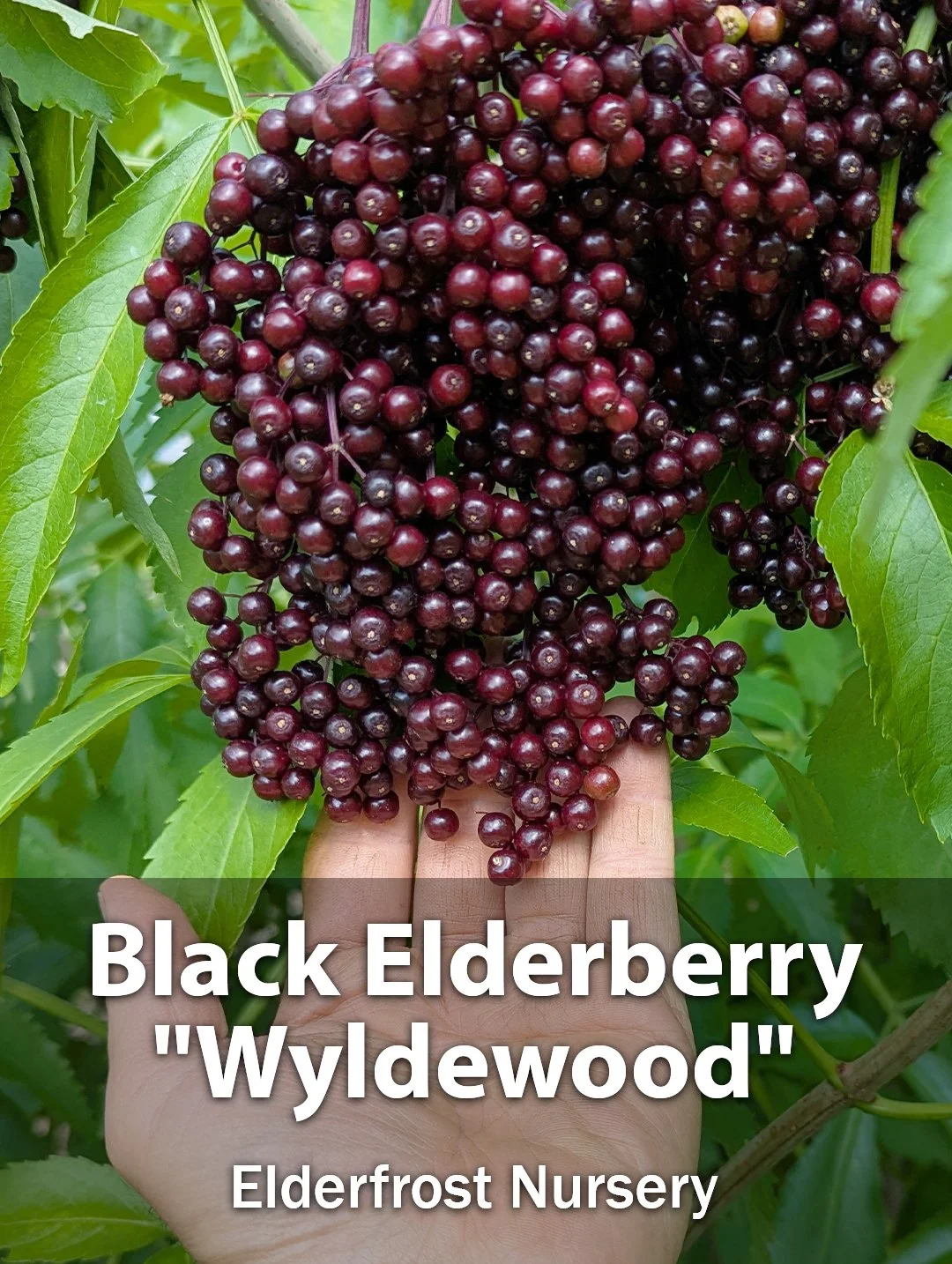 Image 1 of 8
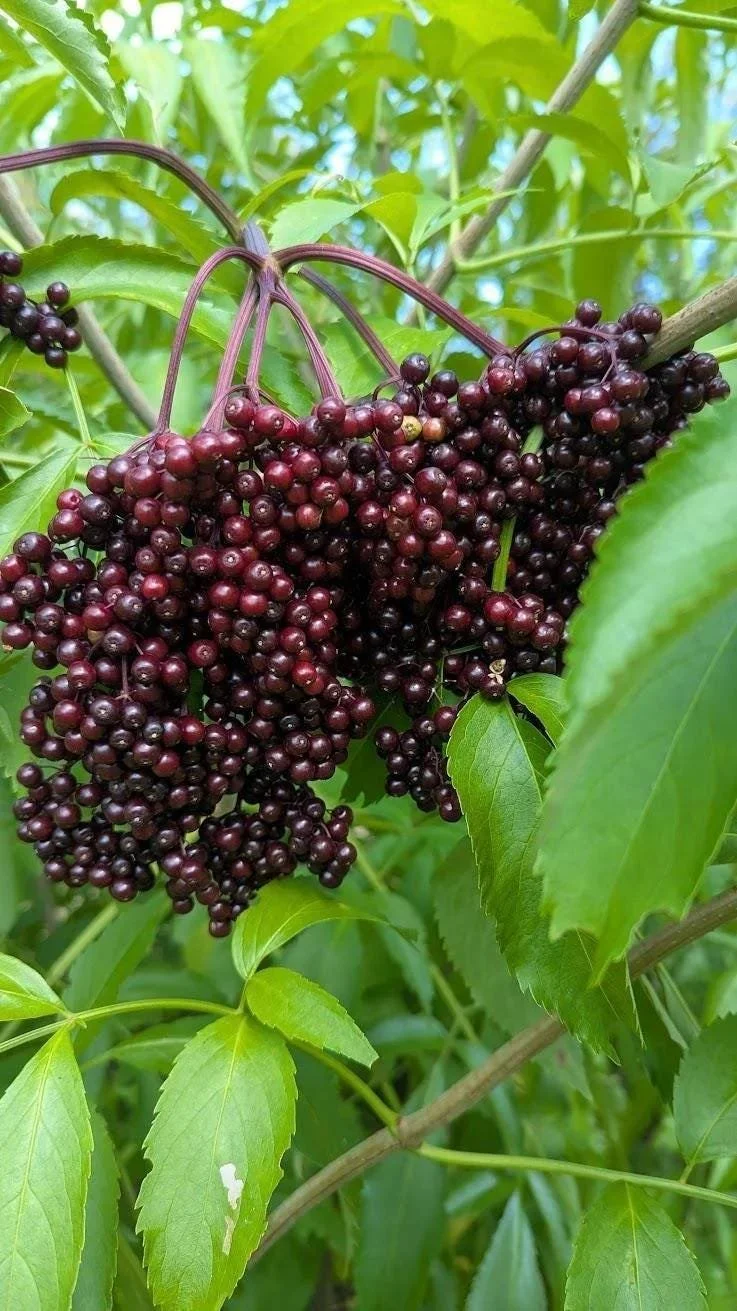 Image 2 of 8
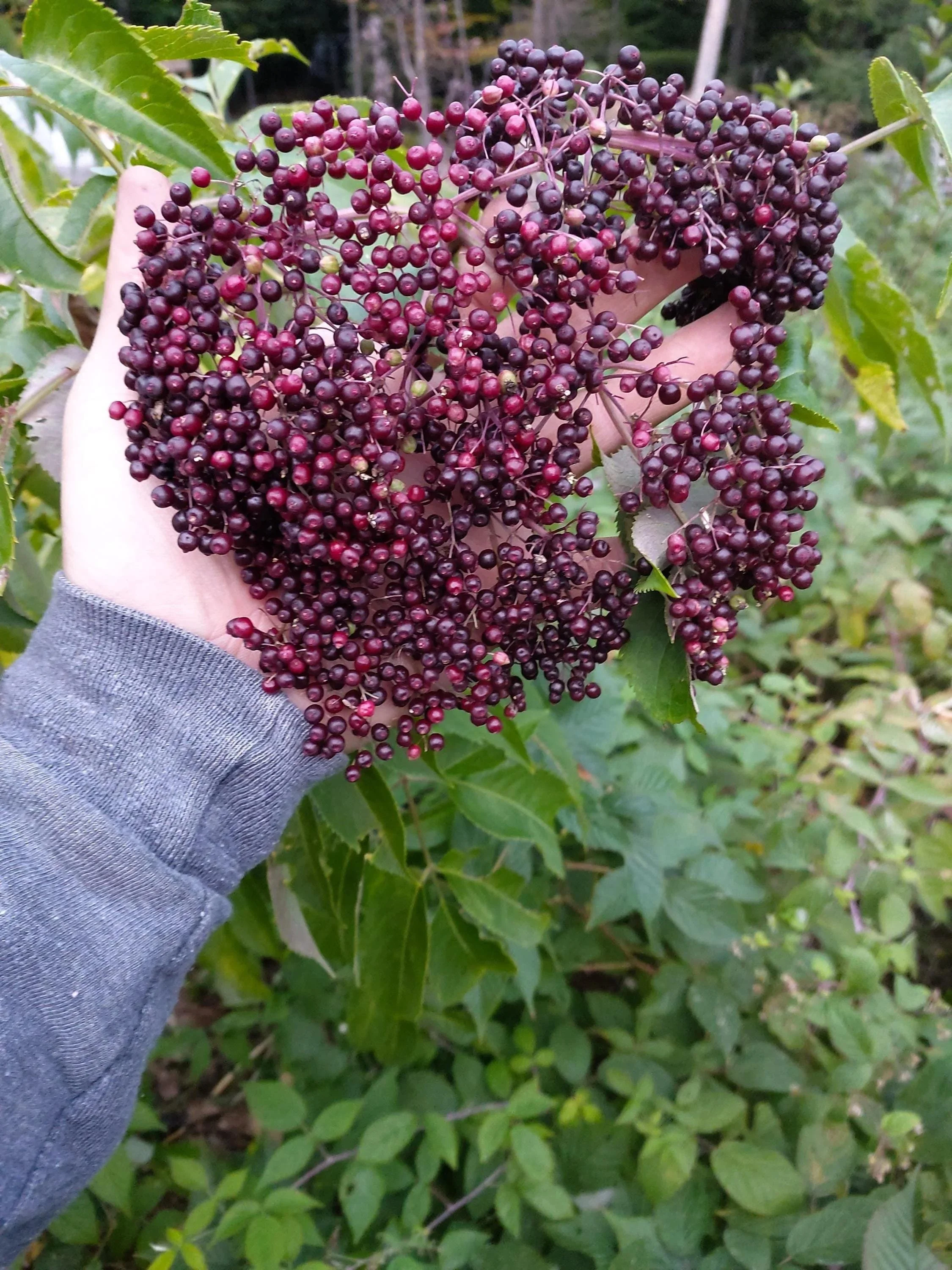 Image 3 of 8
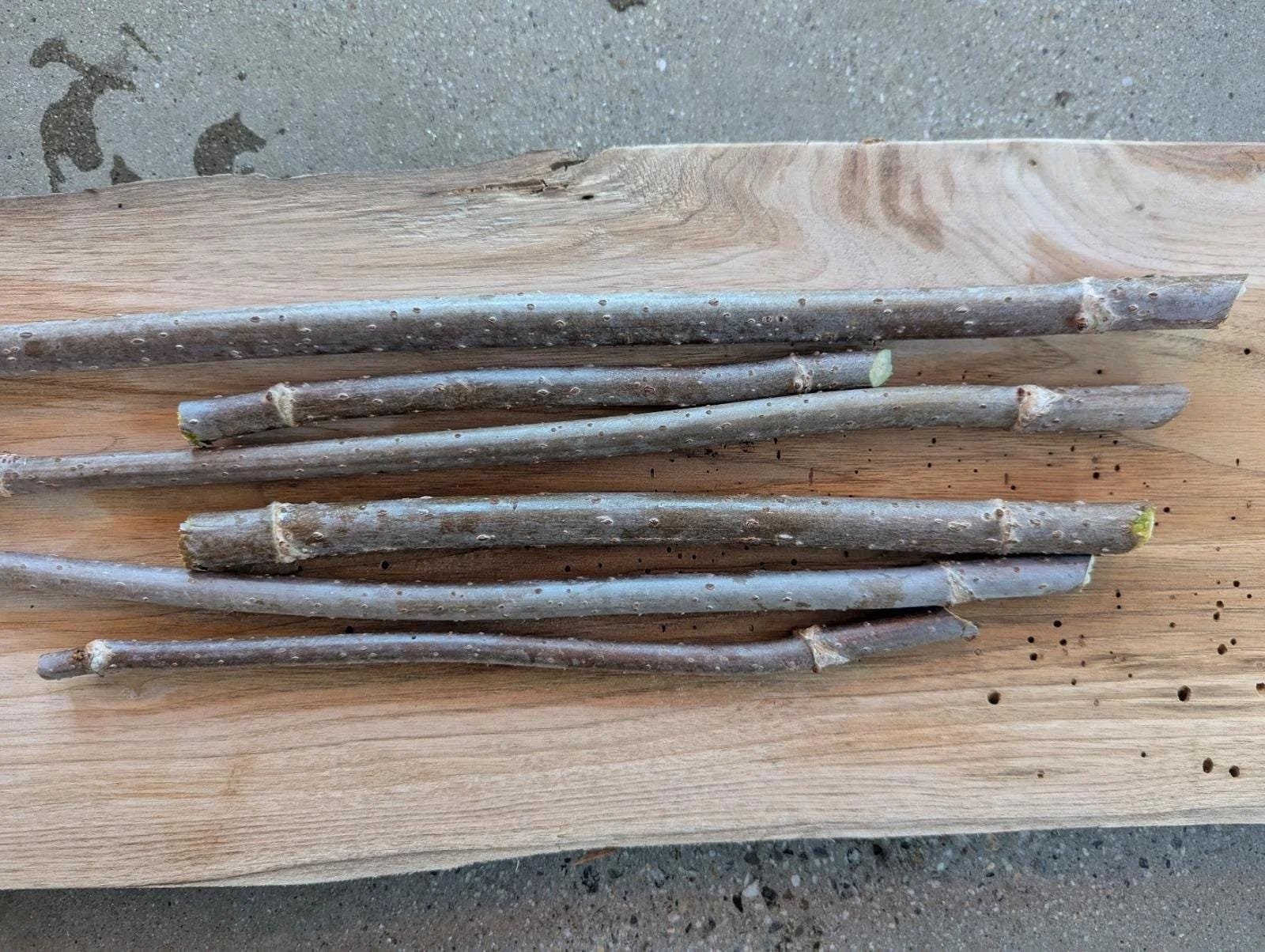 Image 4 of 8
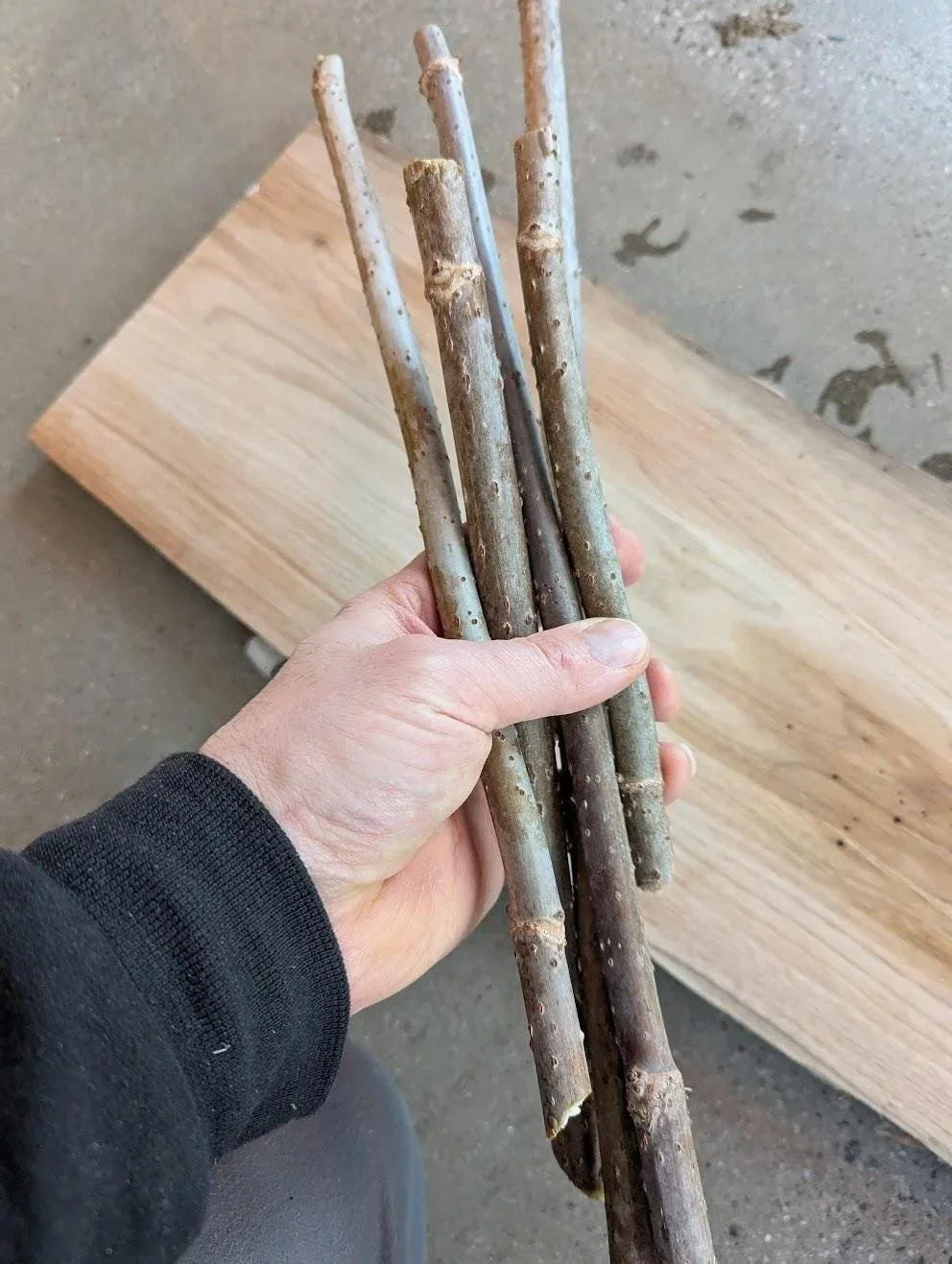 Image 5 of 8
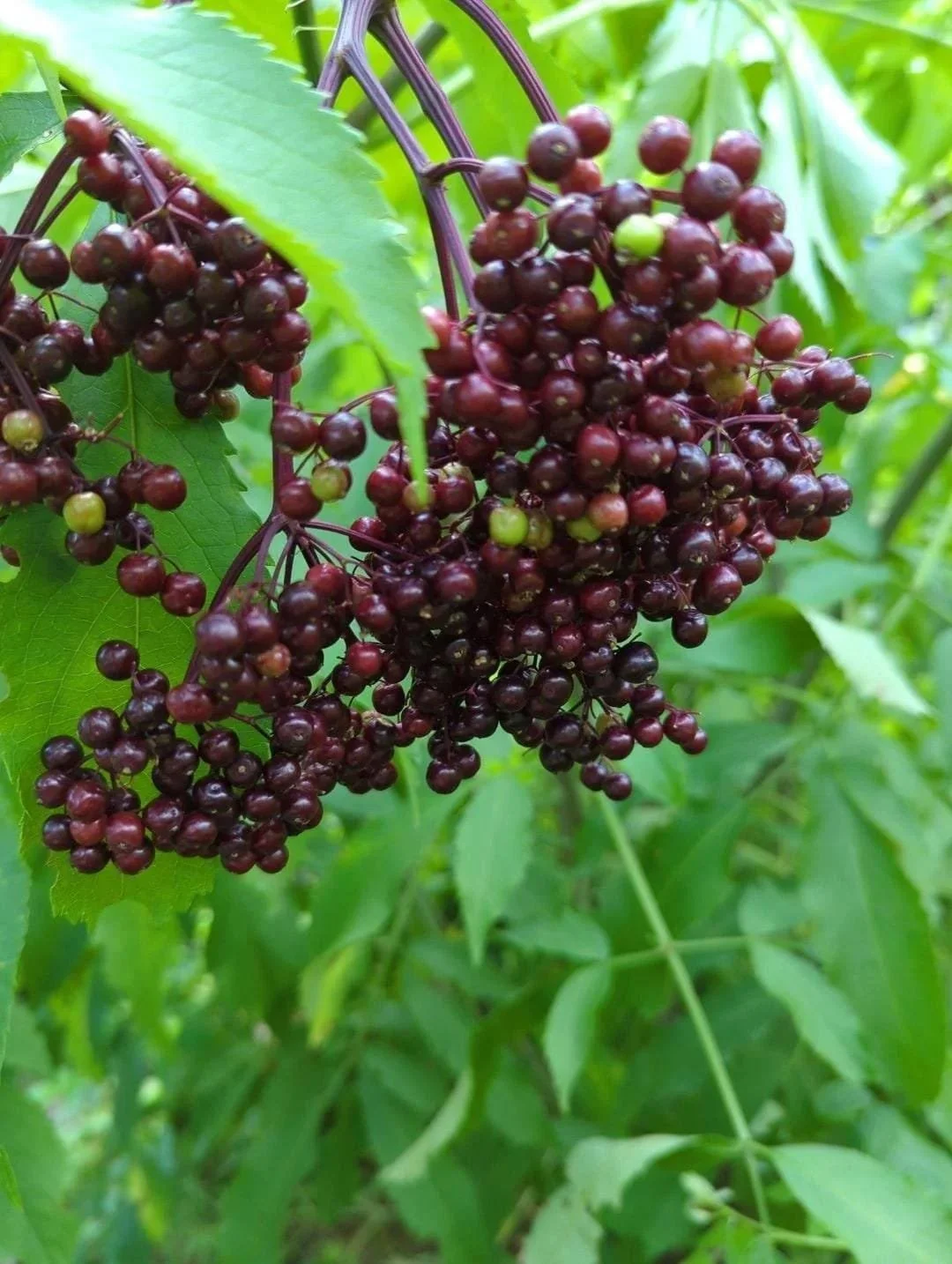 Image 6 of 8
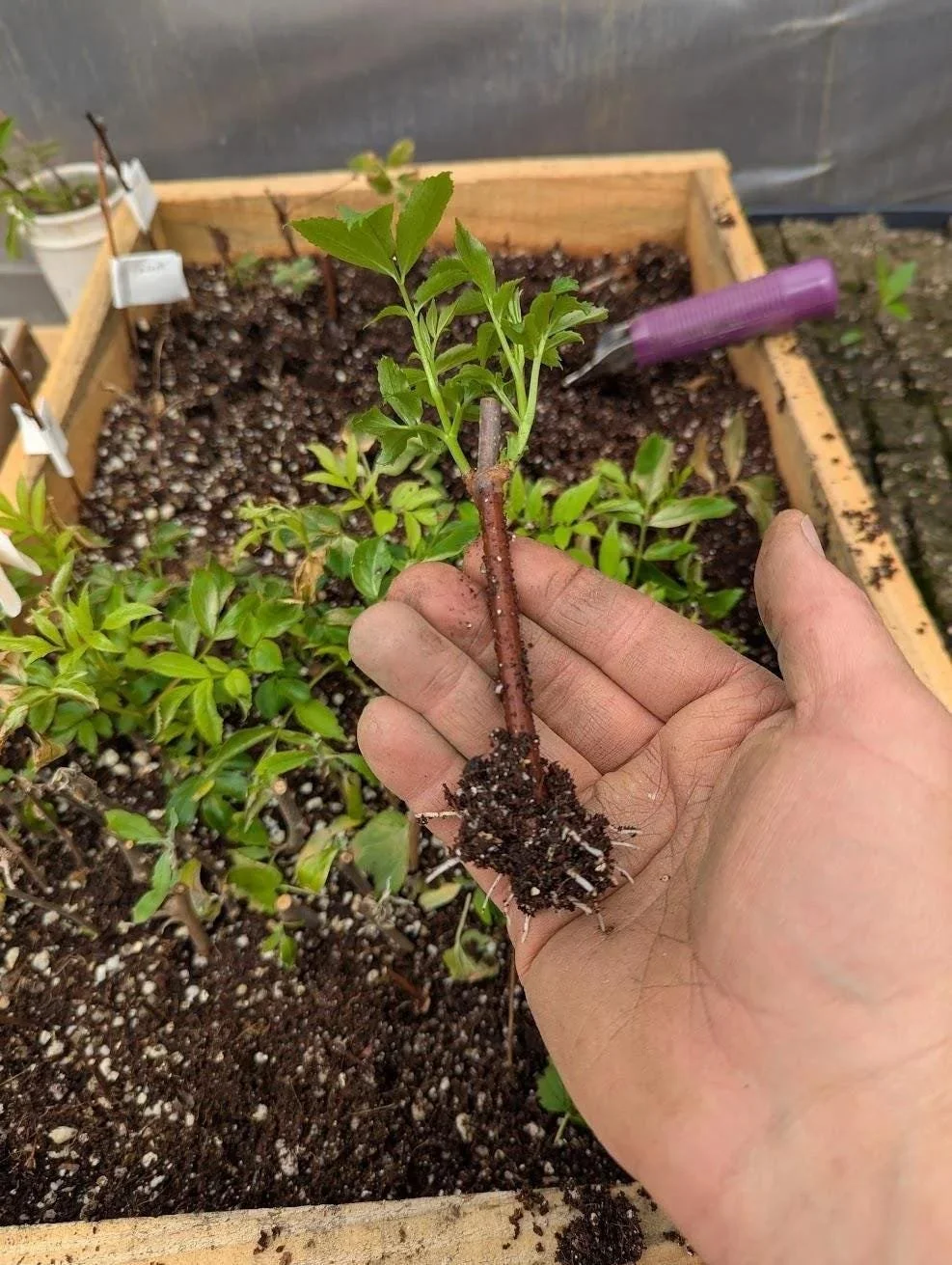 Image 7 of 8
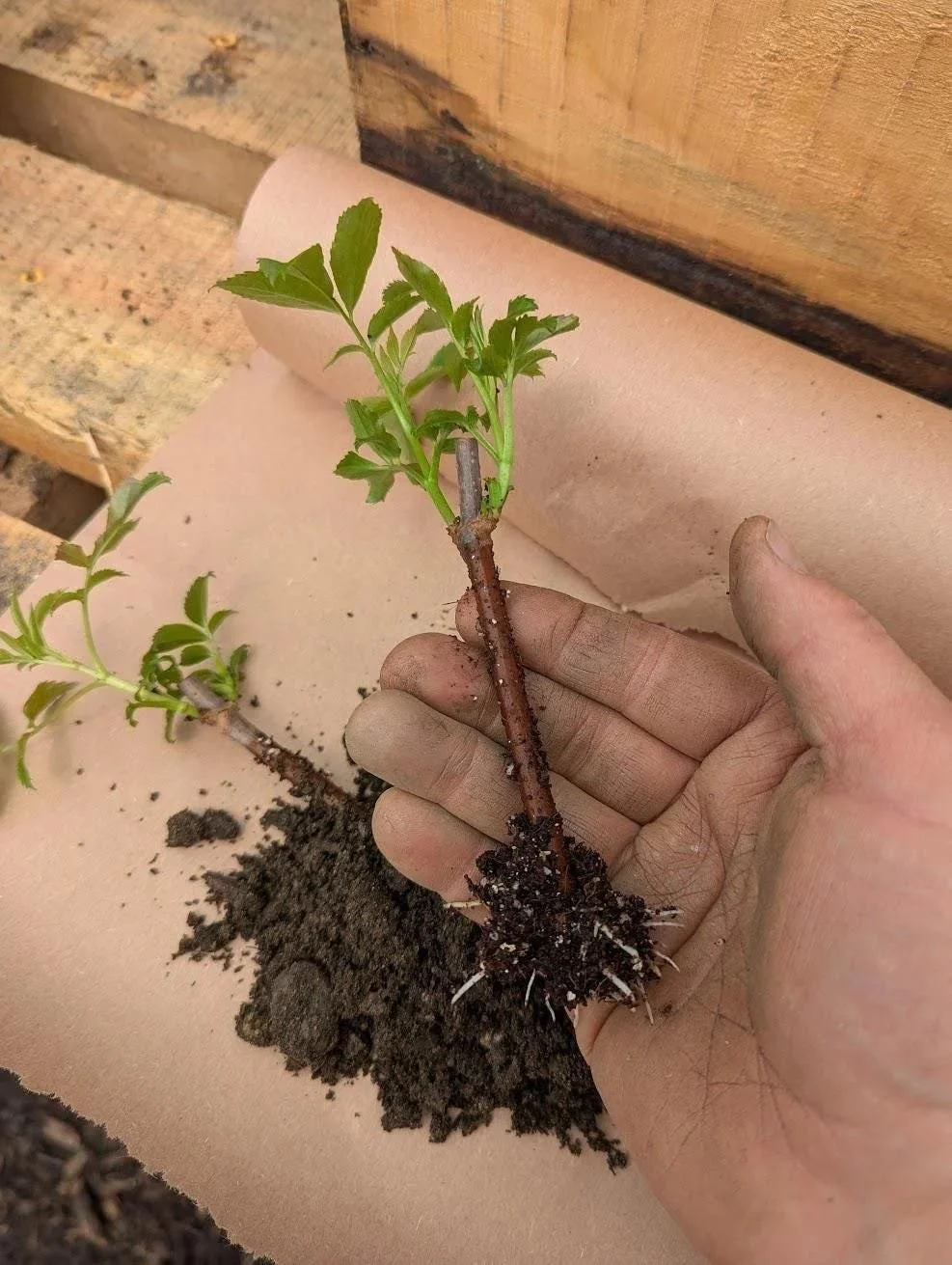 Image 8 of 8