
Planting Guides
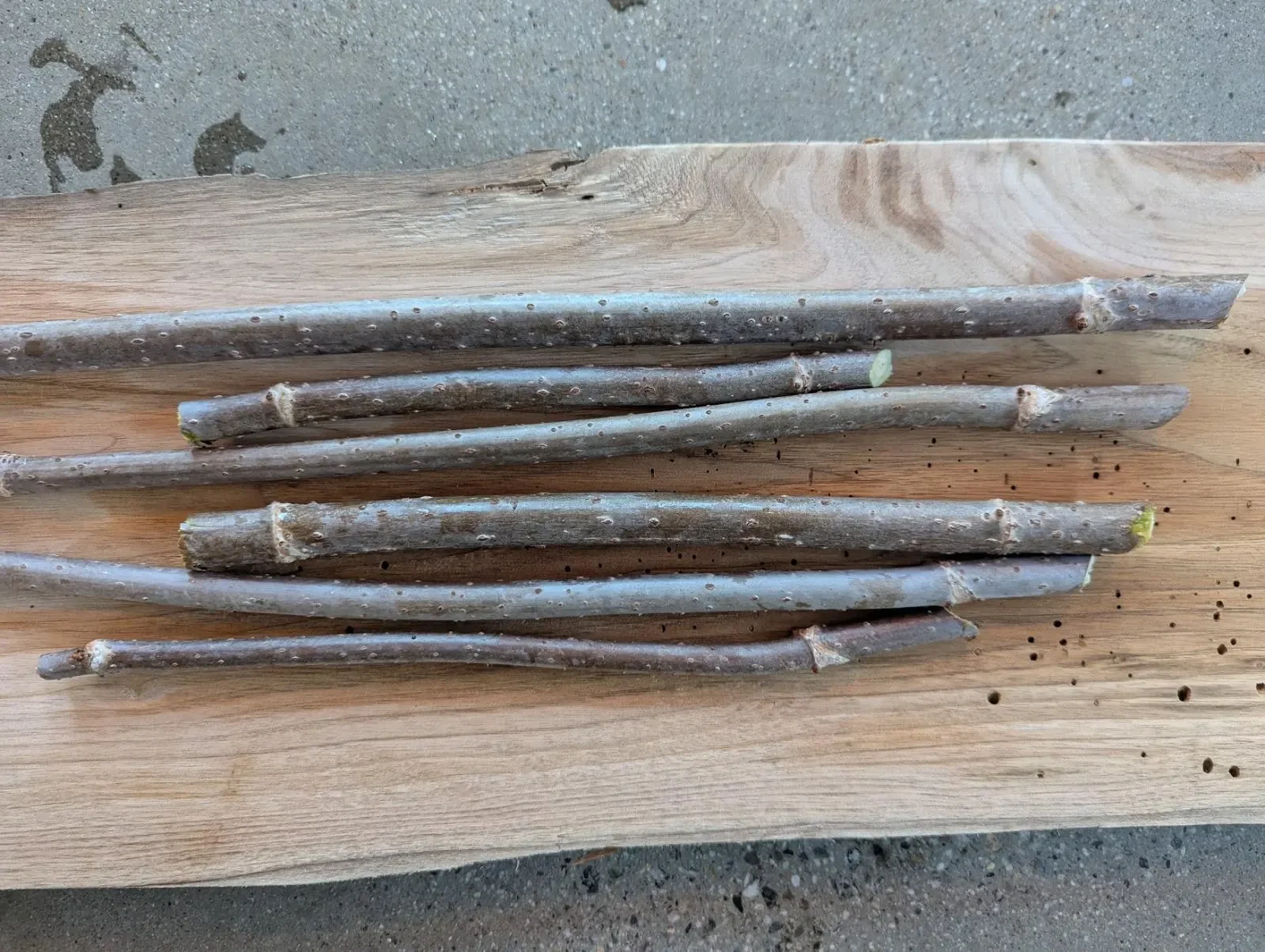
Cuttings: Softwood/Hardwood
Mid-Late Spring Outdoor planting
Timing — Early spring: as soon as ground thaws. Check soil temp ~45–50°F/6–10°C or warmer.
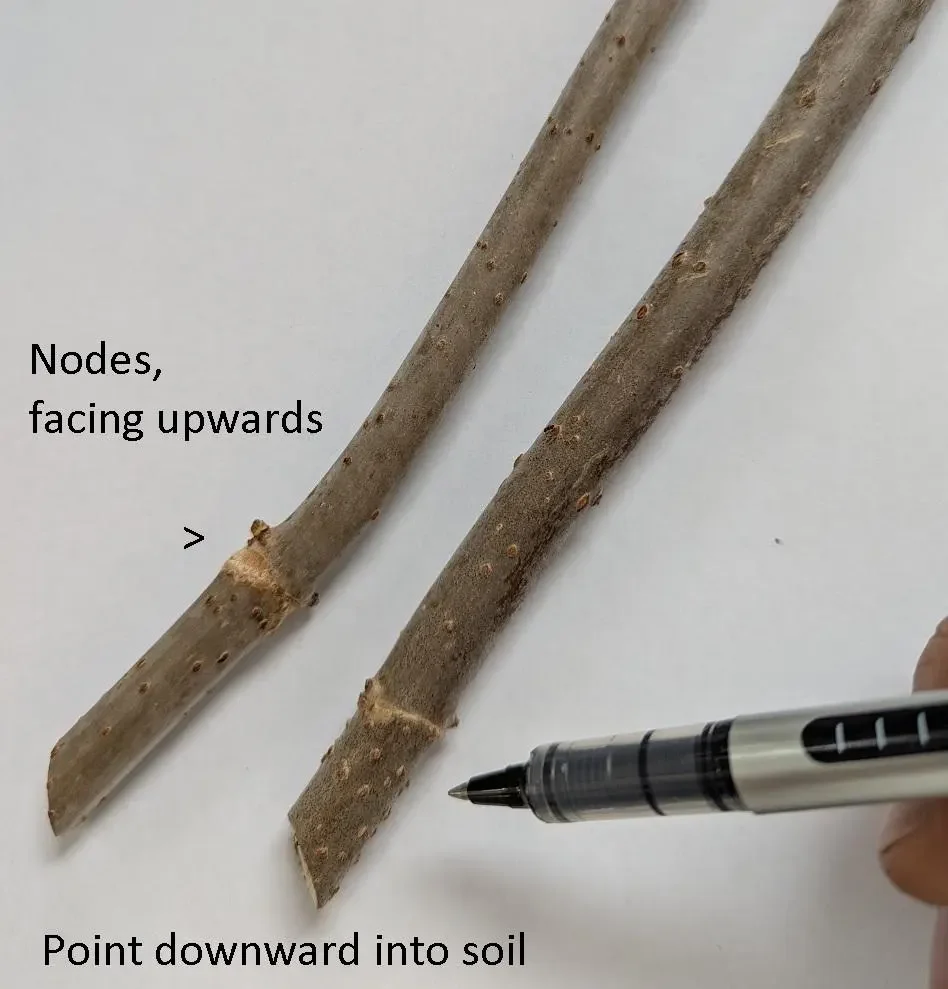
Unpack & Inspect — Unwrap immediately; keep moist/cool if delayed (damp towel, cool spot/refrigerator). Trim damaged ends; refresh basal cut (straight cut below node). Confirm orientation: slanted top = original top (buds up).
Hormone (Optional) — dip base in rooting hormone (IBA powder/gel; optional but boosts success for tougher species). *Note non toxic/safer options exist such as willow water.
Site Prep — Choose well-drained, sunny/partial-shade spot (avoid wet/low areas to prevent rot). Loosen soil; add sand if soil is heavy clay. Dig trench/individual holes/slits.
Plant — Insert 2/3 depth (1-2 buds below soil, 1–2 above); space 4–8 inches apart in rows if growing tightly to move the following year. Firm soil around base to eliminate air pockets. Mulch lightly to retain moisture/suppress weeds.
Environment — Full sun to partial shade; shelter from strong winds. Keep soil consistently moist (not soggy)—water during dry spells. Protect fresh planted cuttings from intense drying-sun for the first few weeks while they begin to set roots.
Aftercare — Minimal: water if dry; watch for buds/growth (roots form slowly, often 2–6 months). Check monthly for weed/competition to ensure good sun access. Leave in place until fall/next spring for transplant during dormancy.
Rooted Cuttings & Small Plants
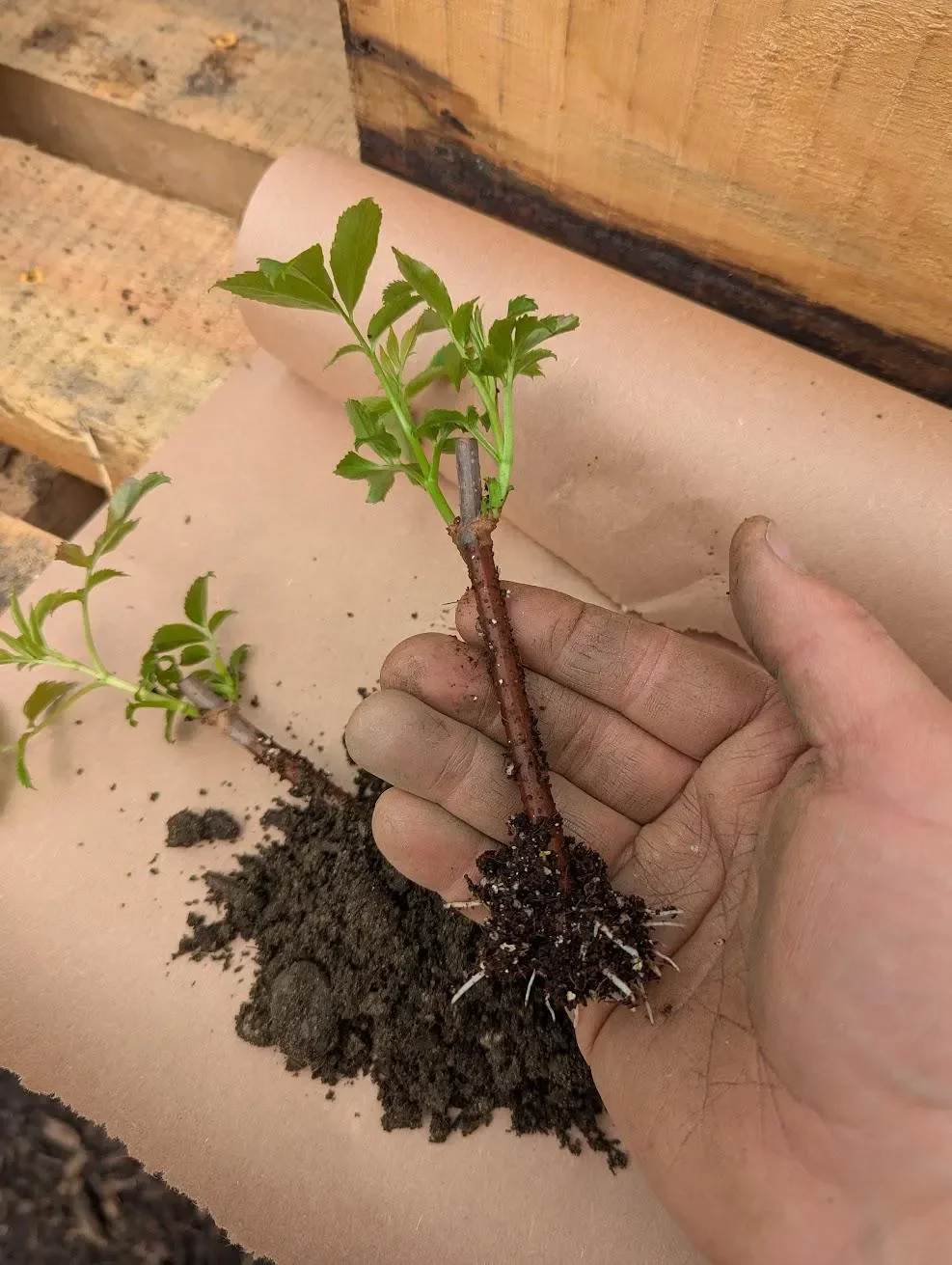
Outdoor Planting
Timing — Any time during the growing season, Avoid cold-temperature shocks
Unpack & Inspect — Unwrap immediately; keep moist/cool if delayed planting. Make sure roots have moisture but are not soaking wet.
Site Prep — Choose well-drained, sunny/partial-shade spot. Loosen soil; add sand if soil is heavy clay. A small amount of compost can help feed the young plant. It is ideal to plant in its final location if possible.
Plant — For Elderberries and Currants you can plant deeper then the existing roots. Firm soil around base to eliminate air pockets. Mulch lightly to retain moisture/suppress weeds.
Environment — Full sun to partial shade; shelter from strong winds. Keep soil consistently moist (not soggy)—water during dry spells the first year. Protect fresh plants from intense drying-sun for the first few weeks while they begin to set new roots.
Aftercare — Minimal: water if dry; Check monthly for weed/competition to ensure good sun access.
The Echo Project →
Bare Root & Larger Plants
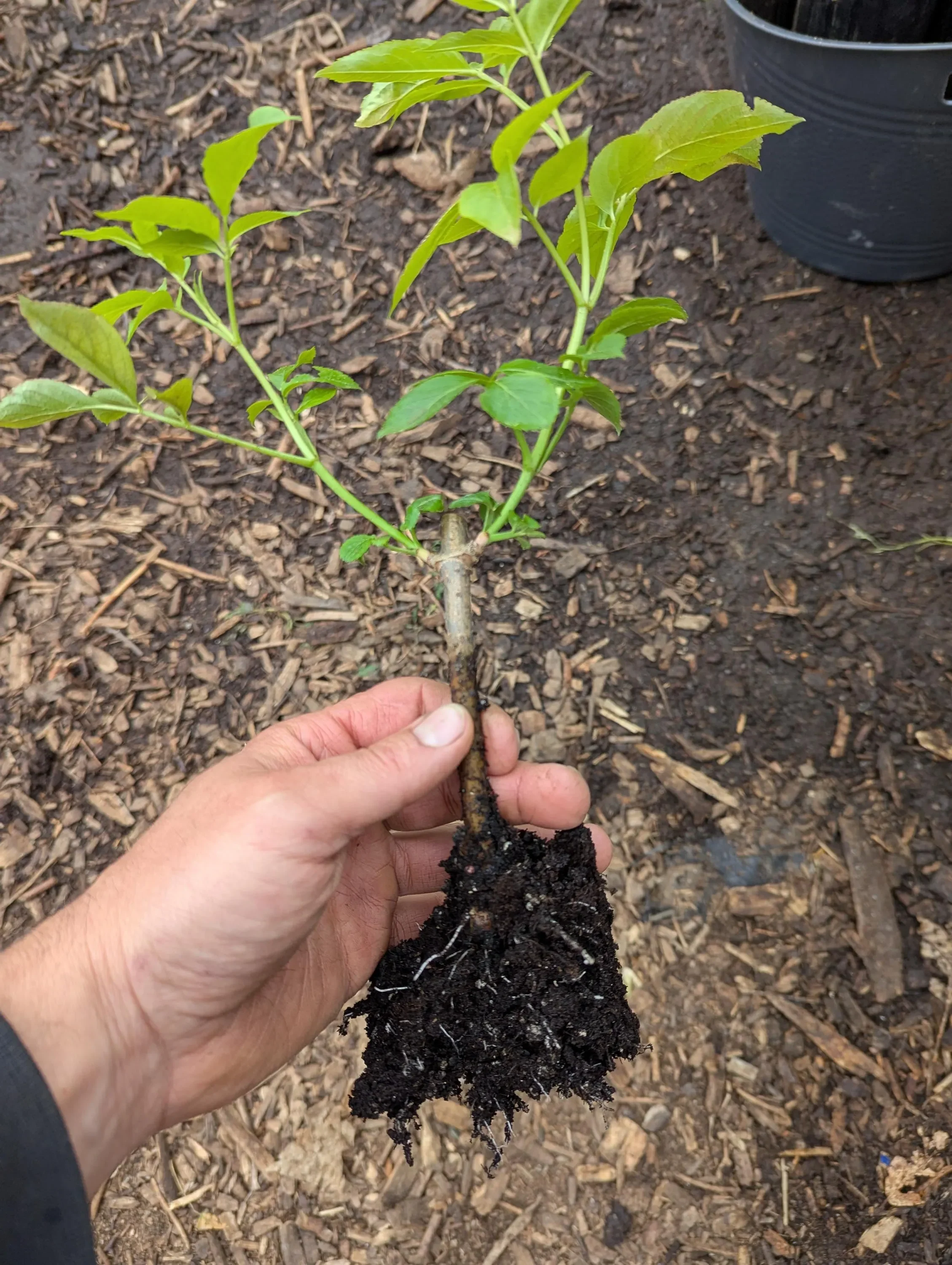
Outdoor Planting
Timing — Typically Fall and Early spring during plant dormancy
Unpack & Inspect — keep moist/cool if delayed planting. Make sure roots have moisture but are not soaking wet. Keep roots covered and the plant away from direct light. A cool but not freezing location is ideal.
Site Prep — Choose well-drained, sunny/partial-shade spot. Loosen soil; add sand if soil is heavy clay. A small amount of compost can help feed the young plant. It is ideal to plant in its final location if possible.
Plant — For Elderberries and Currants you can plant deeper then the existing roots. Firm soil around base to eliminate air pockets. Mulch lightly to retain moisture/suppress weeds.
Environment — Full sun to partial shade; shelter from strong winds. Keep soil consistently moist (not soggy)—water during dry spells the first year. Protect plants from intense drying-sun for the first few weeks while they begin to set new roots.
Aftercare — Minimal: water if dry; Check monthly for weed/competition to ensure good sun access. After a year of establishment the plants should be growing strong for you!
RecommendedGet In Touch
If you're interested in working with us, complete the form with a few details about your project. We'll review your message and get back to you within 48 hours.