[Fall Nursery Update]
The first frost arrived late this year, but our plants are now dormant and ready to ship bare root! They’re strong, healthy, and ready for planting.
We can’t wait for the growing season to begin!
Detailed planting instructions with your order!
Willoughby is a older variety, With that classic currant flavor. It is a incredibly hardy and durable plant that self pollinates. Willoughby is vigorous and reliable making it my first recommendation to get currants established in your landscape. My favorite use is to add Willoughby black currants into foods with other typically sweeter berries such as blueberries, strawberries and raspberries. While not a typically mentioned aspect of Willoughby I find that it holds onto the berries longer then other varieties. As a homesteader this harvest flexibility is well appreciated. It seems Willoughby will hang onto near to fully ripe berries for 7-14 days before dropping. With my red currant varieties the fruit typically drops with in 2-3 days.
I find that Willoughby responds very well to strong pruning. It fruits on second year growth. In year one you will get long whips, up to 48″ long. Typically lighter in color then the second year wood. In the second year those whips will send out new branches and continue growing but will also produce the berry clusters. Regular annual pruning to encourage as much growth of first and second year stems, while removing the third year stems will help you stay in full productivity.
Black currant (Ribes nigrum) is a deciduous shrub belonging to the Grossulariaceae family, known for its small, glossy, dark purple to black berries. The plant thrives in temperate climates, requiring well-drained, fertile soils and full sunlight to partial shade.
To protect local forests, some states prohibit the entry of Currants and Gooseberries. These environmental regulations are in place to prevent the spread of forest-killing fungi to native trees. To remain compliant, we must cancel and refund orders heading to restricted states. Thank you for helping us keep our ecosystems healthy!
We offer two grades of cuttings for our currants and Live plants
Bare Root Plants
These are fully 1 year old, established plants. Shipping bare root for fall/winter transplanting
Grade A Cuttings
These are thicker stems with two or three nodes, typically taken from the lower and middle sections of first-year wood. Their primary advantage is that they are easier to push into the ground without tools. Additionally, they tend to be larger, making them easier to handle and more visible in the landscape after planting.
Bulk Cuttings
These cuttings are taken from the upper portions of the branches. They are typically slightly smaller, with shorter distances between nodes. This is the exclusive stock we use in our nursery with great success. Bulk cuttings are well suited for starting in trays or well-managed outdoor plots due to their smaller size.
Rooted Cuttings:
First year rooted cuttings taken from dormant wood in winter and rooted during the early spring. These are the best value for purchasing a live a plant as they are still small and ship affordably. But will require a bit of care and attention until they take hold in your new location.
1 Year old Plants
These are plants that lived a entire growing season and have well established root systems, Comparable to what you would find at a local nursery. They will be pruned to fit into shipping boxes and reduce transport and transplant stress. You could expect moderate harvests in the following year. Full sized plants producing pounds of berries in 2 years.
[Fall Nursery Update]
The first frost arrived late this year, but our plants are now dormant and ready to ship bare root! They’re strong, healthy, and ready for planting.
We can’t wait for the growing season to begin!
Detailed planting instructions with your order!
Willoughby is a older variety, With that classic currant flavor. It is a incredibly hardy and durable plant that self pollinates. Willoughby is vigorous and reliable making it my first recommendation to get currants established in your landscape. My favorite use is to add Willoughby black currants into foods with other typically sweeter berries such as blueberries, strawberries and raspberries. While not a typically mentioned aspect of Willoughby I find that it holds onto the berries longer then other varieties. As a homesteader this harvest flexibility is well appreciated. It seems Willoughby will hang onto near to fully ripe berries for 7-14 days before dropping. With my red currant varieties the fruit typically drops with in 2-3 days.
I find that Willoughby responds very well to strong pruning. It fruits on second year growth. In year one you will get long whips, up to 48″ long. Typically lighter in color then the second year wood. In the second year those whips will send out new branches and continue growing but will also produce the berry clusters. Regular annual pruning to encourage as much growth of first and second year stems, while removing the third year stems will help you stay in full productivity.
Black currant (Ribes nigrum) is a deciduous shrub belonging to the Grossulariaceae family, known for its small, glossy, dark purple to black berries. The plant thrives in temperate climates, requiring well-drained, fertile soils and full sunlight to partial shade.
To protect local forests, some states prohibit the entry of Currants and Gooseberries. These environmental regulations are in place to prevent the spread of forest-killing fungi to native trees. To remain compliant, we must cancel and refund orders heading to restricted states. Thank you for helping us keep our ecosystems healthy!
We offer two grades of cuttings for our currants and Live plants
Bare Root Plants
These are fully 1 year old, established plants. Shipping bare root for fall/winter transplanting
Grade A Cuttings
These are thicker stems with two or three nodes, typically taken from the lower and middle sections of first-year wood. Their primary advantage is that they are easier to push into the ground without tools. Additionally, they tend to be larger, making them easier to handle and more visible in the landscape after planting.
Bulk Cuttings
These cuttings are taken from the upper portions of the branches. They are typically slightly smaller, with shorter distances between nodes. This is the exclusive stock we use in our nursery with great success. Bulk cuttings are well suited for starting in trays or well-managed outdoor plots due to their smaller size.
Rooted Cuttings:
First year rooted cuttings taken from dormant wood in winter and rooted during the early spring. These are the best value for purchasing a live a plant as they are still small and ship affordably. But will require a bit of care and attention until they take hold in your new location.
1 Year old Plants
These are plants that lived a entire growing season and have well established root systems, Comparable to what you would find at a local nursery. They will be pruned to fit into shipping boxes and reduce transport and transplant stress. You could expect moderate harvests in the following year. Full sized plants producing pounds of berries in 2 years.

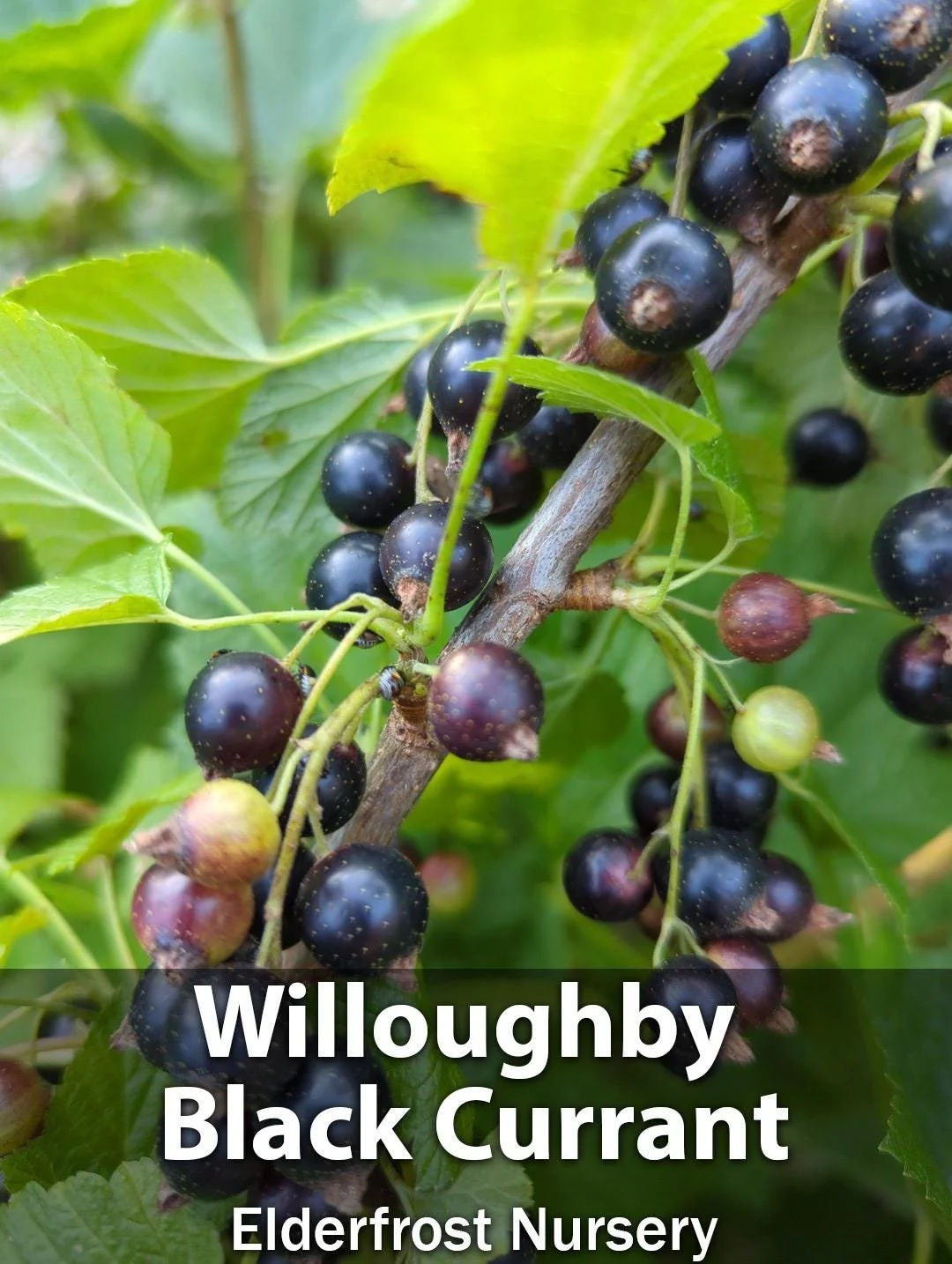 Image 1 of 10
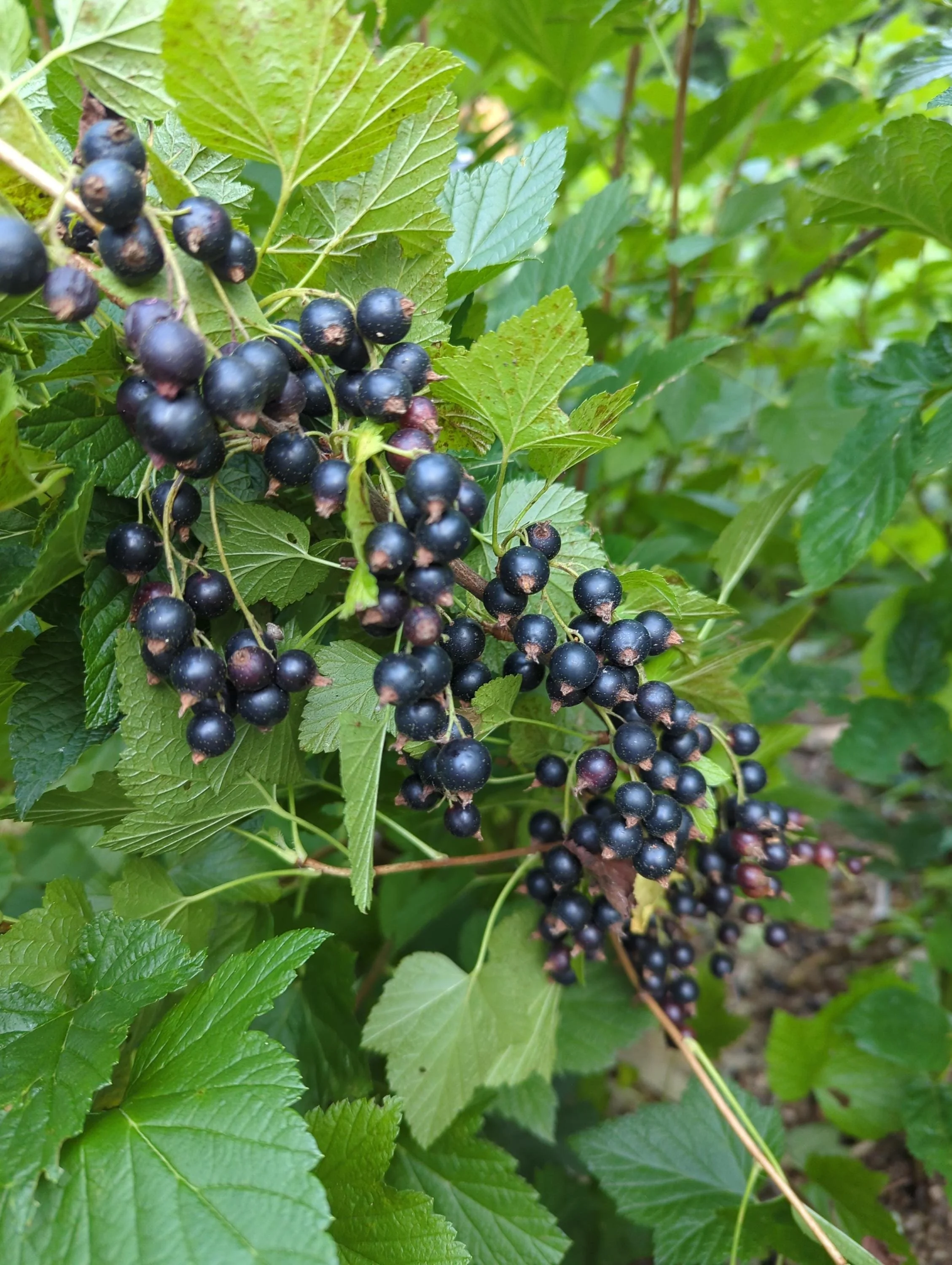 Image 2 of 10
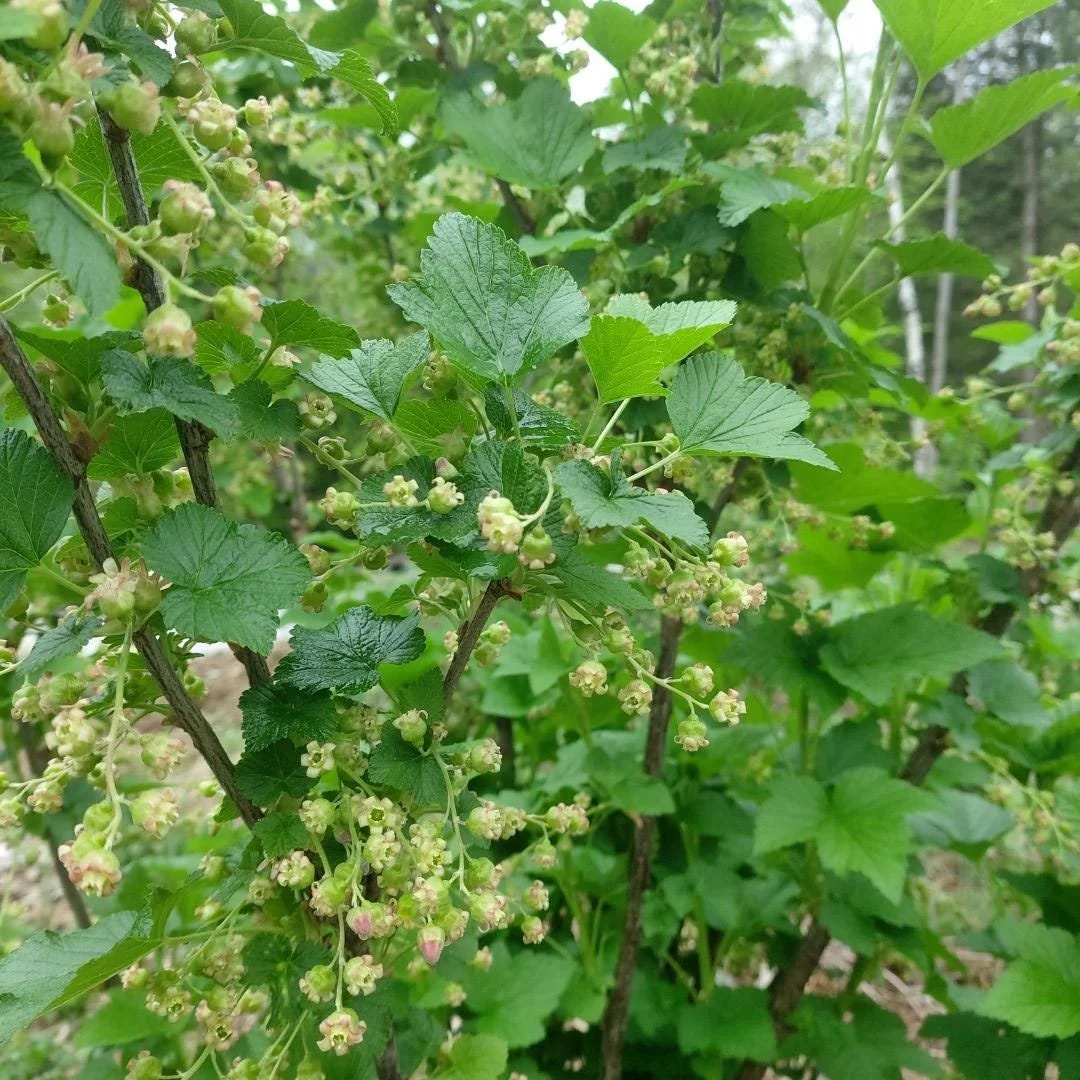 Image 3 of 10
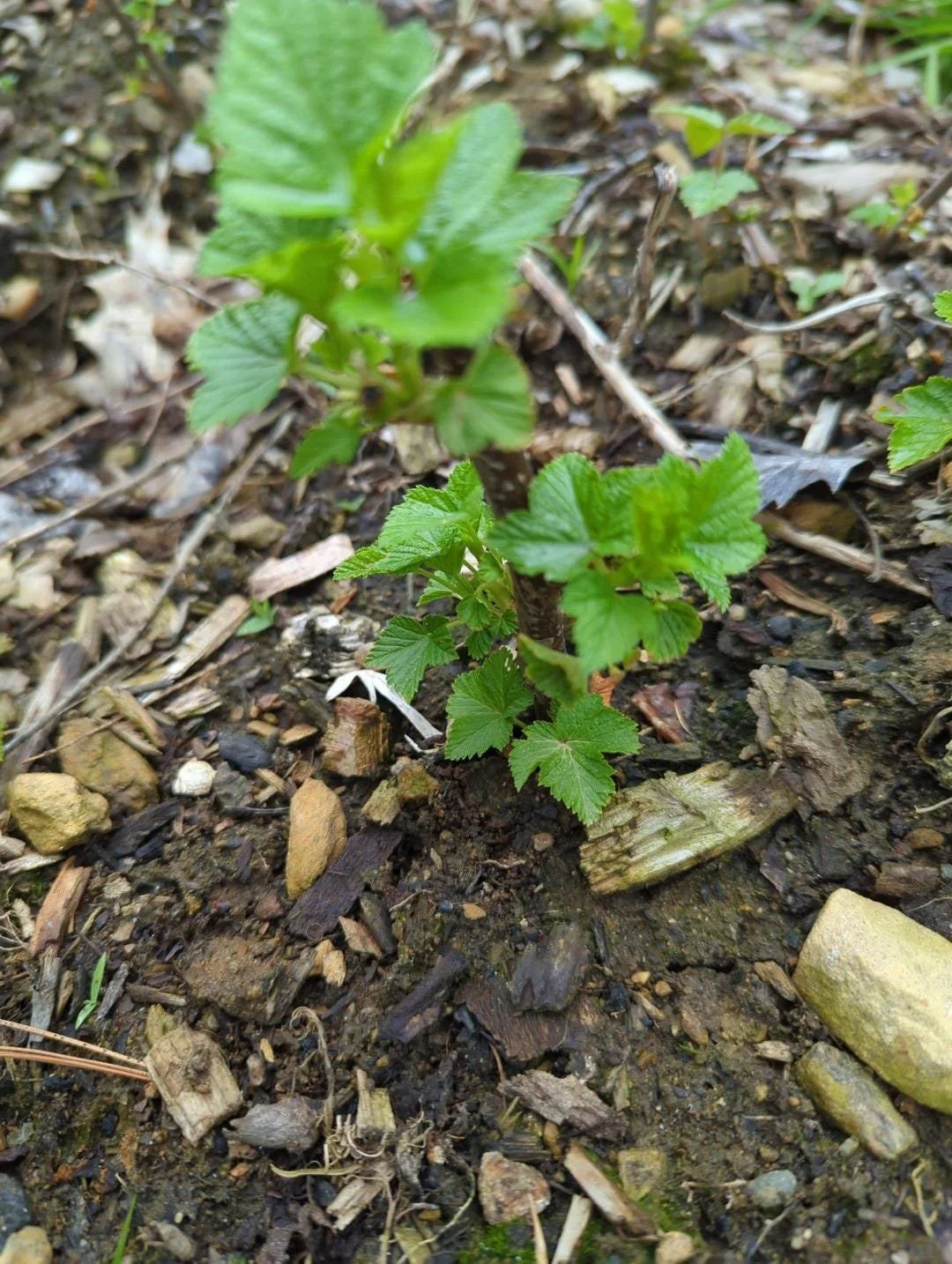 Image 4 of 10
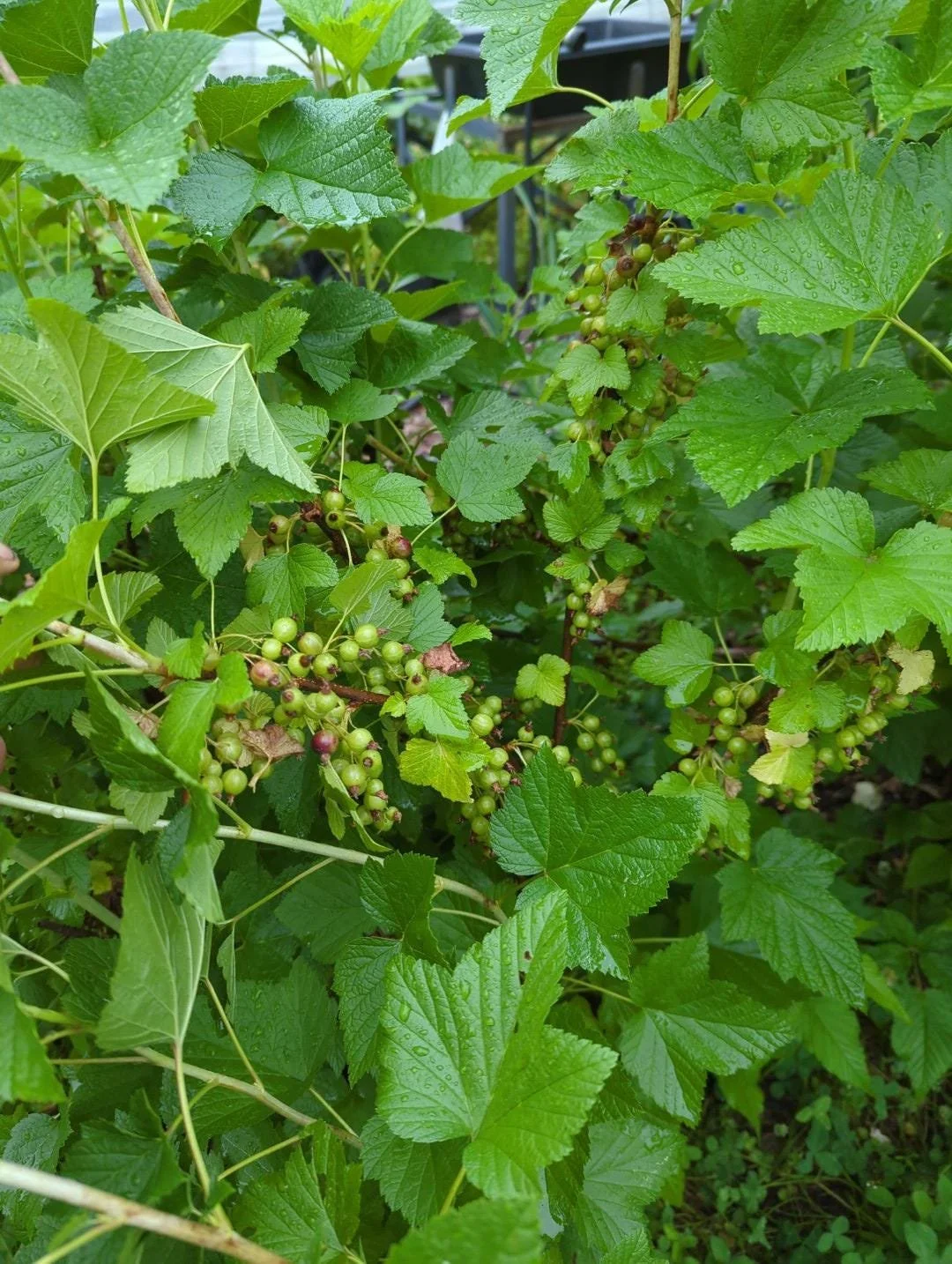 Image 5 of 10
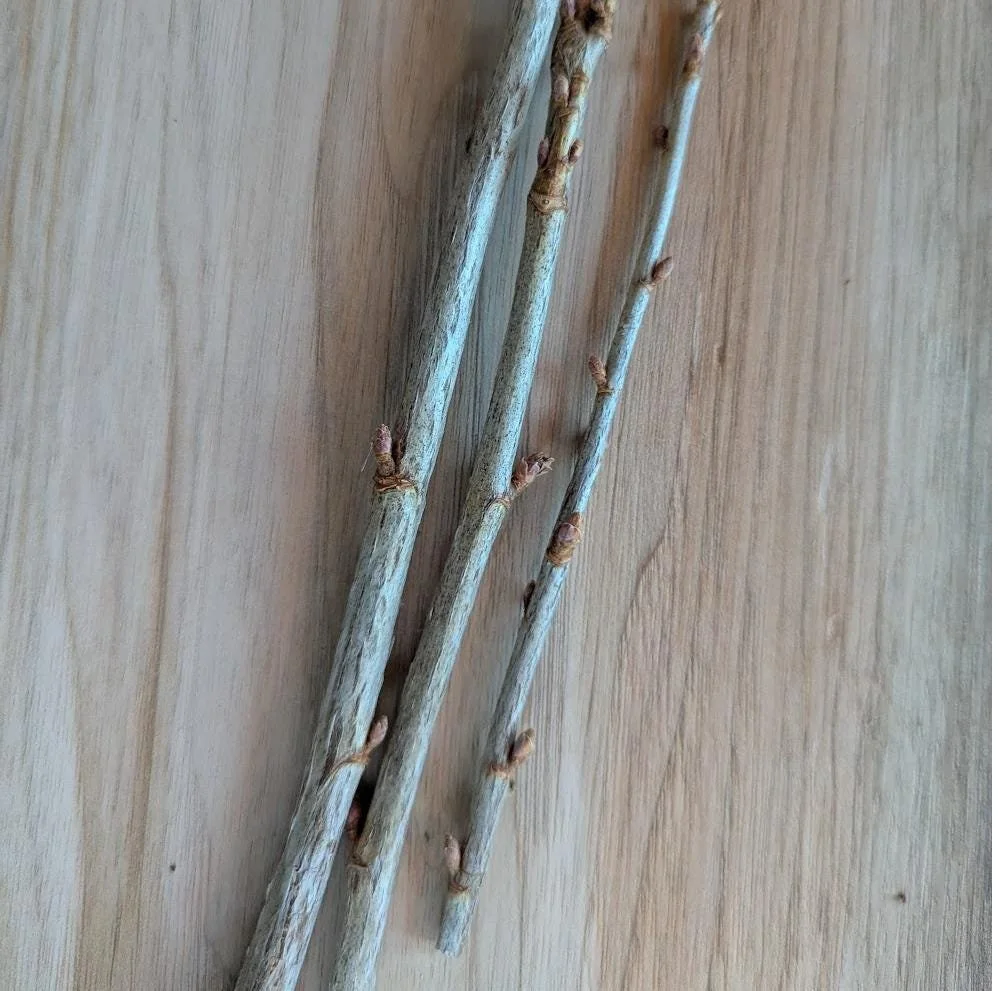 Image 6 of 10
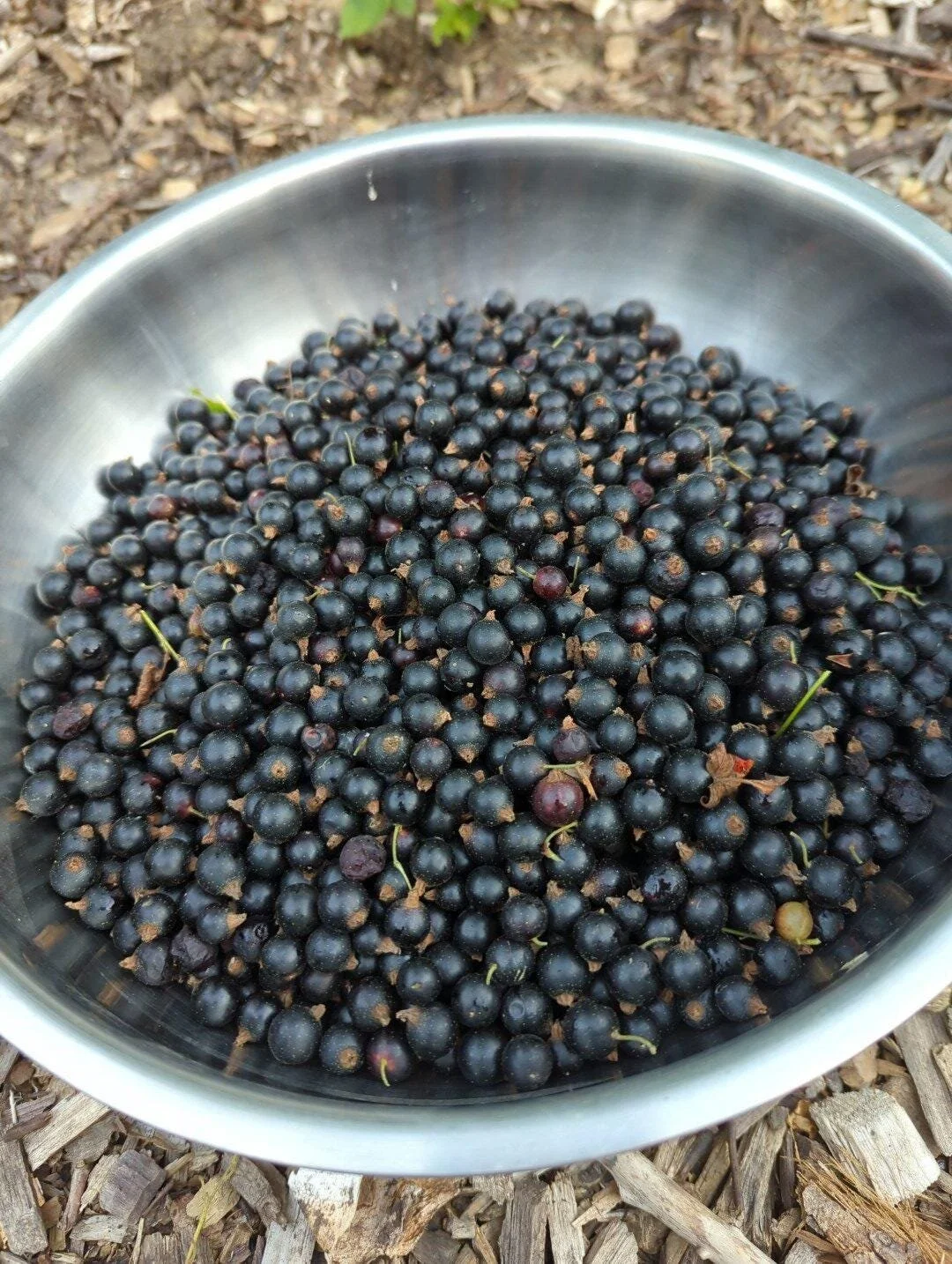 Image 7 of 10
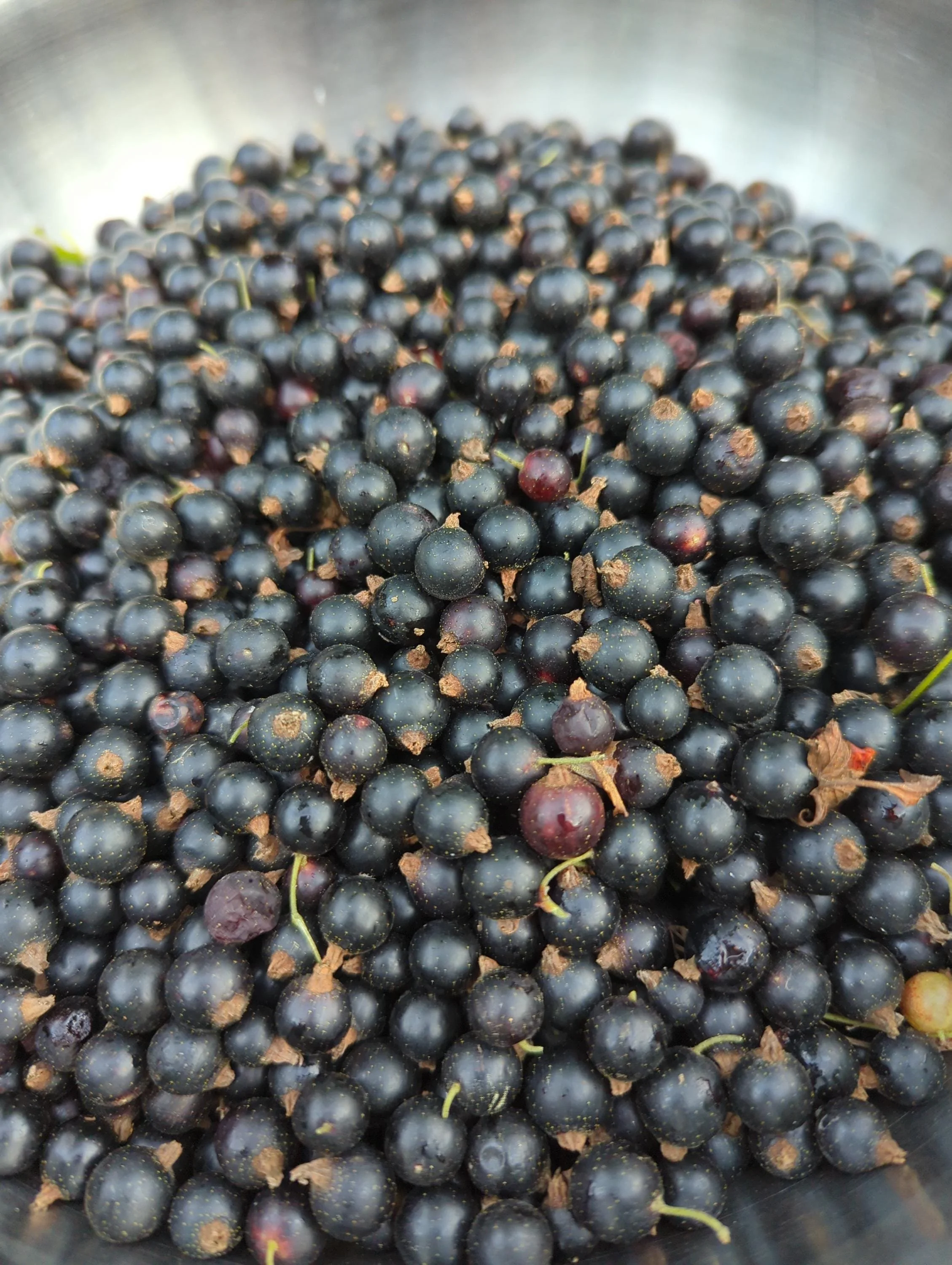 Image 8 of 10
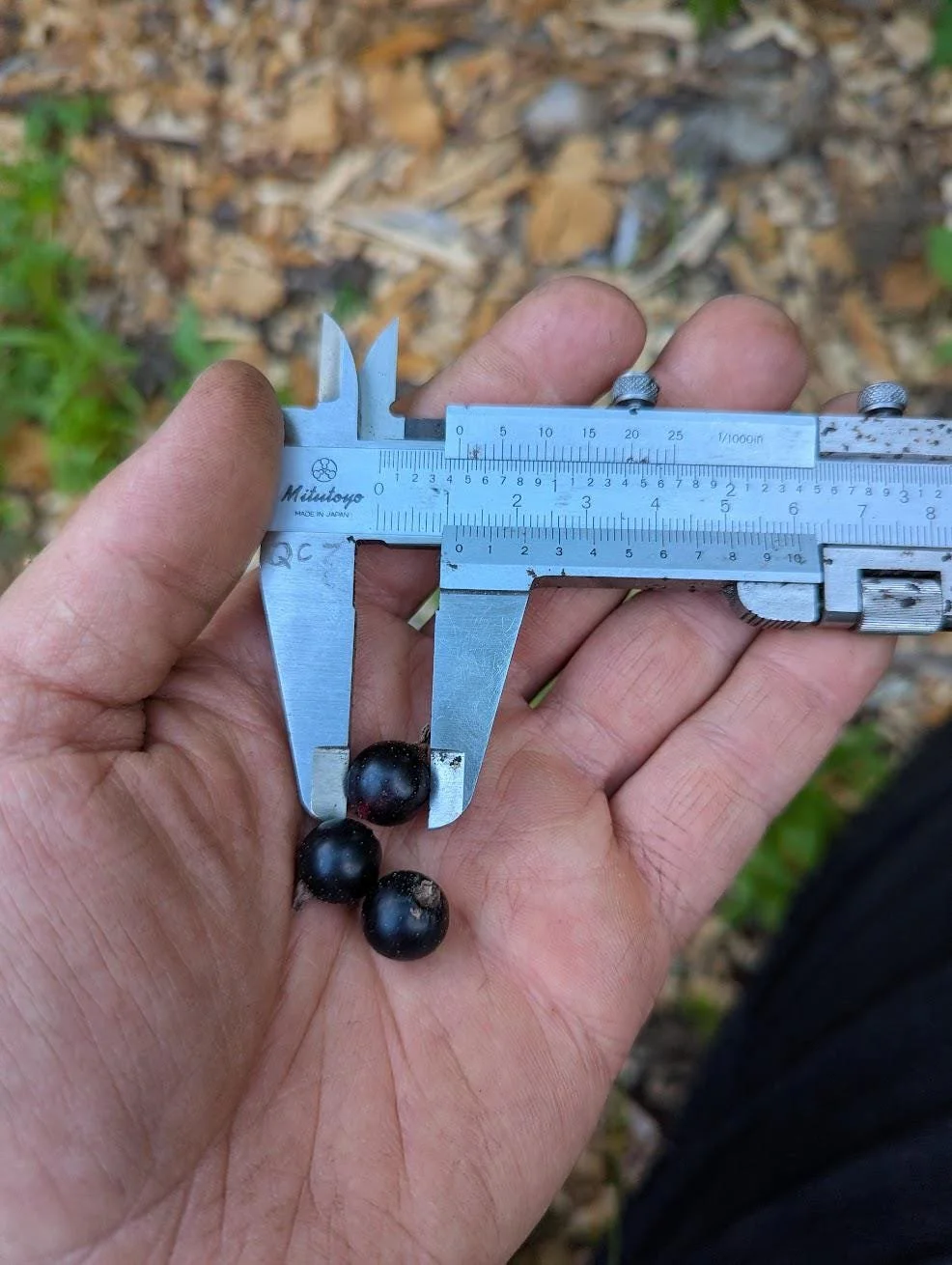 Image 9 of 10
 Image 10 of 10