Scotia Elderberry Live Plant Cuttings: Cold Hardy, High Yield
[Late Winter/Early Spring 2026 Nursery Update!]
We are still in the thick of winter here, with 1–2 feet of snow on the ground and single digit nighttime temperatures. While we aim to maintain a fast shipping schedule, our top priority is protecting your plants. We will harvest, process, and ship orders only during windows of mild weather to ensure your cuttings and plants arrive safely. (We cannot wait for temps to go above freezing!)
We can’t wait for the growing season to begin!
Scotia Elderberry:
Scotia elderberry (Sambucus canadensis ‘Scotia’) is a popular cultivar renowned for its cold hardiness, vigorous growth, and impressive fruit production. Originating in Nova Scotia, this variety was bred for superior adaptability and high yields, making it a favorite among growers in northern climates.
Scotia is one of my favorite elderberry cultivars. The berries are small but sweeter than most. It’s a stunning plant with incredible growth potential, capable of growing over 10 feet in a single season. It responds exceptionally well to heavy pruning and coppicing. I use a 2-year rotation: in the first year, I prune it flush to the ground. The following late winter, I coppice it to about 4 feet above the ground. This encourages an explosion of new growth with abundant flowers and berries. In the next late winter, I cut it back to the ground again.
Size: Typically grows 8–12 feet tall and wide, depending on growing conditions
Hardiness Zone: 3–9
Semi-indeterminate (In zone 5 we can get a primary and half-sized secondary fruiting)
Growing Conditions:
Light: Prefers full sun to partial shade
Soil: Tolerates a range of soil types but thrives in moist, well-drained soil with high organic matter
pH: Prefers slightly acidic to neutral soil (pH 5.5–7.0)
Water: Requires consistent moisture, especially during establishment and fruiting
Our Elderberries!
**Grade A Cuttings: Typically pinky- to thumb-thick and 6–14 inches long. These premium cuttings are ideal for reliable propagation. Their larger size allows direct planting into firm ground without tools. The larger size also makes them easy to locate as other plants grow around them later in the season.
**Bulk/Grade B Cuttings: A mix of larger and smaller cuttings, With 1 or 2 nodes. Cost-effective for establishing larger quantities, these are used for our own nursery stock propagation.
**Rooted Cuttings: Cuttings rooted in sterile soil, shipped in 2–3" paper pots/plugs. These grow quickly at this stage.
**First-Year Live Plants: Large, well-established first-year plants, typically in 3–4" deep pots. These plants, usually 1–2 feet tall, develop into large, semi-mature bushes by the next growing season.
[Late Winter/Early Spring 2026 Nursery Update!]
We are still in the thick of winter here, with 1–2 feet of snow on the ground and single digit nighttime temperatures. While we aim to maintain a fast shipping schedule, our top priority is protecting your plants. We will harvest, process, and ship orders only during windows of mild weather to ensure your cuttings and plants arrive safely. (We cannot wait for temps to go above freezing!)
We can’t wait for the growing season to begin!
Scotia Elderberry:
Scotia elderberry (Sambucus canadensis ‘Scotia’) is a popular cultivar renowned for its cold hardiness, vigorous growth, and impressive fruit production. Originating in Nova Scotia, this variety was bred for superior adaptability and high yields, making it a favorite among growers in northern climates.
Scotia is one of my favorite elderberry cultivars. The berries are small but sweeter than most. It’s a stunning plant with incredible growth potential, capable of growing over 10 feet in a single season. It responds exceptionally well to heavy pruning and coppicing. I use a 2-year rotation: in the first year, I prune it flush to the ground. The following late winter, I coppice it to about 4 feet above the ground. This encourages an explosion of new growth with abundant flowers and berries. In the next late winter, I cut it back to the ground again.
Size: Typically grows 8–12 feet tall and wide, depending on growing conditions
Hardiness Zone: 3–9
Semi-indeterminate (In zone 5 we can get a primary and half-sized secondary fruiting)
Growing Conditions:
Light: Prefers full sun to partial shade
Soil: Tolerates a range of soil types but thrives in moist, well-drained soil with high organic matter
pH: Prefers slightly acidic to neutral soil (pH 5.5–7.0)
Water: Requires consistent moisture, especially during establishment and fruiting
Our Elderberries!
**Grade A Cuttings: Typically pinky- to thumb-thick and 6–14 inches long. These premium cuttings are ideal for reliable propagation. Their larger size allows direct planting into firm ground without tools. The larger size also makes them easy to locate as other plants grow around them later in the season.
**Bulk/Grade B Cuttings: A mix of larger and smaller cuttings, With 1 or 2 nodes. Cost-effective for establishing larger quantities, these are used for our own nursery stock propagation.
**Rooted Cuttings: Cuttings rooted in sterile soil, shipped in 2–3" paper pots/plugs. These grow quickly at this stage.
**First-Year Live Plants: Large, well-established first-year plants, typically in 3–4" deep pots. These plants, usually 1–2 feet tall, develop into large, semi-mature bushes by the next growing season.

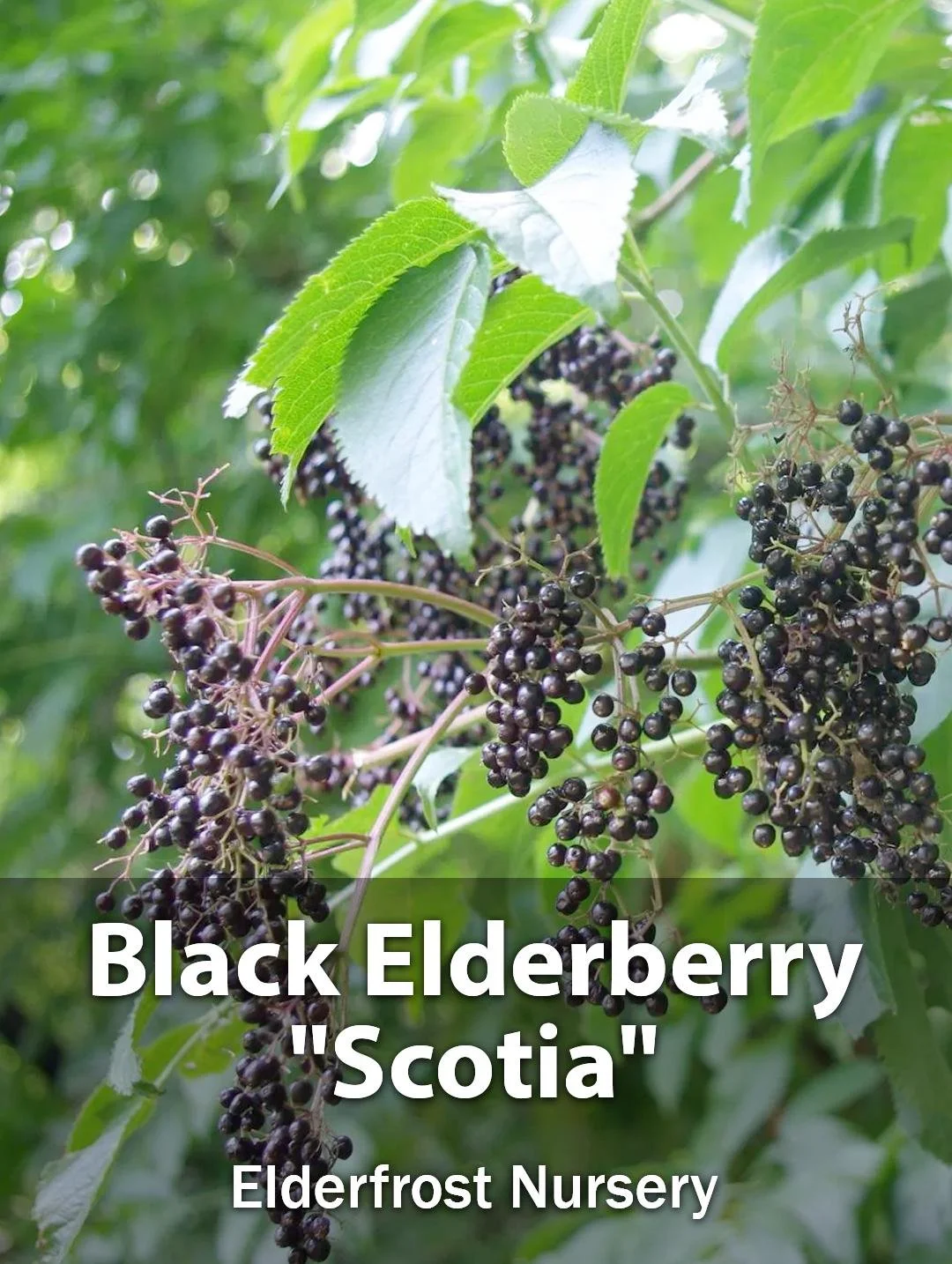 Image 1 of 10
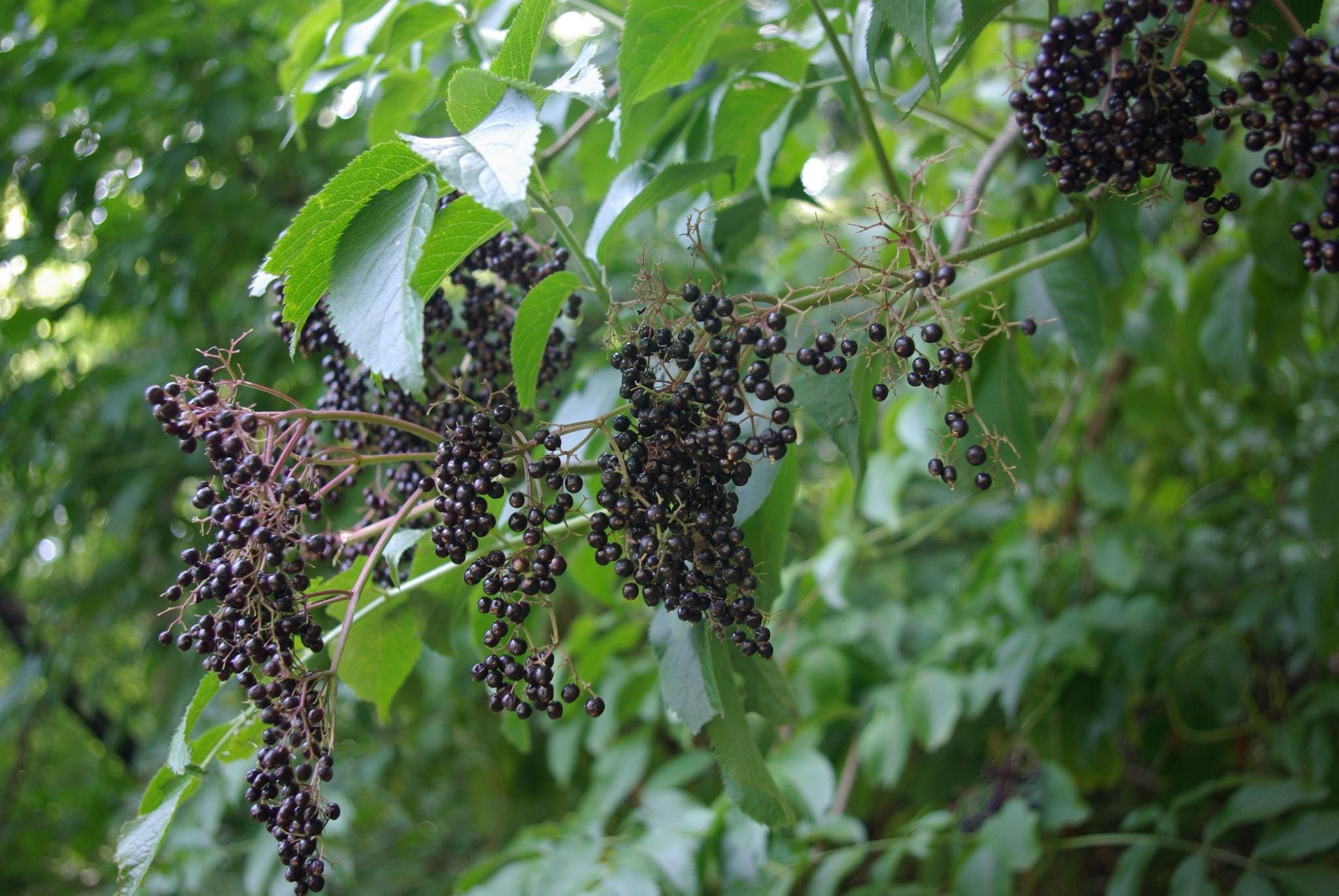 Image 2 of 10
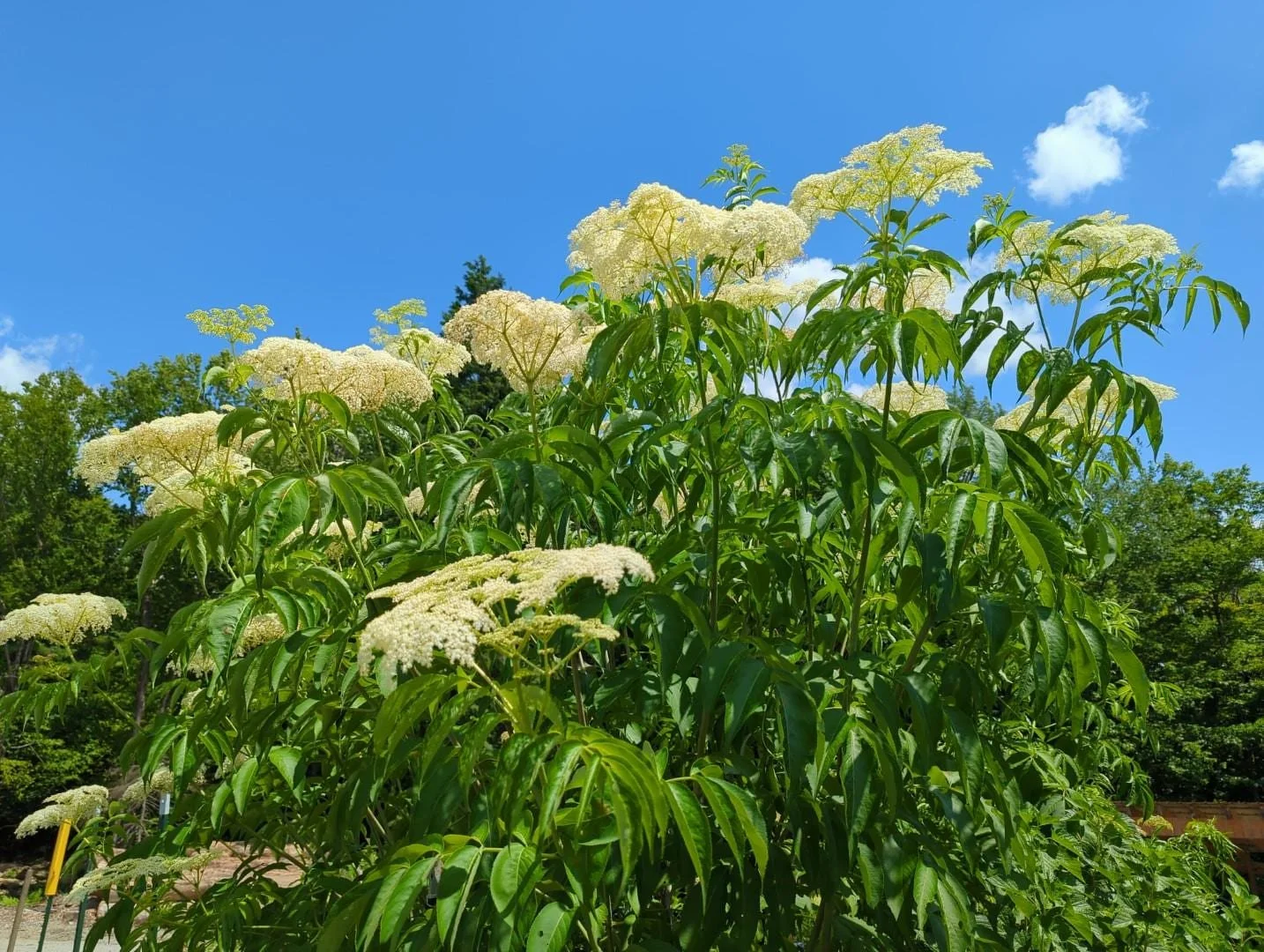 Image 3 of 10
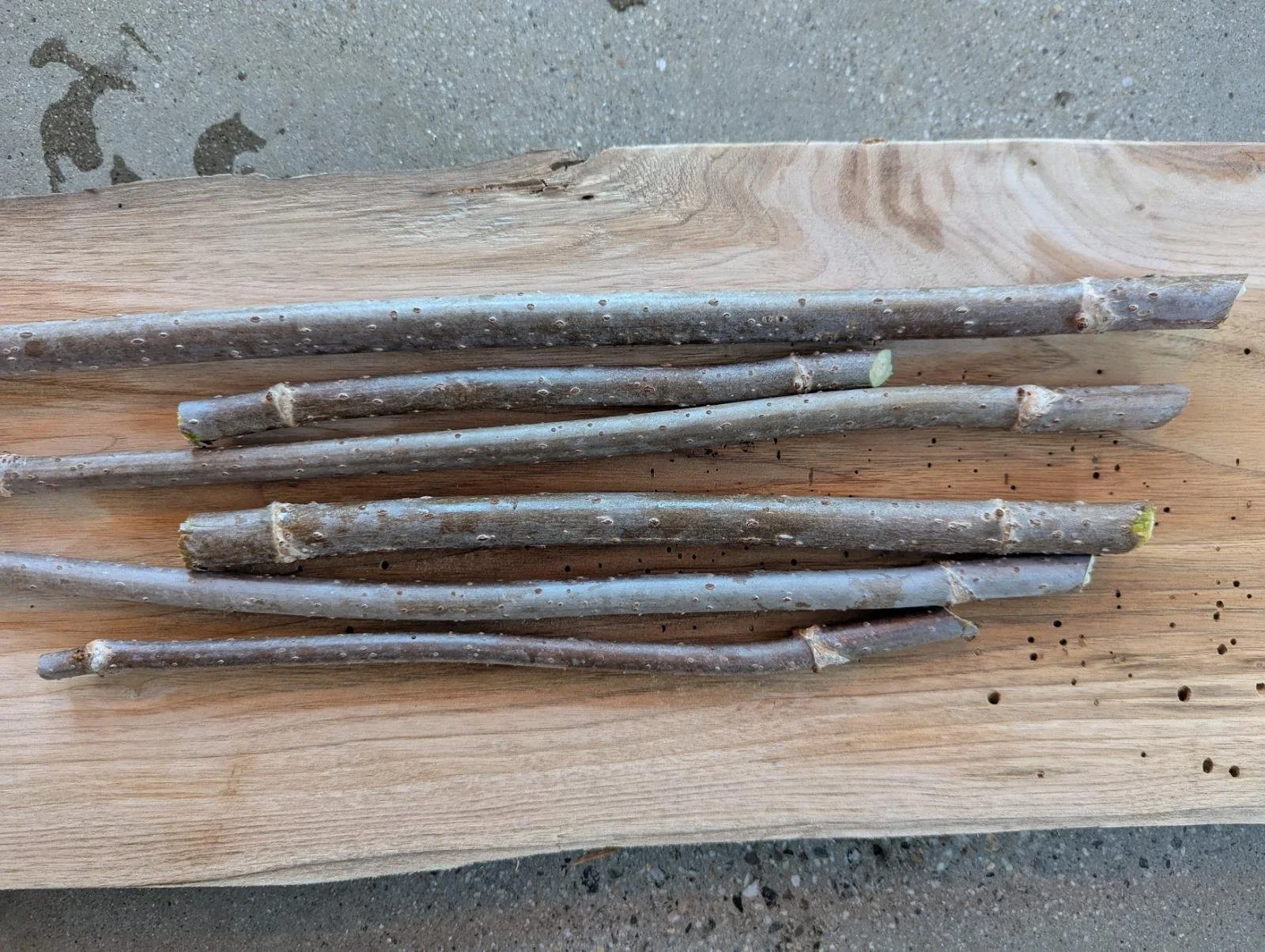 Image 4 of 10
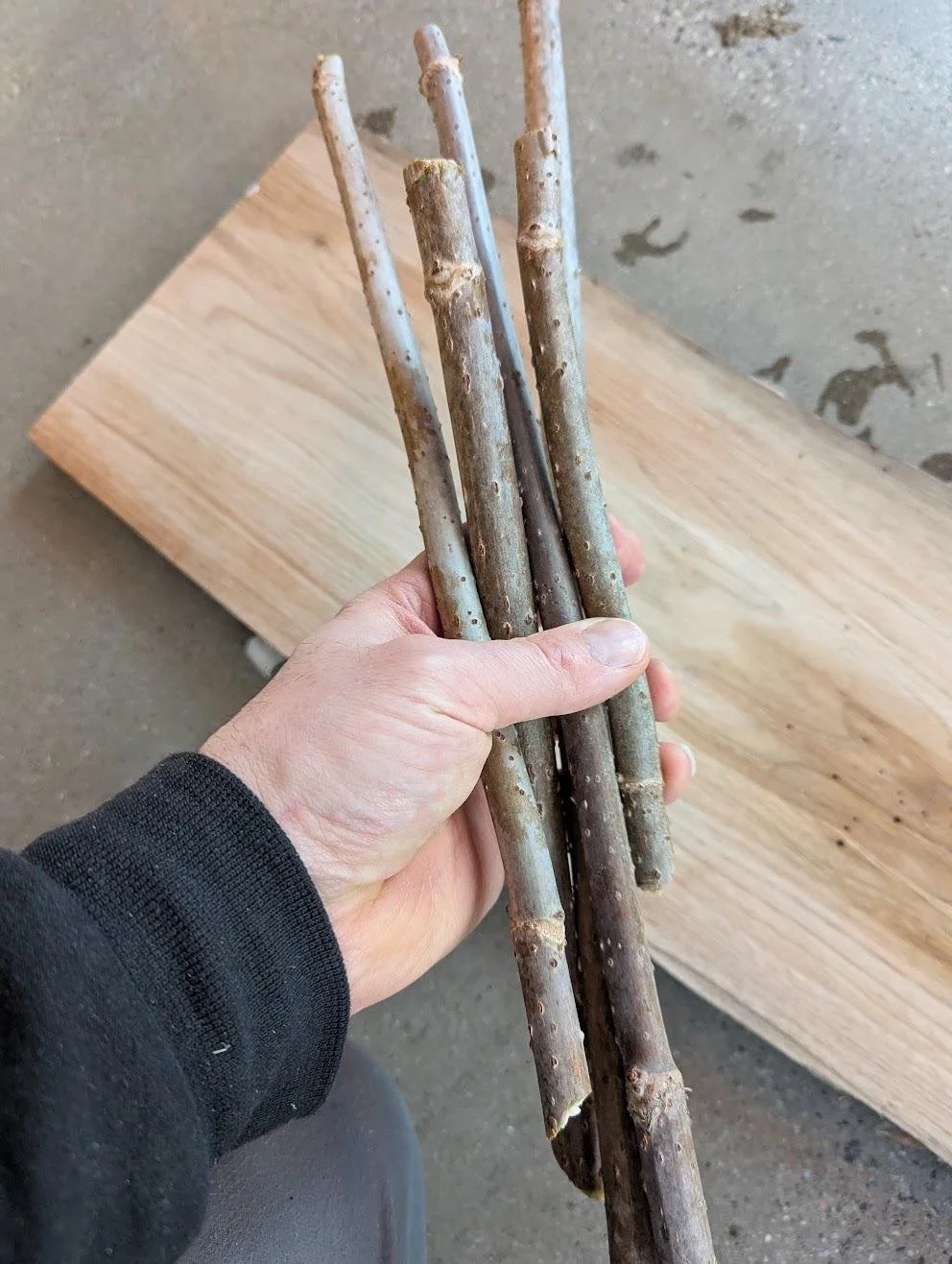 Image 5 of 10
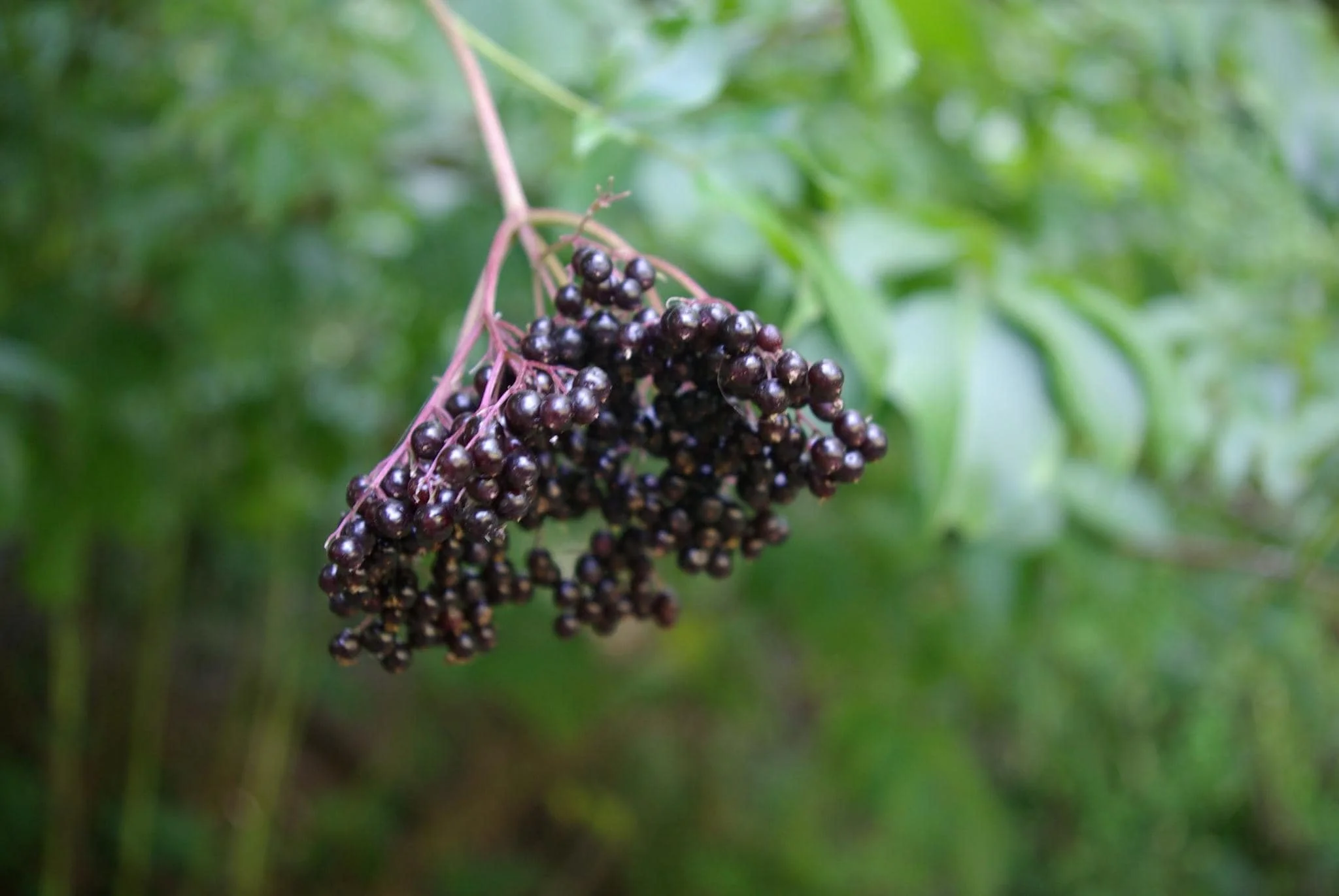 Image 6 of 10
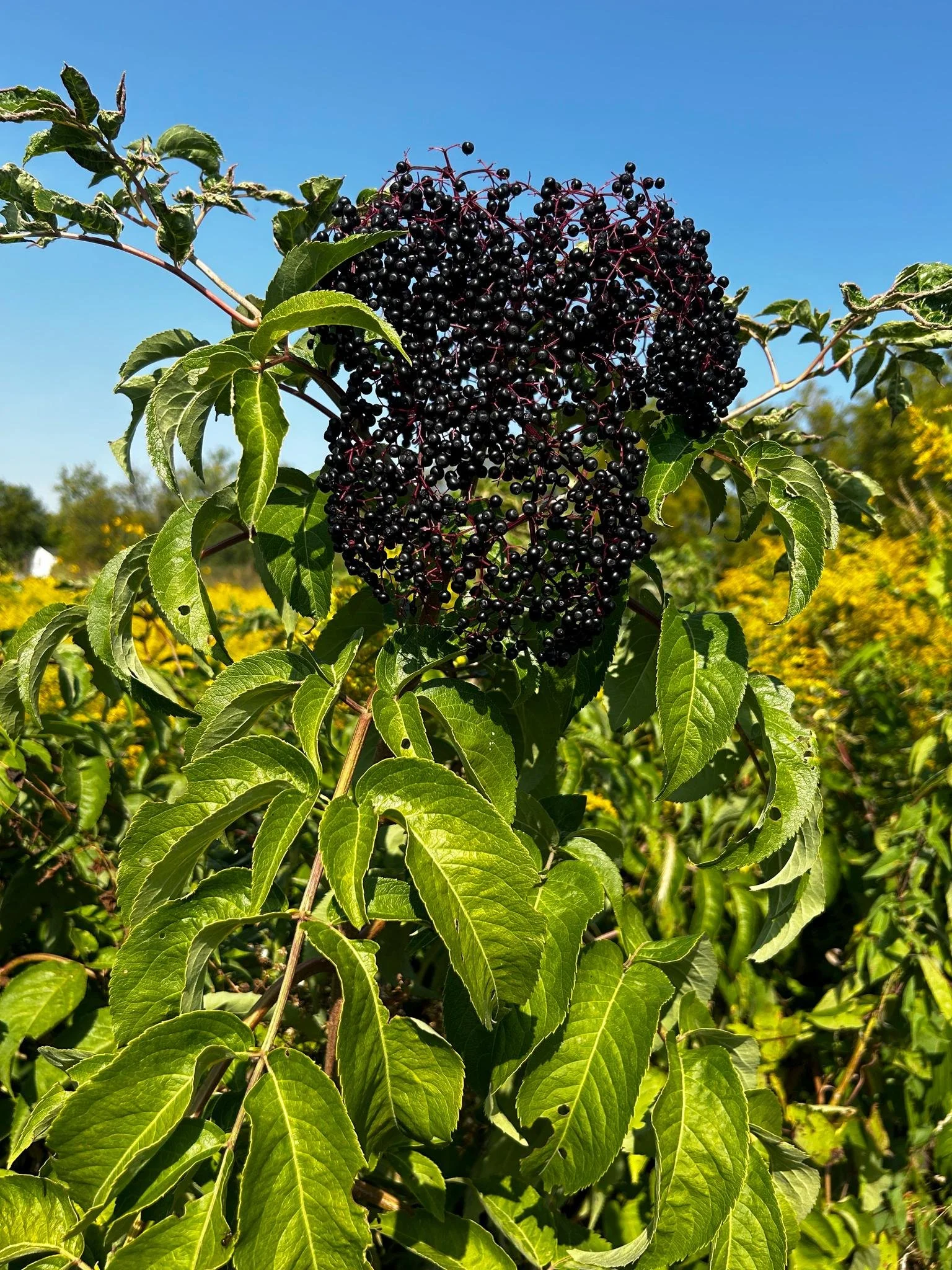 Image 7 of 10
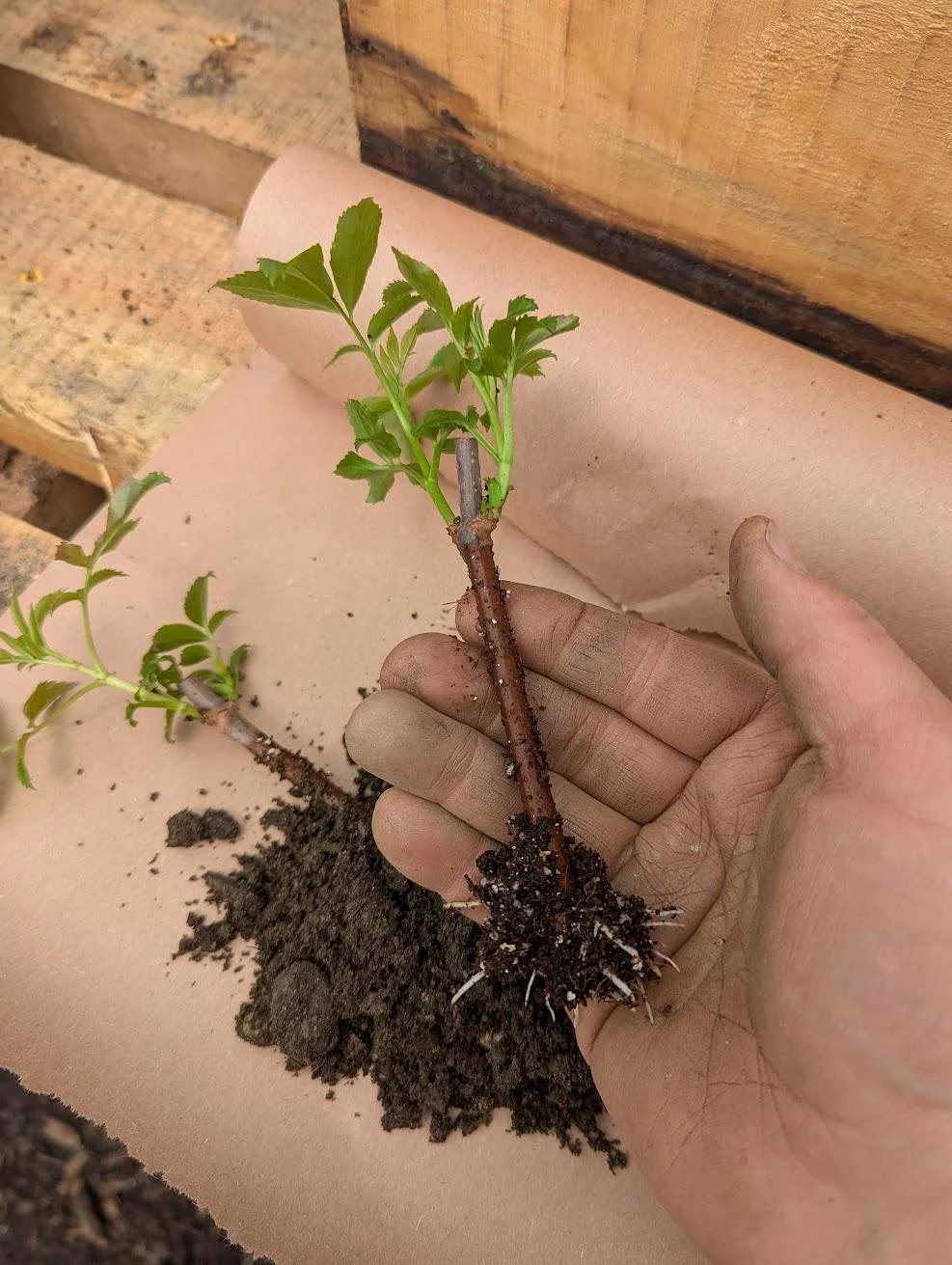 Image 8 of 10
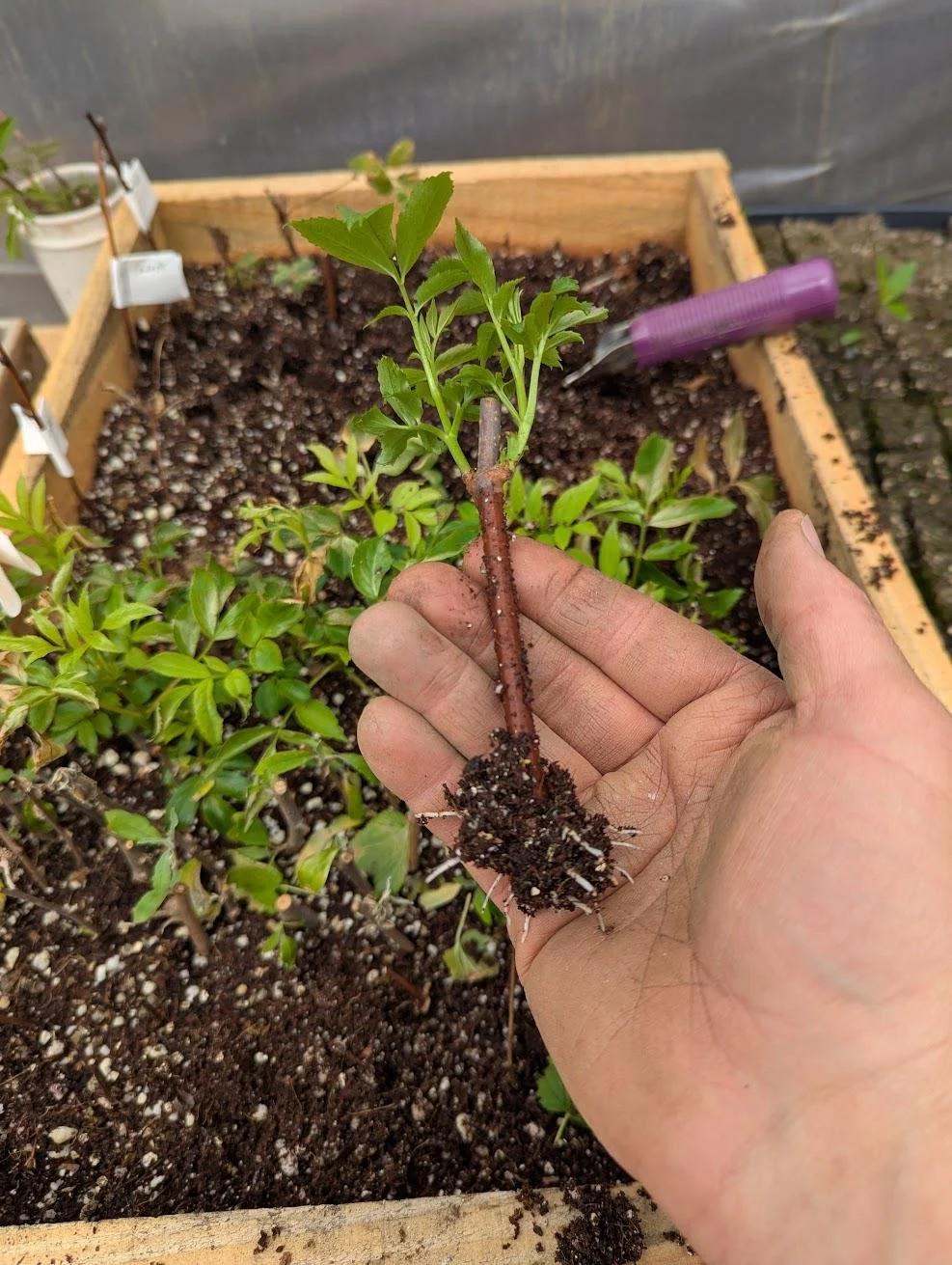 Image 9 of 10
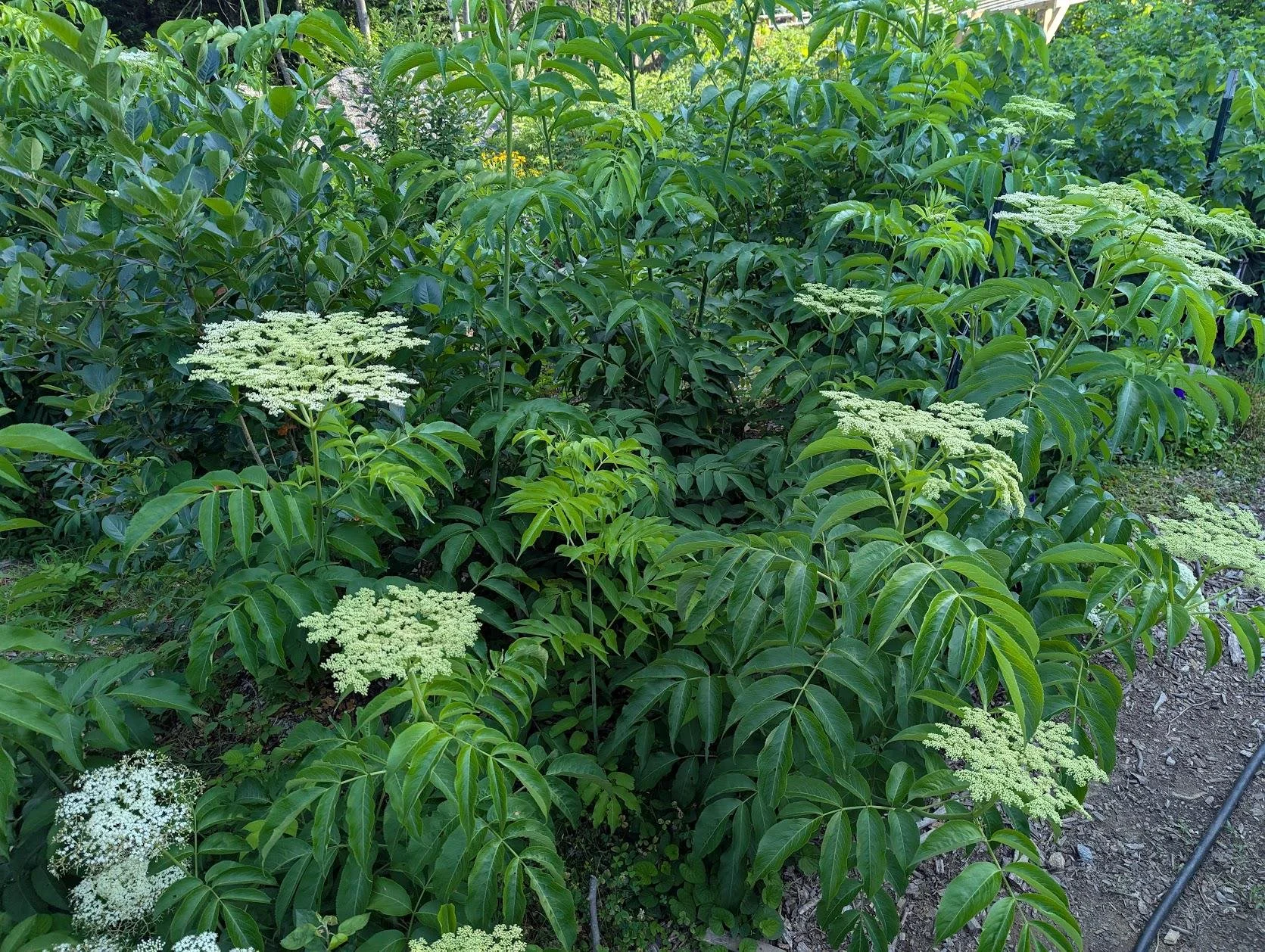 Image 10 of 10