Pocahontas Black Elderberry Plants and Cuttings

from $24.00
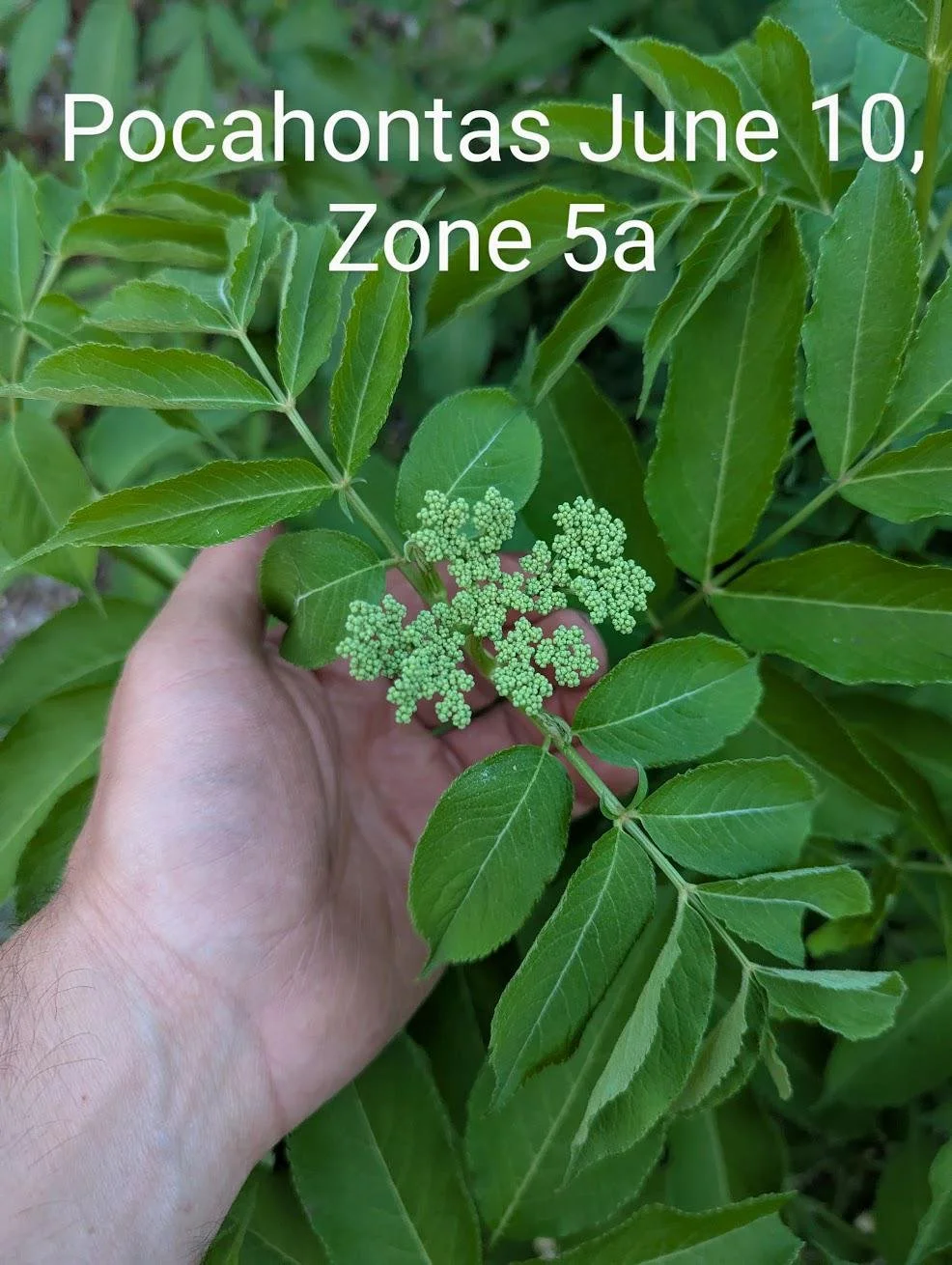
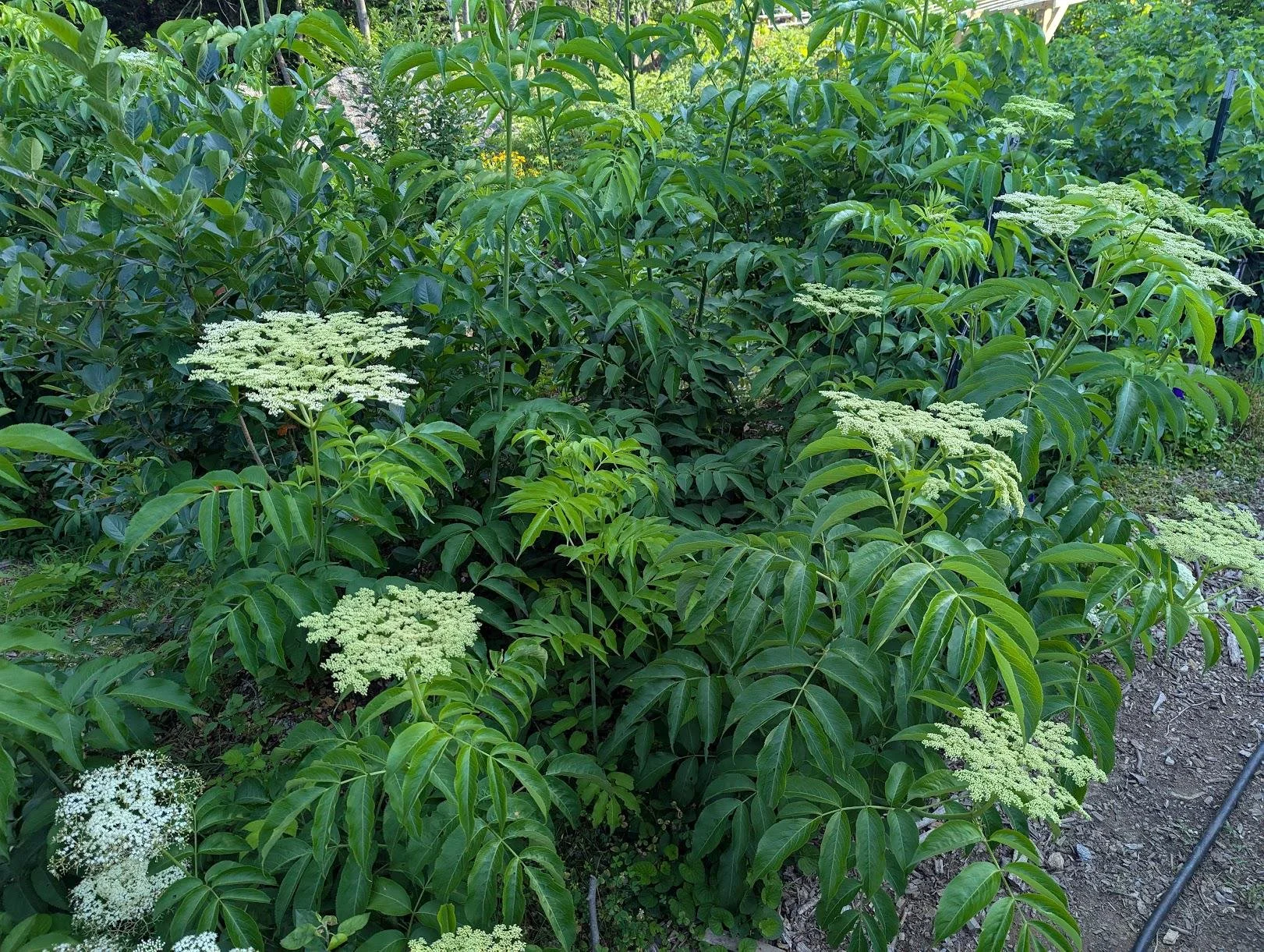
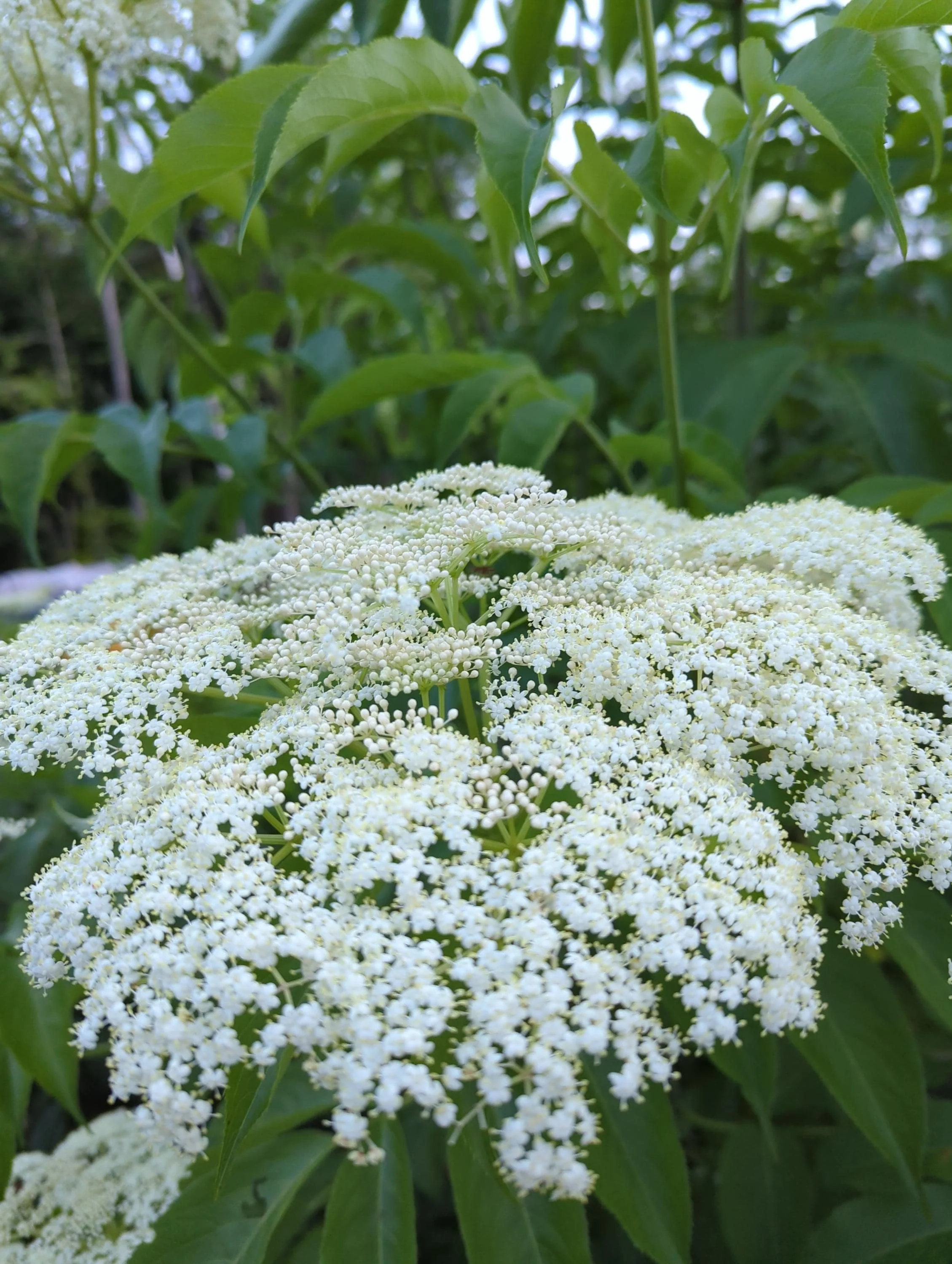
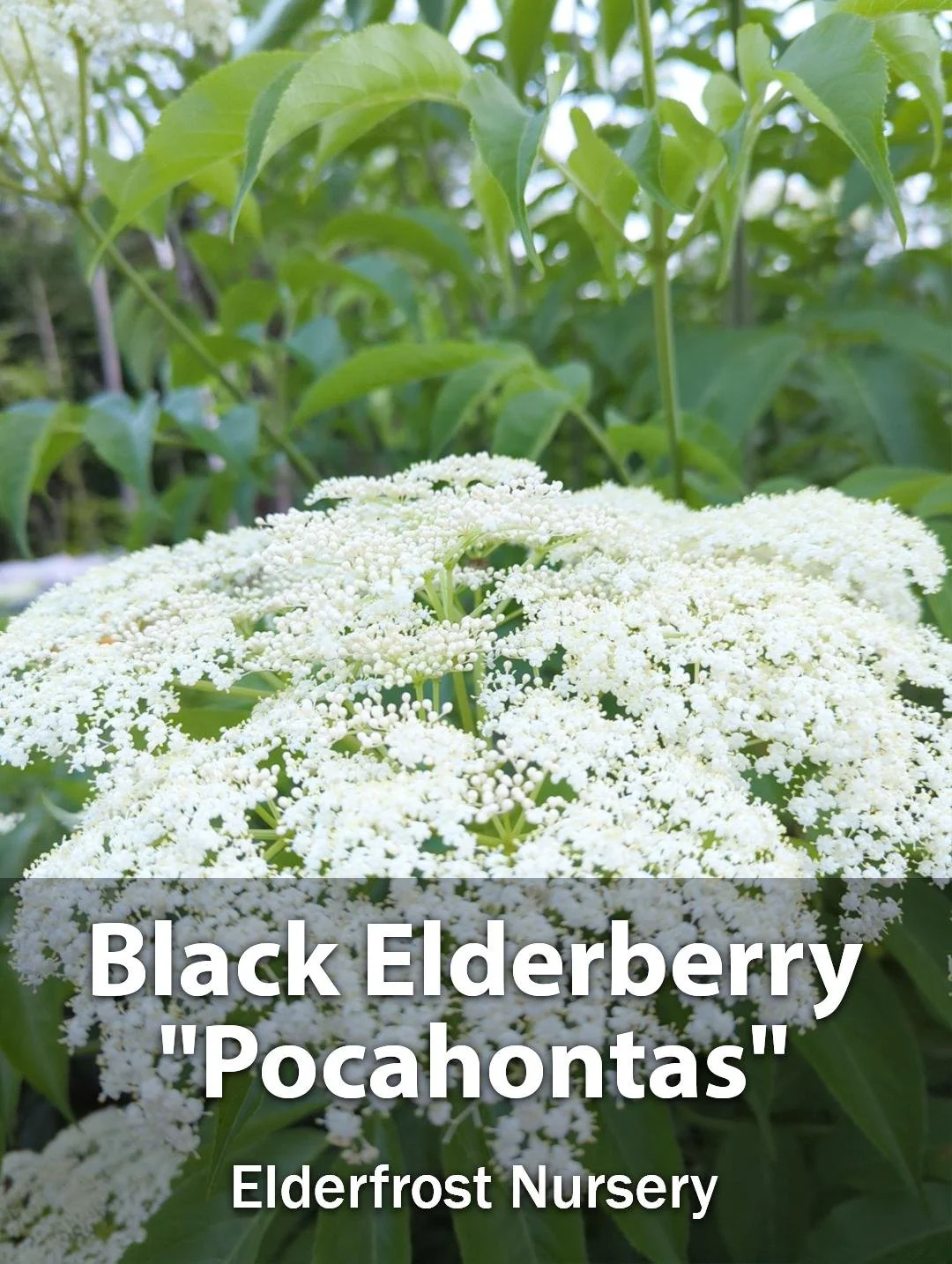
Pocahontas is highly sought after for its exceptional productivity, often outyielding other cultivars like ‘Bob Gordon’ in trials. Its large flower cymes and berry heads, up to 24 inches across, make it a top choice for growers aiming for high output. Pocahontas is also one of the most vigorously growing varieties available.

Plant in full sun for optimal flower and berry production, though it tolerates a range of soil types, including moist or poorly drained sites (avoid overly wet soils). It flowers from May to June in most regions and continues producing flowers at a decreasing rate until frost. From our observations, it appears fully indeterminate.

We recommend pairing Pocahontas with York, Adams, Nova, Wyldewood, or Bob Gordon for cross-pollination benefits.

In the first and second years, prune only damaged or dead wood. After the third growing season, when Pocahontas reaches near-mature size, begin heavy pruning the following winter. We practice a two-year coppice rotation.

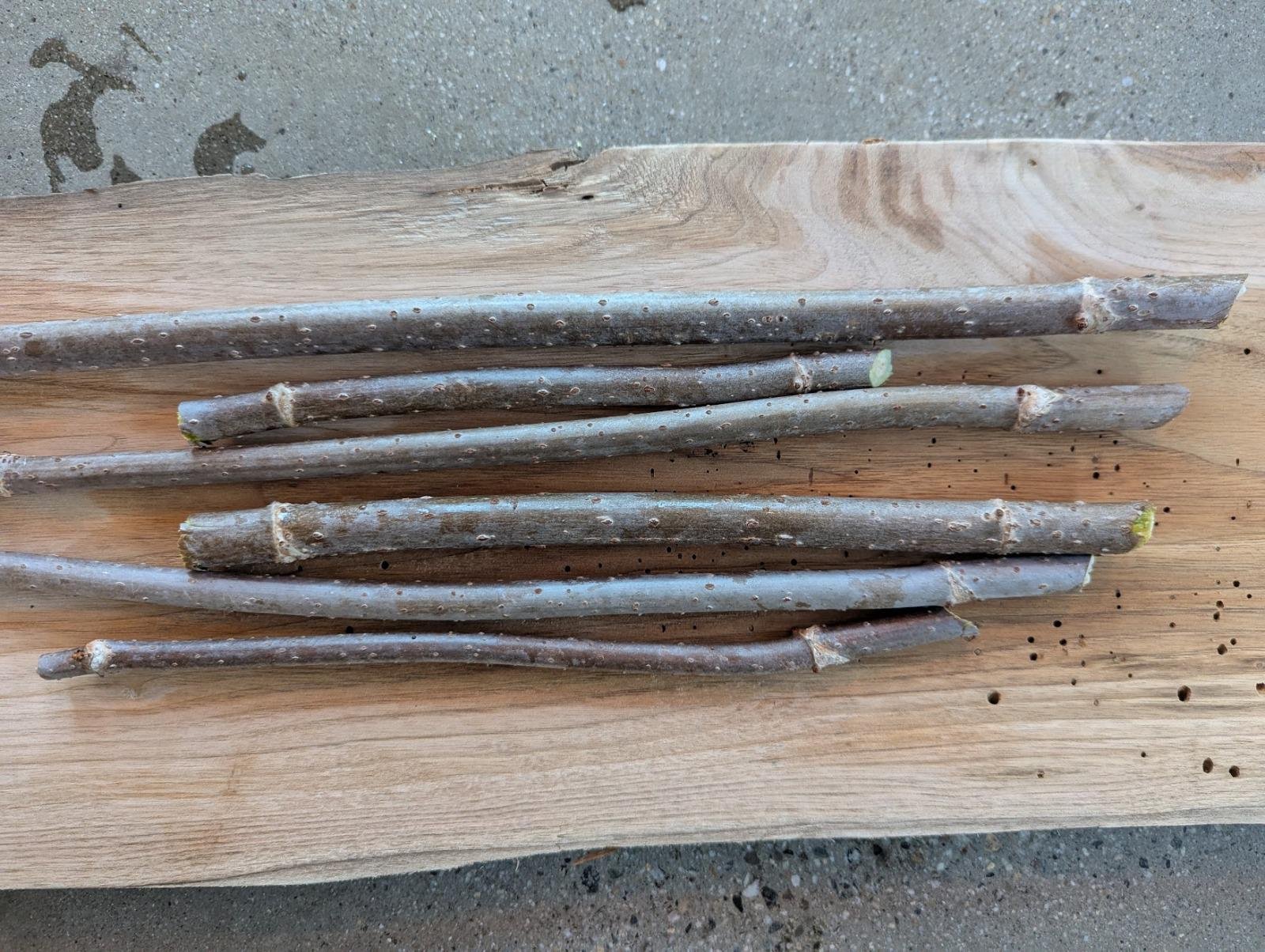
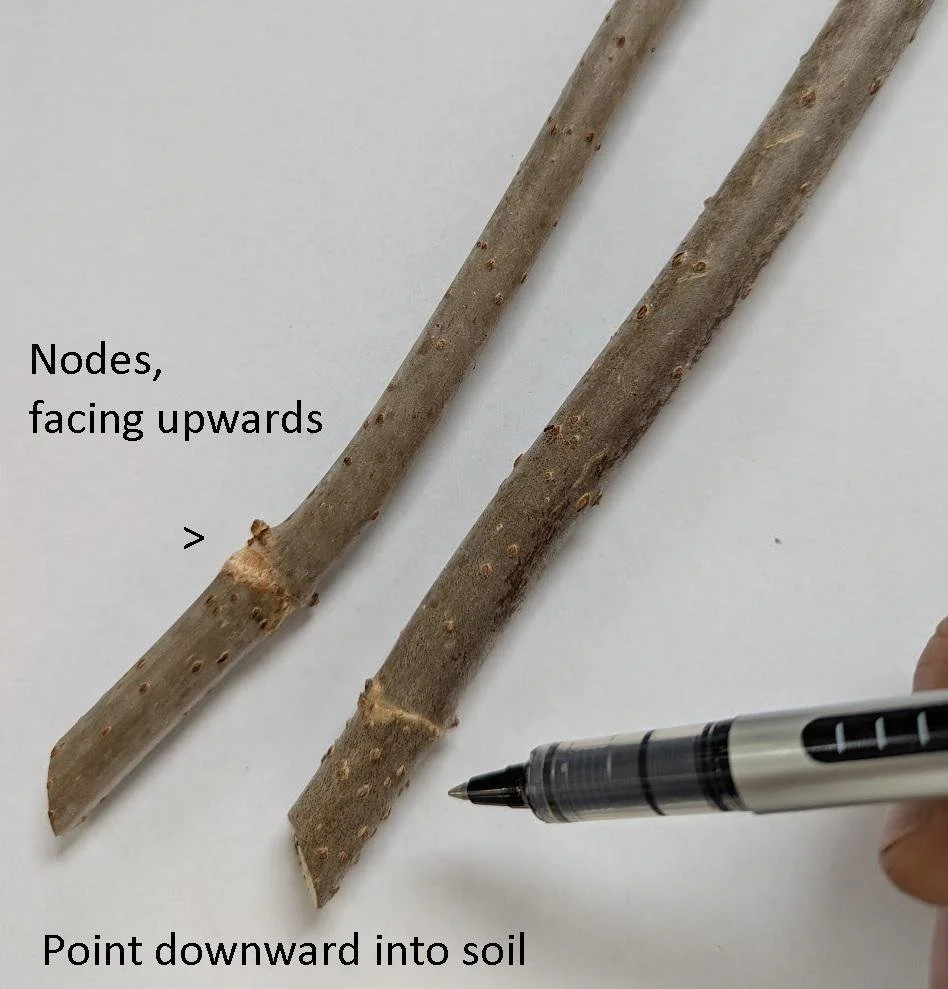
Cuttings are available in early to mid-spring, with rooted plants available afterward.
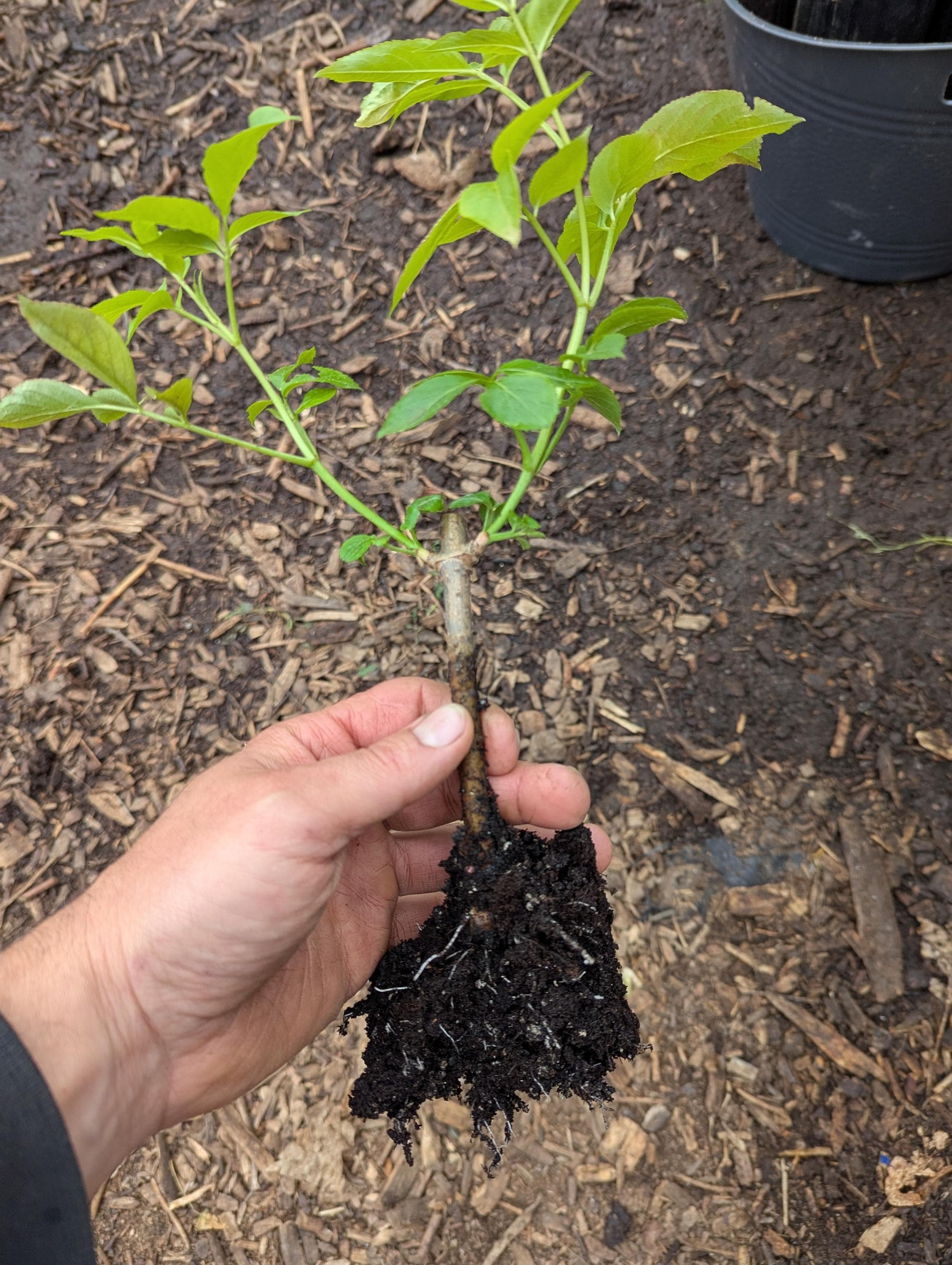
Small plants, typically 8–14" tall, are well-rooted in 3" pots.
Plants and Cuttings:
Pocahontas is highly sought after for its exceptional productivity, often outyielding other cultivars like ‘Bob Gordon’ in trials. Its large flower cymes and berry heads, up to 24 inches across, make it a top choice for growers aiming for high output. Pocahontas is also one of the most vigorously growing varieties available.

Plant in full sun for optimal flower and berry production, though it tolerates a range of soil types, including moist or poorly drained sites (avoid overly wet soils). It flowers from May to June in most regions and continues producing flowers at a decreasing rate until frost. From our observations, it appears fully indeterminate.

We recommend pairing Pocahontas with York, Adams, Nova, Wyldewood, or Bob Gordon for cross-pollination benefits.

In the first and second years, prune only damaged or dead wood. After the third growing season, when Pocahontas reaches near-mature size, begin heavy pruning the following winter. We practice a two-year coppice rotation.

Cuttings are available in early to mid-spring, with rooted plants available afterward.
Small plants, typically 8–14" tall, are well-rooted in 3" pots.