Myoga Ginger Live Roots, Cold Hardy Young Plants (Zone 5b)
sold out
Spring 2026 Myoga Update!
NEW! We now have potted Myoga plants available for a limited time! The stalks are already 6–12" tall and growing rapidly.
These fast-growing plants will establish a larger patch more quickly this season since they’re already about half a season ahead of root divisions.
Our root sections are still a great, more affordable way to start growing Myoga, and they’re easier to ship. But if you want to establish your patch faster and start enjoying fresh Myoga sooner, our growing plants are the way to go!
The Myoga is starting to wake up now, Its going to begin growing rapidly! Sales are almost over as we let the patch regenerate for the rest of the year. A small amount of of roots have been dug and are rooting into small pots now for growing stalks to be sold soon to end the season.
The Myoga patch looks great! Roots are plump and they handled one of the coldest winters in decades here! To protect your roots we will only be digging and shipping during warm weather windows!
You will receive a live root sections up to 6" long. Plant immediately if dangers of hard freezing are over. Check the images for planting instructions for segments and crowns. Its very easy!
Myoga ginger (Zingiber mioga), a Japanese variety prized for its edible flower buds, thrives in partial shade with well-drained, fertile soil rich in organic matter. To grow it, plant rhizomes in spring about 1-3 inches deep and 12-18 inches apart, ensuring the soil stays consistently moist but not waterlogged. It prefers a humid environment and temperatures between 60-80°F, making it ideal for USDA zones 6-10; However this variety has survived at our nursery through 3 winters with little protection in Zone 5! Harvest the aromatic buds in late summer to early fall when they emerge from the soil, cutting them just above ground level to encourage further growth.
Myoga ginger is a deciduous herbaceous perennial from the ginger family, native to Japan, China, and southern Korea. Unlike common ginger, which is prized for its rhizome, myoga is cultivated for its edible flower buds and young shoots, which offer a mild ginger flavor with a zesty, tangy twist and a crunchy texture. In Japanese cuisine, the finely shredded buds are used as a vibrant garnish for dishes like miso soup, sunomono, and roasted eggplant, while in Korean cooking, they’re skewered and pan-fried. We prefer it vinegar or sugar pickled and used as a garnish!
Spring 2026 Myoga Update!
NEW! We now have potted Myoga plants available for a limited time! The stalks are already 6–12" tall and growing rapidly.
These fast-growing plants will establish a larger patch more quickly this season since they’re already about half a season ahead of root divisions.
Our root sections are still a great, more affordable way to start growing Myoga, and they’re easier to ship. But if you want to establish your patch faster and start enjoying fresh Myoga sooner, our growing plants are the way to go!
The Myoga is starting to wake up now, Its going to begin growing rapidly! Sales are almost over as we let the patch regenerate for the rest of the year. A small amount of of roots have been dug and are rooting into small pots now for growing stalks to be sold soon to end the season.
The Myoga patch looks great! Roots are plump and they handled one of the coldest winters in decades here! To protect your roots we will only be digging and shipping during warm weather windows!
You will receive a live root sections up to 6" long. Plant immediately if dangers of hard freezing are over. Check the images for planting instructions for segments and crowns. Its very easy!
Myoga ginger (Zingiber mioga), a Japanese variety prized for its edible flower buds, thrives in partial shade with well-drained, fertile soil rich in organic matter. To grow it, plant rhizomes in spring about 1-3 inches deep and 12-18 inches apart, ensuring the soil stays consistently moist but not waterlogged. It prefers a humid environment and temperatures between 60-80°F, making it ideal for USDA zones 6-10; However this variety has survived at our nursery through 3 winters with little protection in Zone 5! Harvest the aromatic buds in late summer to early fall when they emerge from the soil, cutting them just above ground level to encourage further growth.
Myoga ginger is a deciduous herbaceous perennial from the ginger family, native to Japan, China, and southern Korea. Unlike common ginger, which is prized for its rhizome, myoga is cultivated for its edible flower buds and young shoots, which offer a mild ginger flavor with a zesty, tangy twist and a crunchy texture. In Japanese cuisine, the finely shredded buds are used as a vibrant garnish for dishes like miso soup, sunomono, and roasted eggplant, while in Korean cooking, they’re skewered and pan-fried. We prefer it vinegar or sugar pickled and used as a garnish!

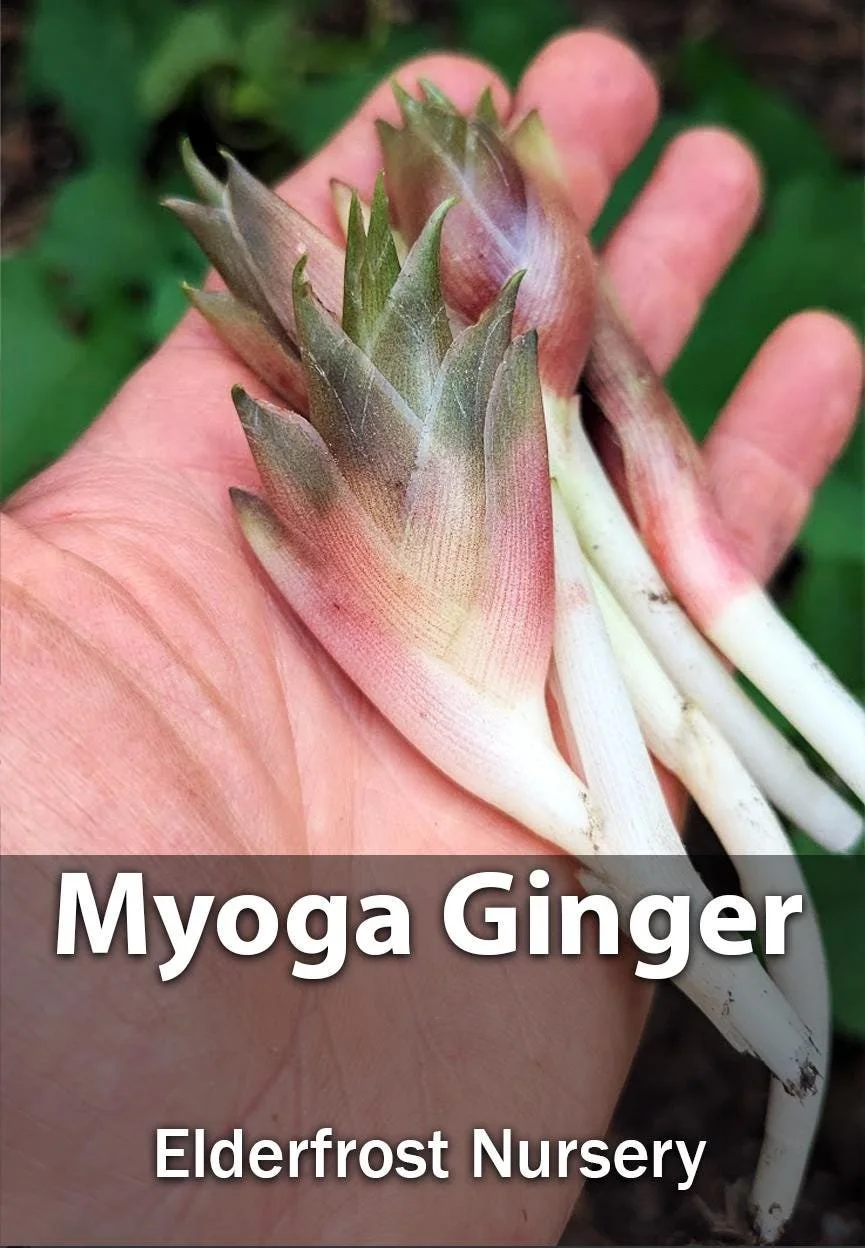 Image 1 of 14
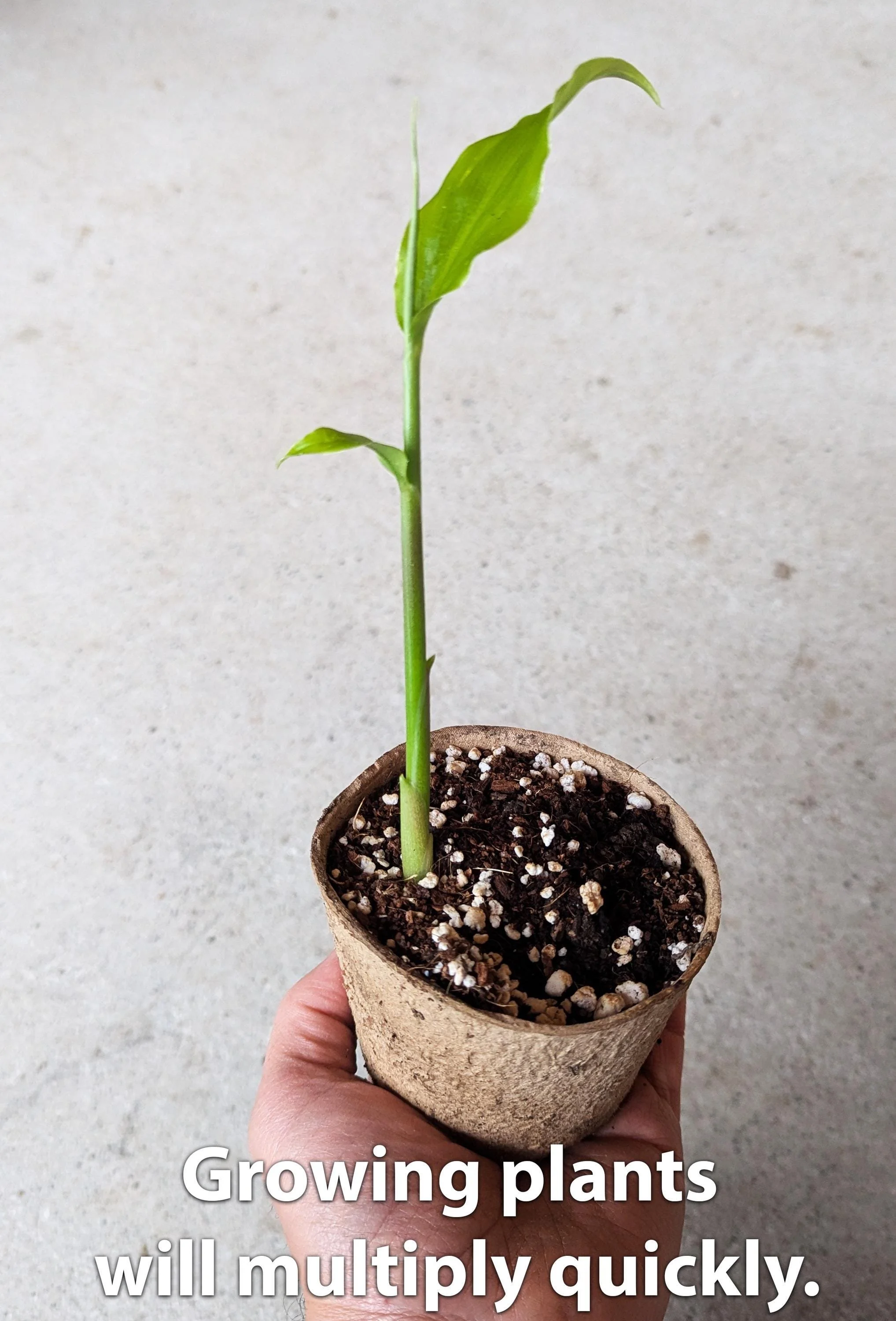 Image 2 of 14
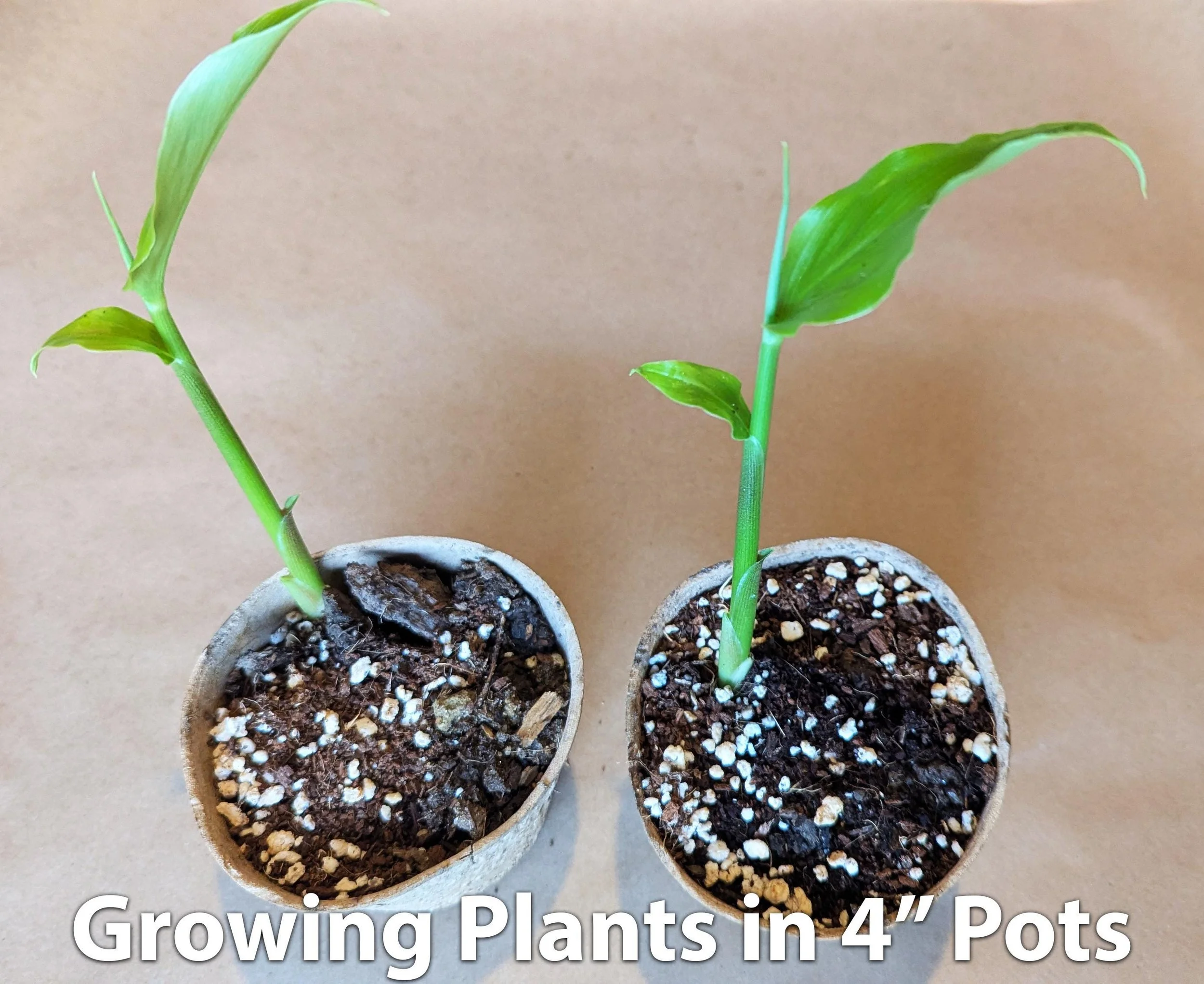 Image 3 of 14
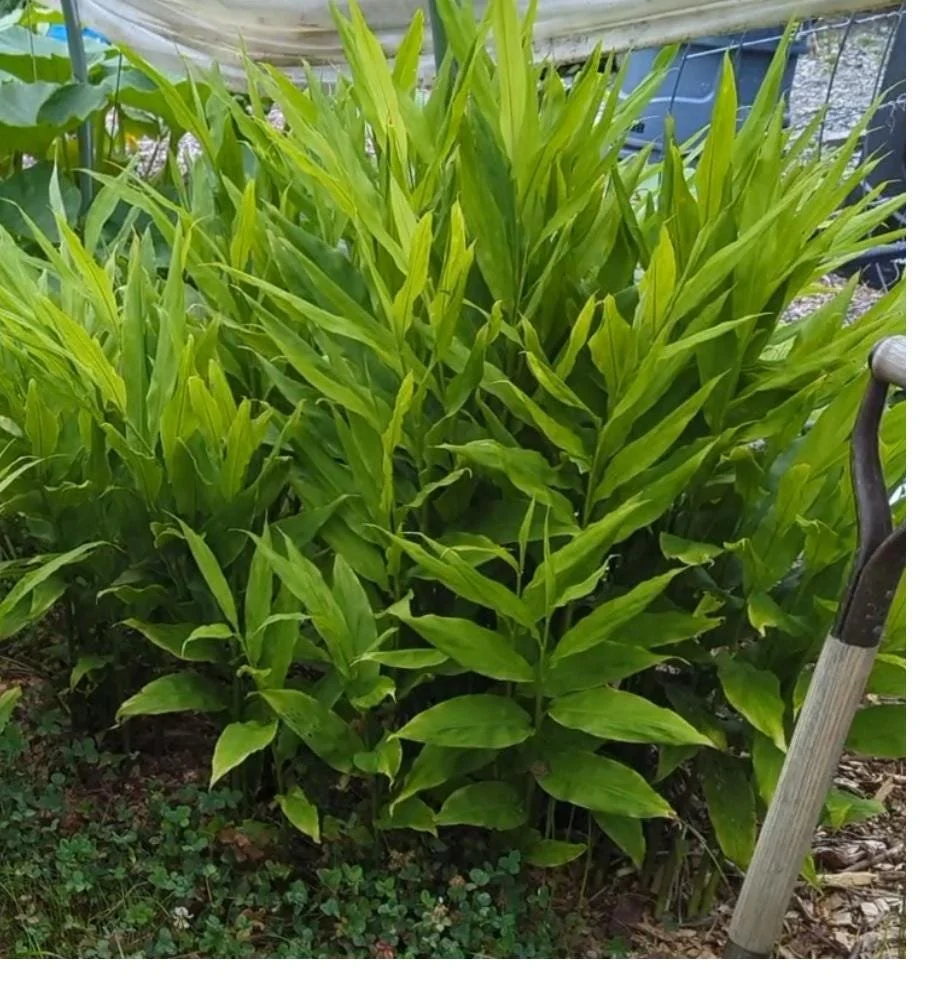 Image 4 of 14
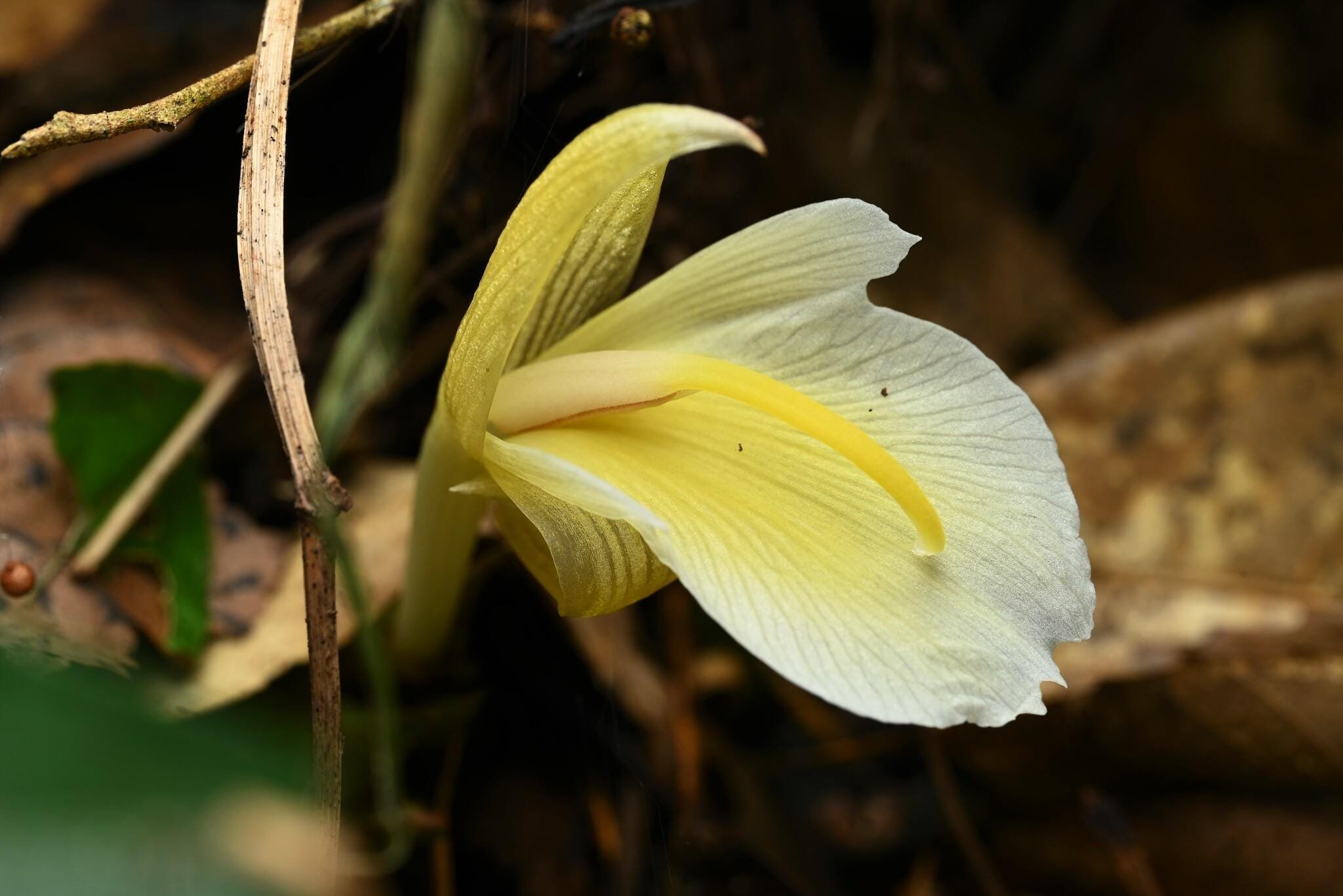 Image 5 of 14
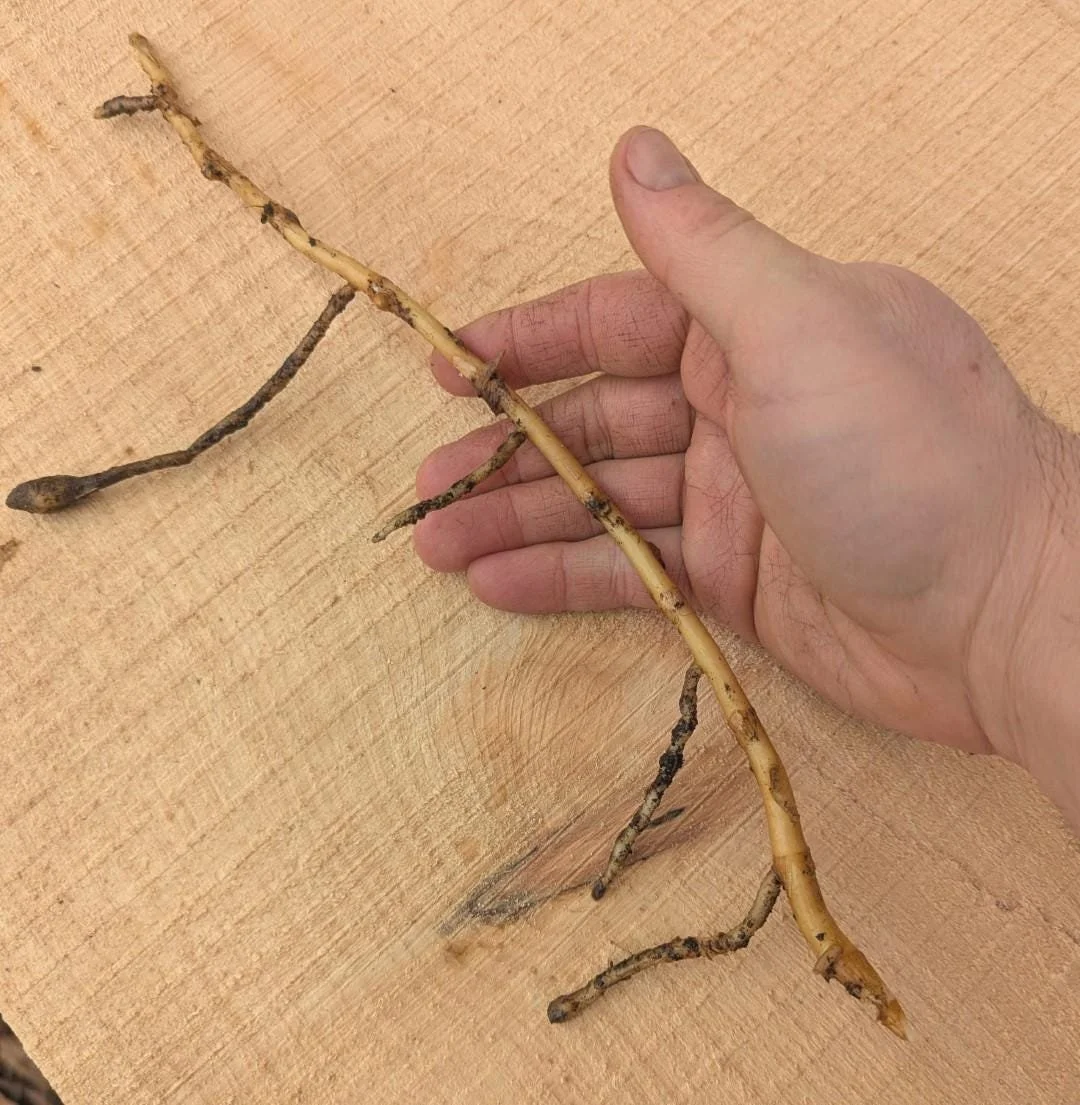 Image 6 of 14
 Image 7 of 14
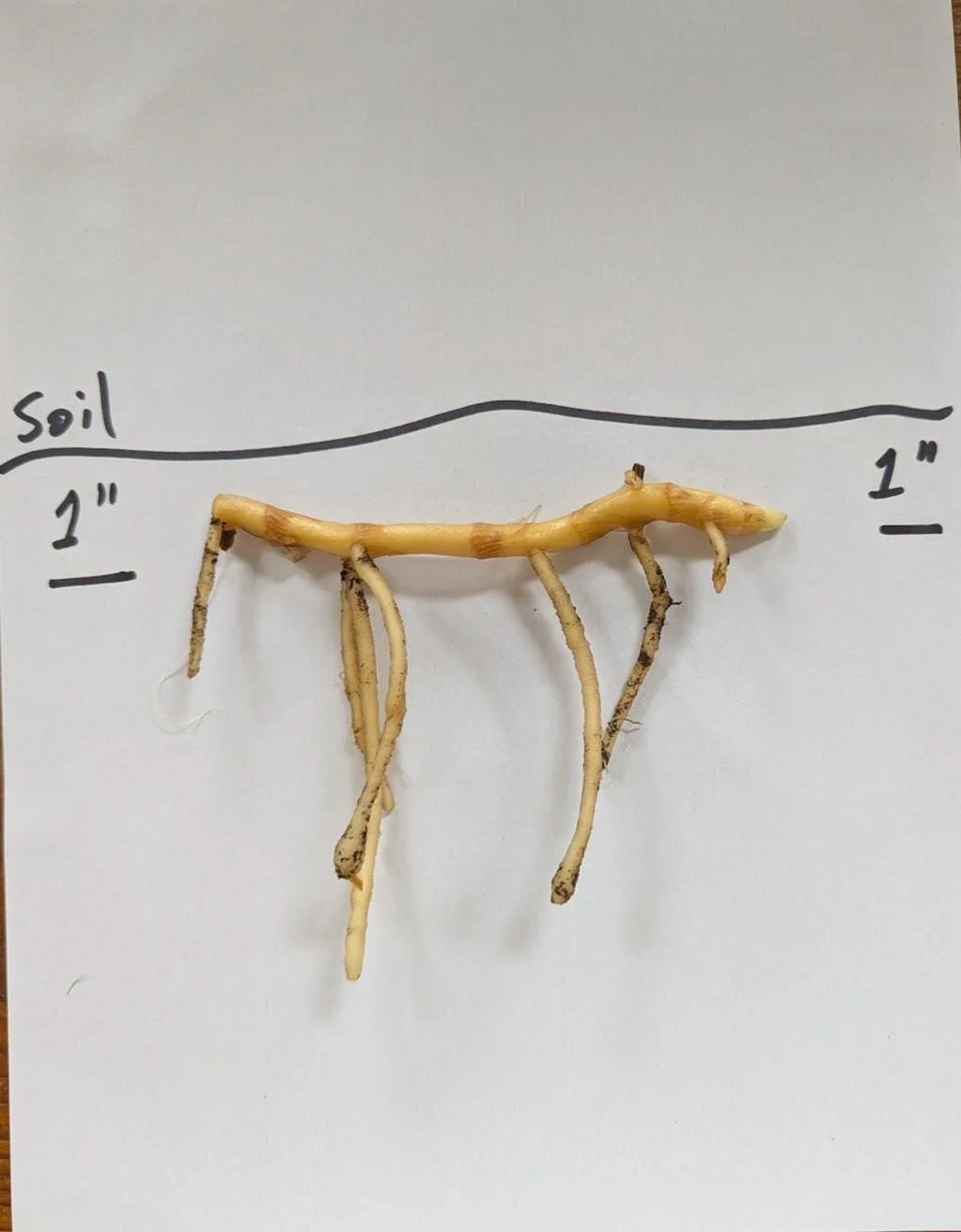 Image 8 of 14
 Image 9 of 14
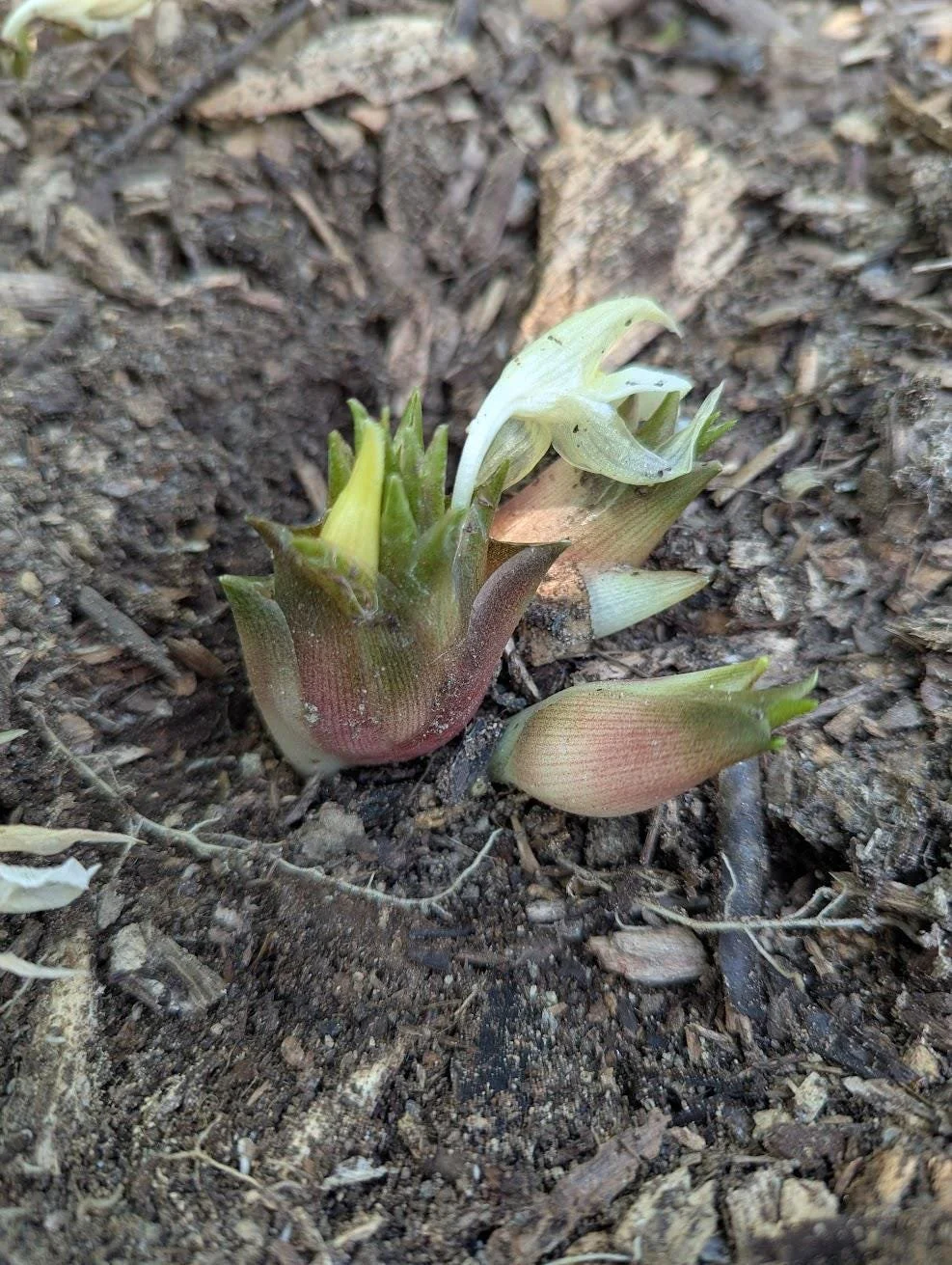 Image 10 of 14
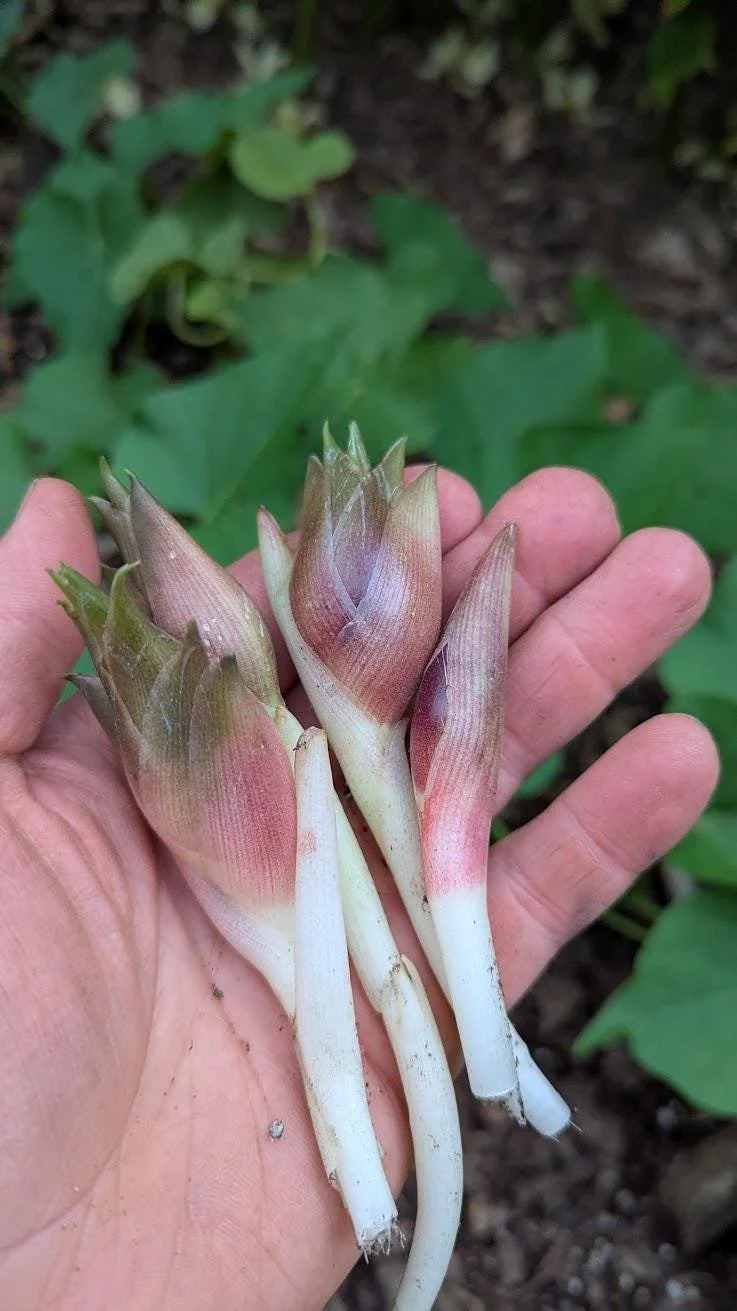 Image 11 of 14
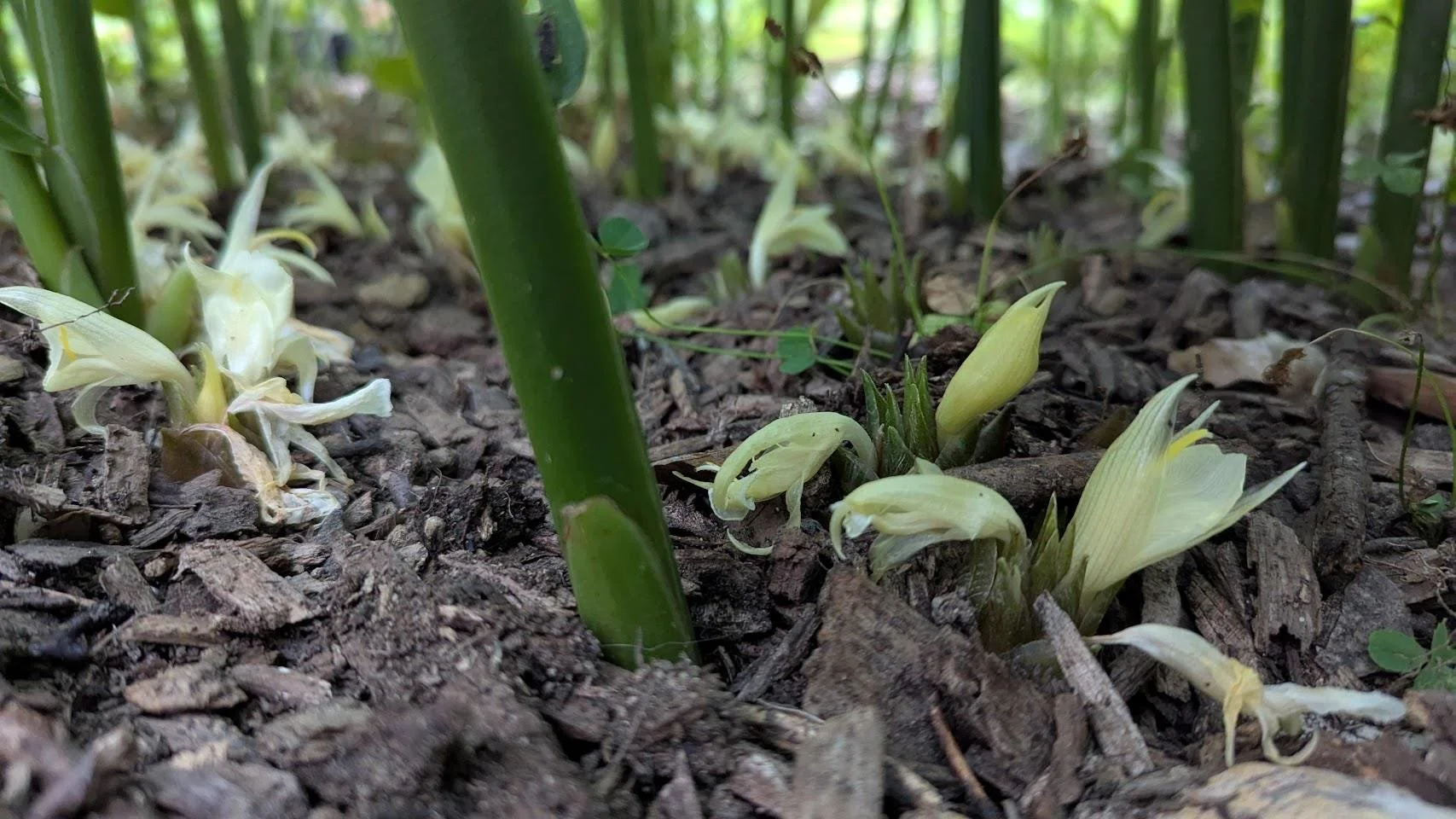 Image 12 of 14
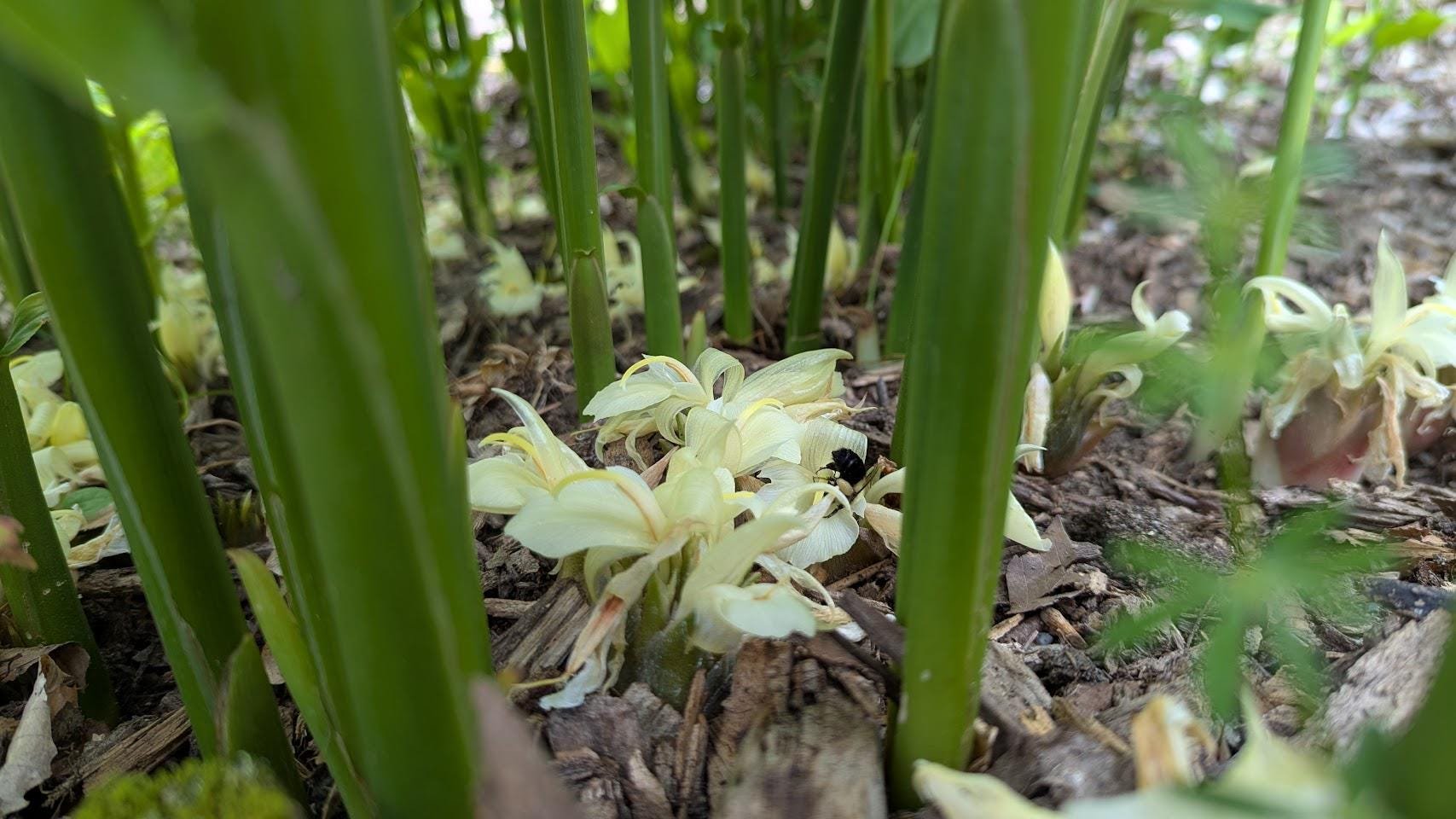 Image 13 of 14
 Image 14 of 14