The York Elderberry (Sambucus canadensis 'York') is a vigorous, deciduous shrub specifically bred for high agricultural yield and cold hardiness. It is a premier cultivar of the American Elderberry, distinguished by its production of the largest berries and cymes (flower clusters) among its species. Growing to a height and spread of 6 to 10 feet, it follows a suckering habit that allows it to form dense thickets. It is technically classified as a "new wood" producer, meaning it generates fruit on current-season growth. This characteristic allows for stooled harvesting, where the entire plant is cut to the ground in late winter to simplify harvesting and manage pest cycles without sacrificing the following year's crop.
In permaculture systems, 'York' is utilized for its high tolerance of hydric soils and its role in nutrient cycling. It thrives in USDA zones 3–8 and prefers a soil pH between 5.5 and 6.5. While the plant is self-fertile to a limited degree, it requires a genetically distinct cross-pollinator—most commonly the 'Nova' cultivar—to achieve a commercially viable fruit set. Beyond fruit production, the plant serves as a functional windbreak and a biological filter in riparian buffers, capturing nitrogen runoff while providing pithy stems for solitary bee nesting. Size: Typically grows 6–8 feet tall and wide, depending on growing conditions
Hardiness Zone: 4–9
Growing Conditions:
Light: Prefers full sun to partial shade
Soil: Tolerates a range of soil types but thrives in moist, well-drained soil with high organic matter
pH: Prefers slightly acidic to neutral soil (pH 5.5–7.5)
Water: Requires consistent moisture, especially during establishment and fruiting
Our Elderberries
**Grade A Cuttings: Typically pinky- to thumb-thick and 6–14 inches long. These premium cuttings are ideal for reliable propagation. Their larger size allows direct planting into firm ground without tools. The added size also makes them easy to locate as other plants grow around them later in the season.
**Bulk / Grade B Cuttings: A mix of larger and smaller cuttings, with 1–2 nodes. Cost-effective for establishing larger quantities, these are the same cuttings we use for our own nursery stock propagation.
**Small Plants / Rooted Cuttings: Cuttings rooted in sterile soil and shipped in 5" plugs. They will grow to 3–4 feet tall this year and may even give you a small taste of fruit. Expect a solid harvest next year. These grow quickly at this stage. Great value for a live plant!
**First-Year Live Plants: Large, well-established first-year plants, typically in 10" deep pots. Usually 1–2 feet tall, these develop into large, semi-mature bushes by the next growing season.
The York Elderberry (Sambucus canadensis 'York') is a vigorous, deciduous shrub specifically bred for high agricultural yield and cold hardiness. It is a premier cultivar of the American Elderberry, distinguished by its production of the largest berries and cymes (flower clusters) among its species. Growing to a height and spread of 6 to 10 feet, it follows a suckering habit that allows it to form dense thickets. It is technically classified as a "new wood" producer, meaning it generates fruit on current-season growth. This characteristic allows for stooled harvesting, where the entire plant is cut to the ground in late winter to simplify harvesting and manage pest cycles without sacrificing the following year's crop.
In permaculture systems, 'York' is utilized for its high tolerance of hydric soils and its role in nutrient cycling. It thrives in USDA zones 3–8 and prefers a soil pH between 5.5 and 6.5. While the plant is self-fertile to a limited degree, it requires a genetically distinct cross-pollinator—most commonly the 'Nova' cultivar—to achieve a commercially viable fruit set. Beyond fruit production, the plant serves as a functional windbreak and a biological filter in riparian buffers, capturing nitrogen runoff while providing pithy stems for solitary bee nesting. Size: Typically grows 6–8 feet tall and wide, depending on growing conditions
Hardiness Zone: 4–9
Growing Conditions:
Light: Prefers full sun to partial shade
Soil: Tolerates a range of soil types but thrives in moist, well-drained soil with high organic matter
pH: Prefers slightly acidic to neutral soil (pH 5.5–7.5)
Water: Requires consistent moisture, especially during establishment and fruiting
Our Elderberries
**Grade A Cuttings: Typically pinky- to thumb-thick and 6–14 inches long. These premium cuttings are ideal for reliable propagation. Their larger size allows direct planting into firm ground without tools. The added size also makes them easy to locate as other plants grow around them later in the season.
**Bulk / Grade B Cuttings: A mix of larger and smaller cuttings, with 1–2 nodes. Cost-effective for establishing larger quantities, these are the same cuttings we use for our own nursery stock propagation.
**Small Plants / Rooted Cuttings: Cuttings rooted in sterile soil and shipped in 5" plugs. They will grow to 3–4 feet tall this year and may even give you a small taste of fruit. Expect a solid harvest next year. These grow quickly at this stage. Great value for a live plant!
**First-Year Live Plants: Large, well-established first-year plants, typically in 10" deep pots. Usually 1–2 feet tall, these develop into large, semi-mature bushes by the next growing season.

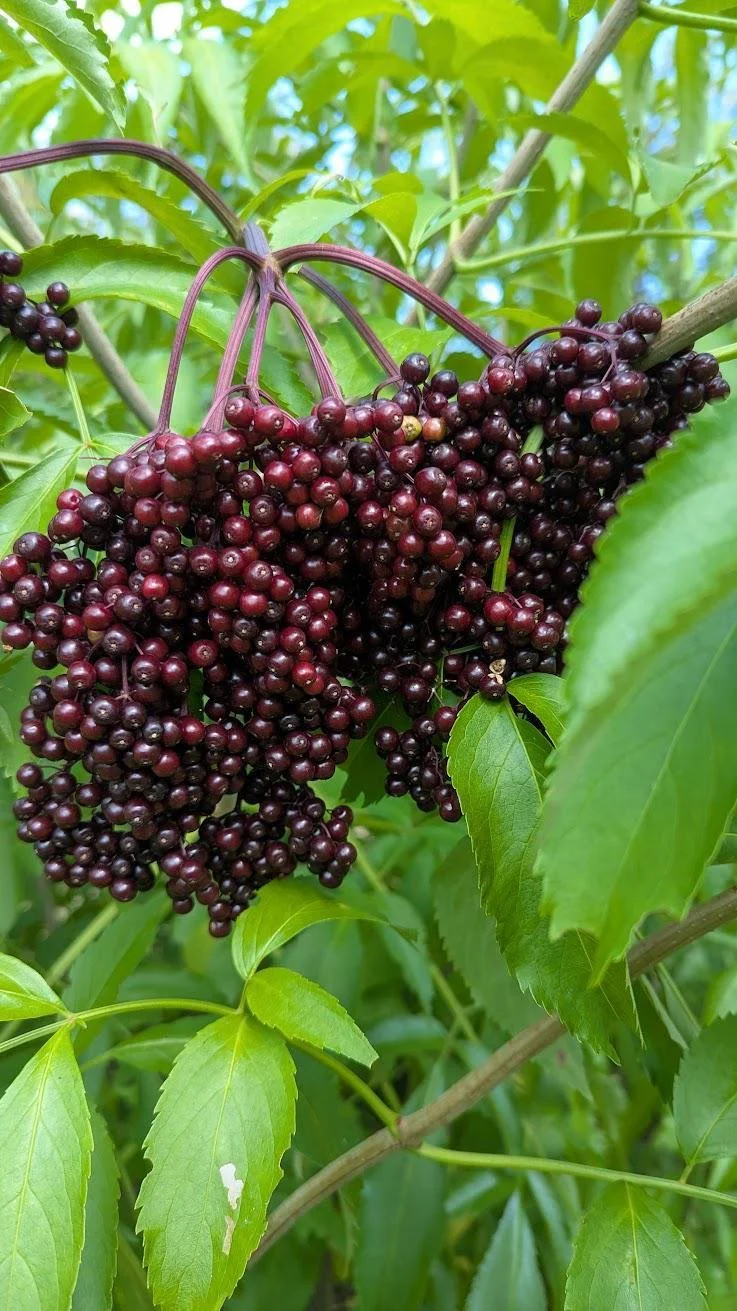 Image 1 of 8
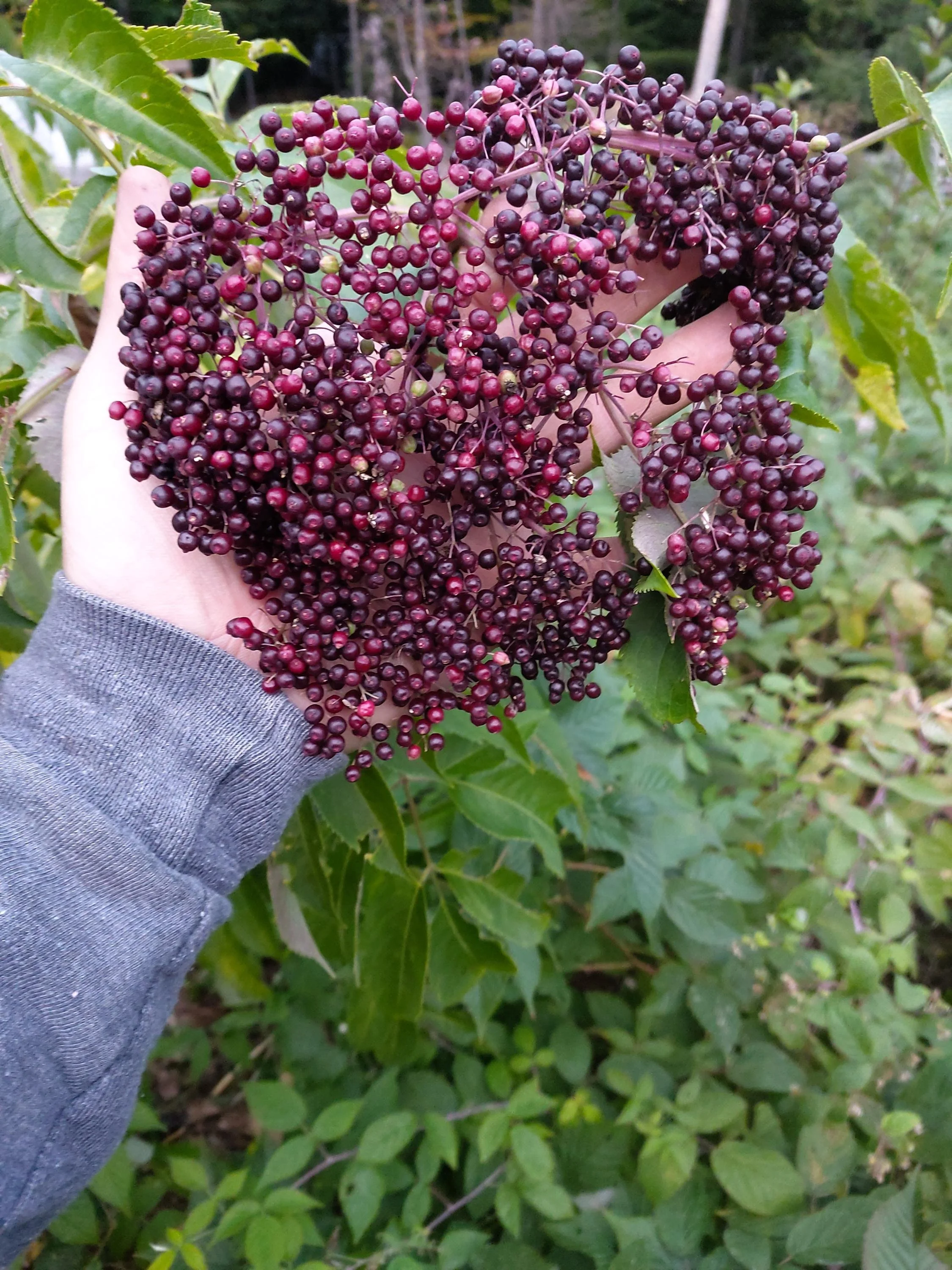 Image 2 of 8
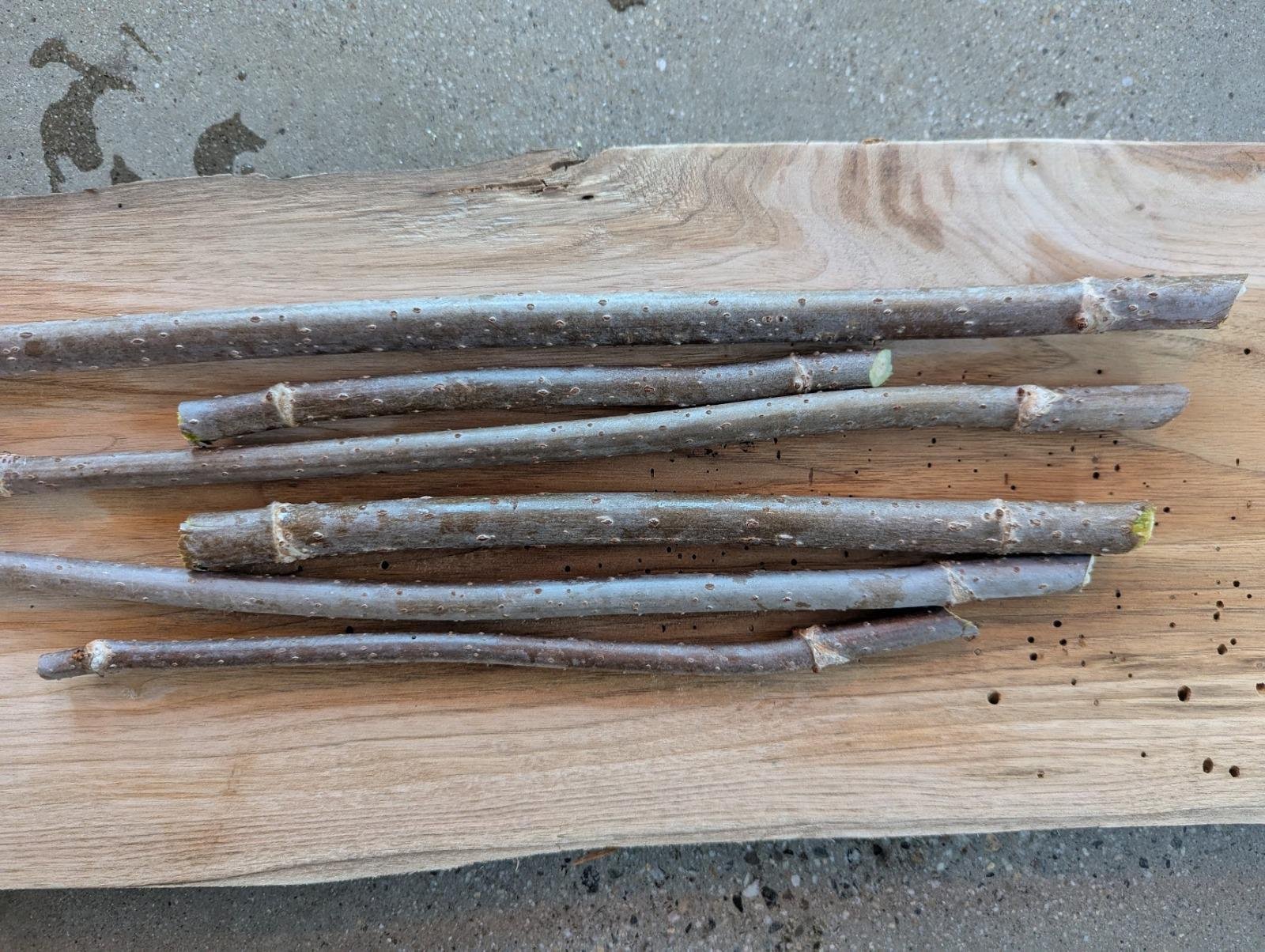 Image 3 of 8
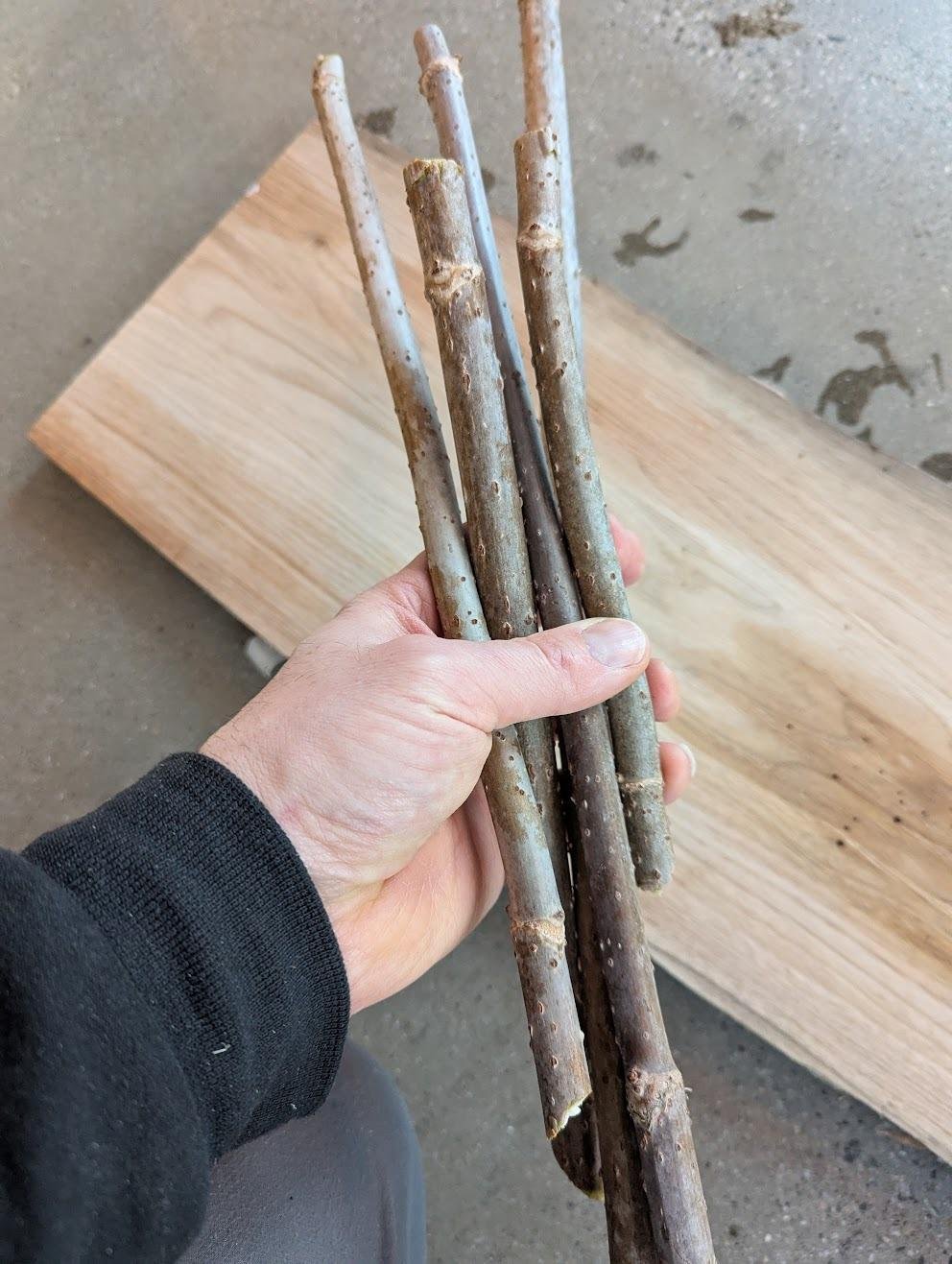 Image 4 of 8
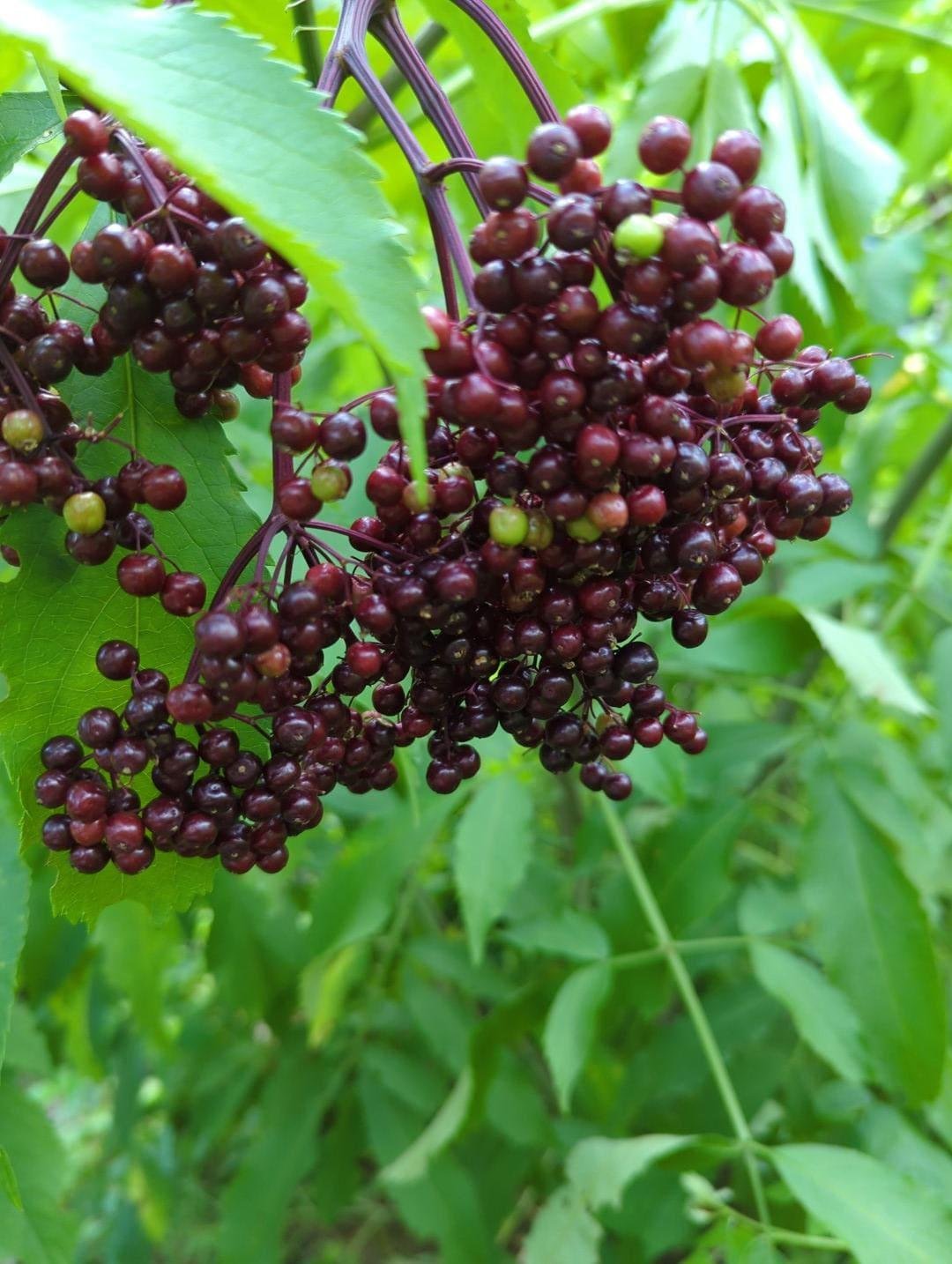 Image 5 of 8
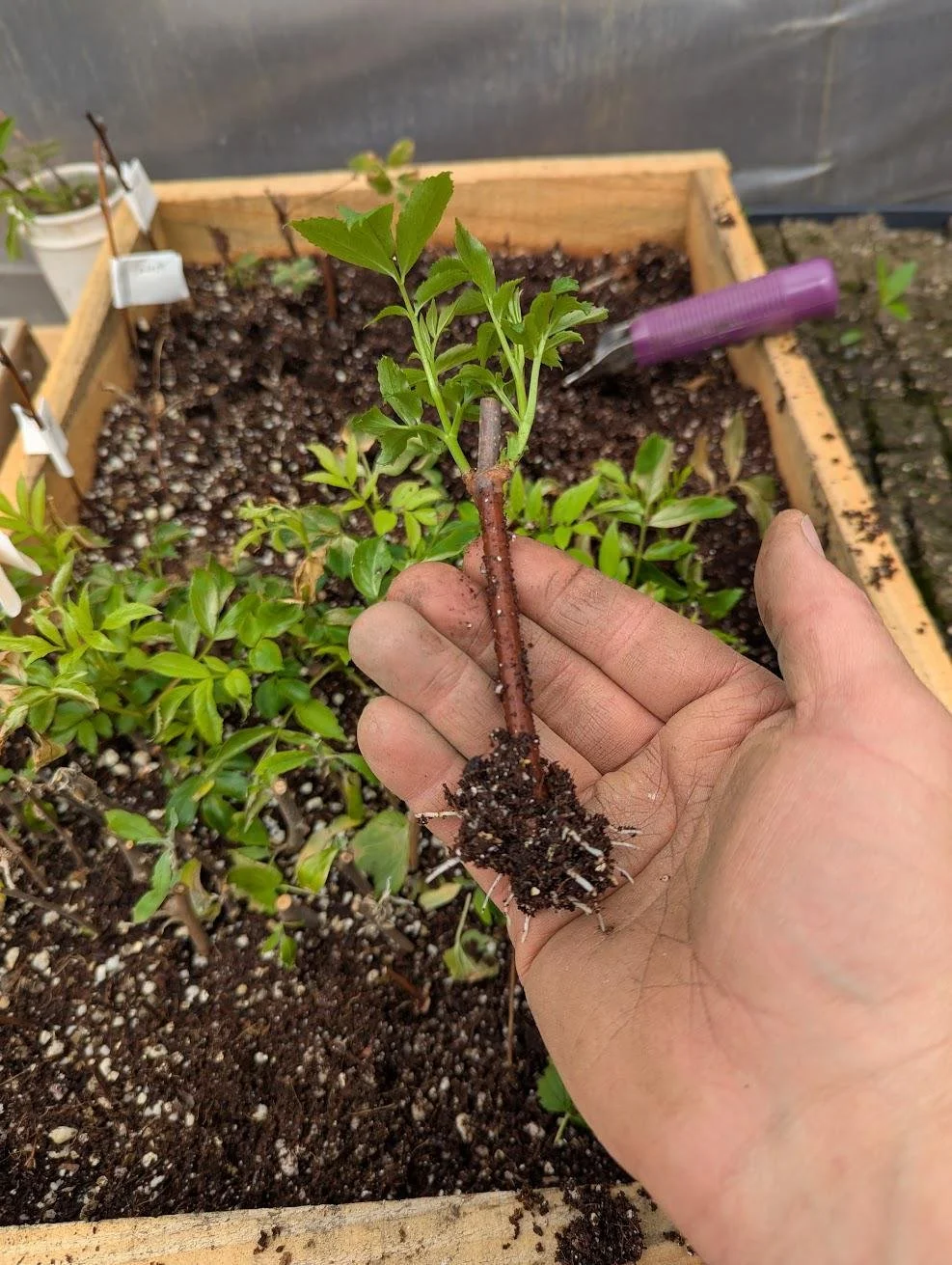 Image 6 of 8
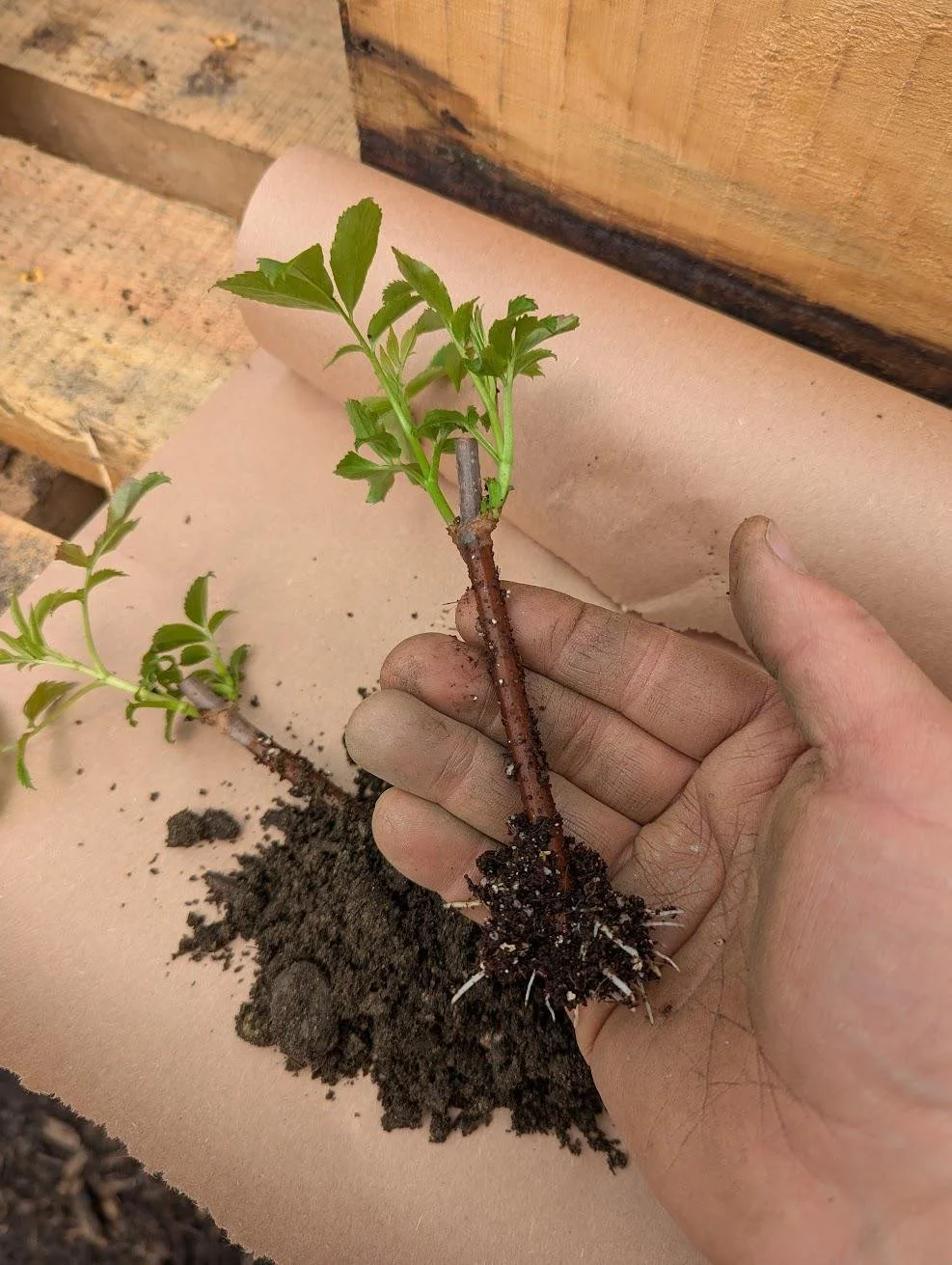 Image 7 of 8
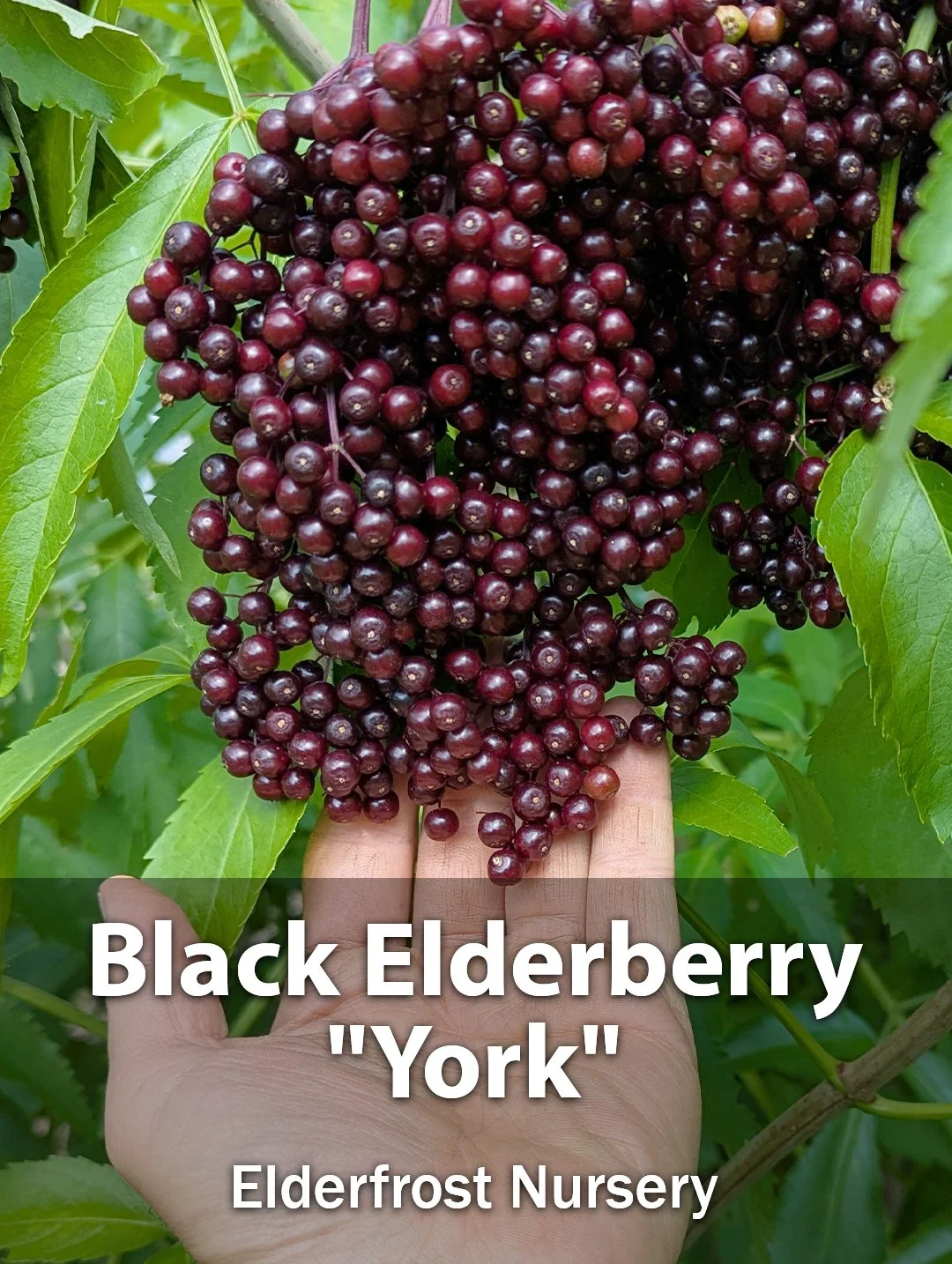 Image 8 of 8