Aronia berries, commonly called chokeberries, are small, round fruits that grow on deciduous shrubs in the Aronia genus, part of the rose family (Rosaceae). Native to North America, Aronia thrive in a range of climates (USDA zones 3-8), often reaching 3-6 feet tall, with glossy leaves and white spring flowers. The berries ripen in late summer to fall and are about the size of blueberries, though their taste is notably tart and astringent—hence the “choke” in chokeberry—due to high levels of tannins. But many find them delicious.
Our nursery uses no chemical inputs to grow our nursery plants. We only use wood chips, and cover crops.
Bulk cuttings include both larger and smaller stem sections. They are still dormant first year hardwoods and will root just as successfully. This is the only stock we use for our own propagations. Leaving the the more consistent mid-stem cuttings for sale.
Our cuttings will contain 3 or 4 nodes for the best success. Your first berries could begin in 2-3 years. With full production on year 4-5. I love to mix them with sweeter berries for making syrups and jams. They are incredibly easy to grow and care for. They also rarely exceed 6' tall which makes me wonderful in a accessible food forest context.
Aronia berries, commonly called chokeberries, are small, round fruits that grow on deciduous shrubs in the Aronia genus, part of the rose family (Rosaceae). Native to North America, Aronia thrive in a range of climates (USDA zones 3-8), often reaching 3-6 feet tall, with glossy leaves and white spring flowers. The berries ripen in late summer to fall and are about the size of blueberries, though their taste is notably tart and astringent—hence the “choke” in chokeberry—due to high levels of tannins. But many find them delicious.
Our nursery uses no chemical inputs to grow our nursery plants. We only use wood chips, and cover crops.
Bulk cuttings include both larger and smaller stem sections. They are still dormant first year hardwoods and will root just as successfully. This is the only stock we use for our own propagations. Leaving the the more consistent mid-stem cuttings for sale.
Our cuttings will contain 3 or 4 nodes for the best success. Your first berries could begin in 2-3 years. With full production on year 4-5. I love to mix them with sweeter berries for making syrups and jams. They are incredibly easy to grow and care for. They also rarely exceed 6' tall which makes me wonderful in a accessible food forest context.

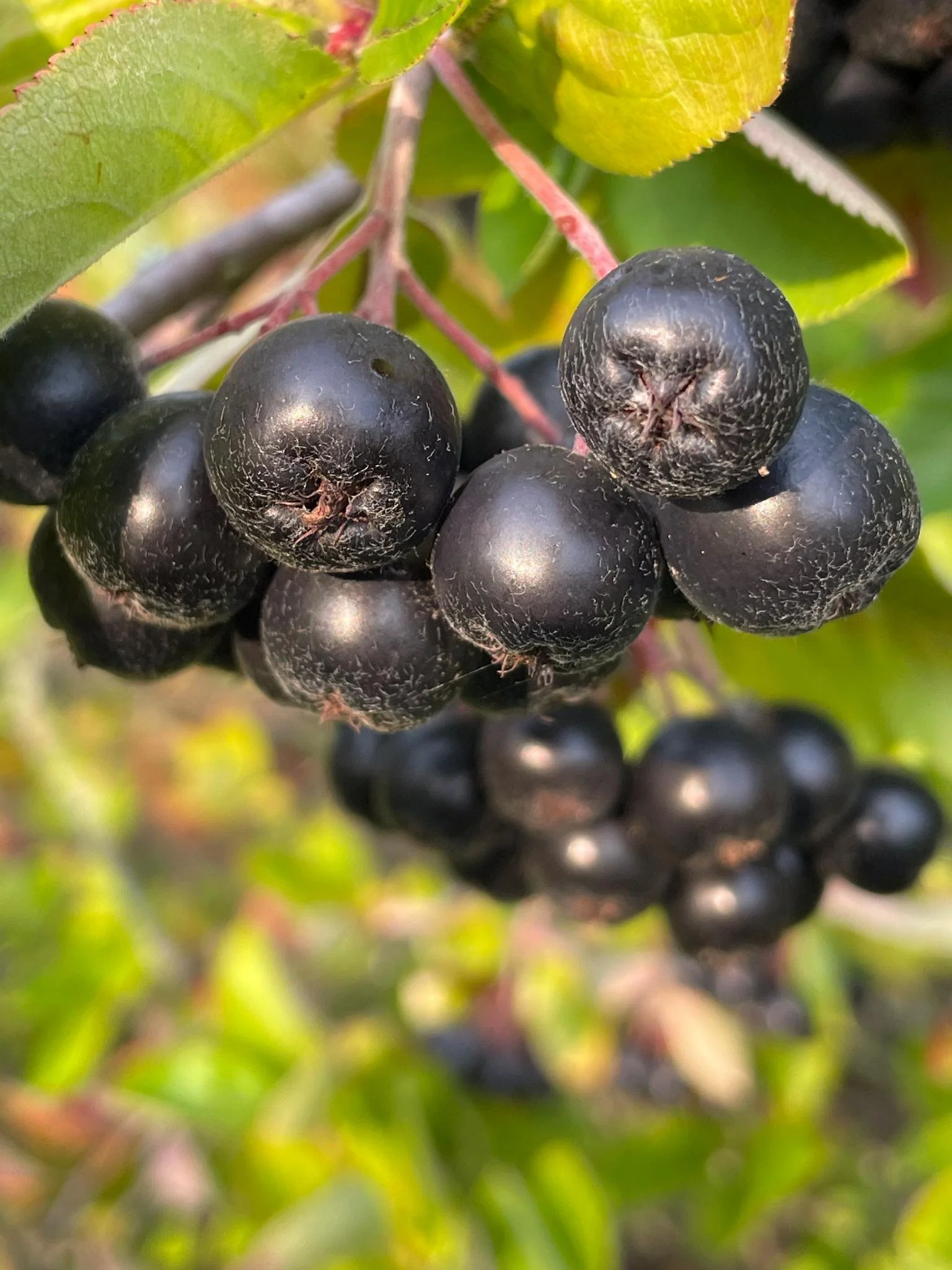 Image 1 of 10
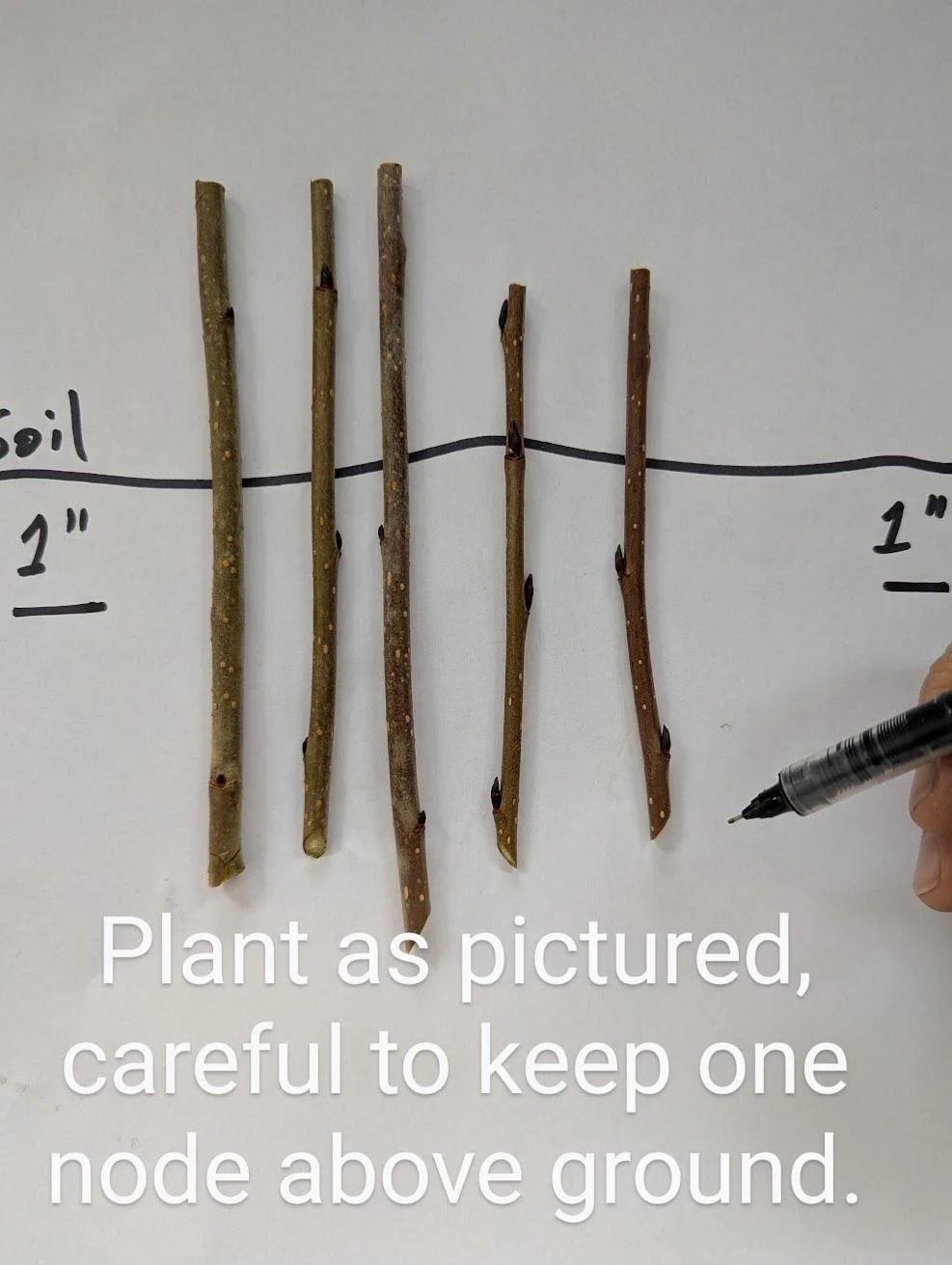 Image 2 of 10
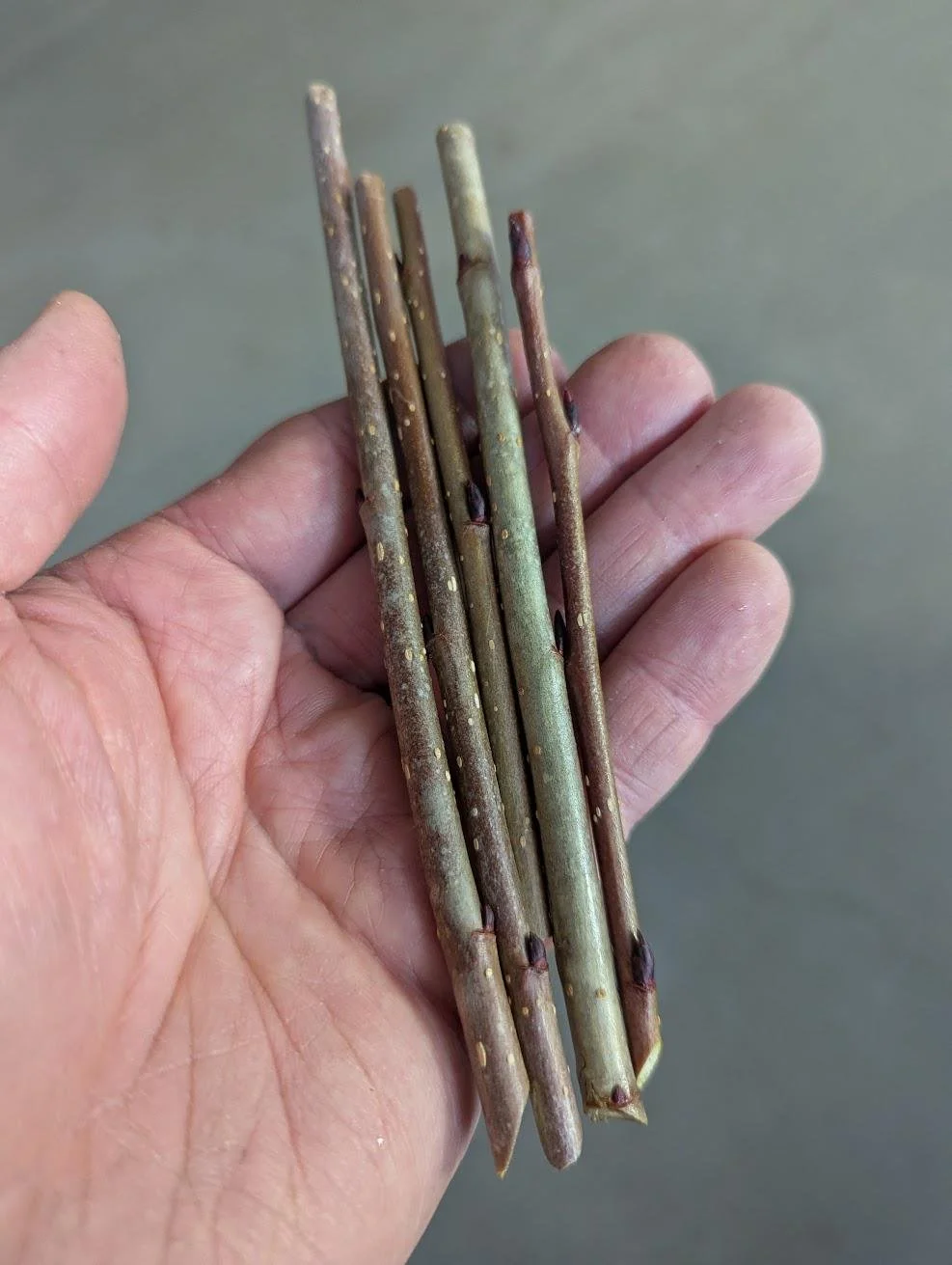 Image 3 of 10
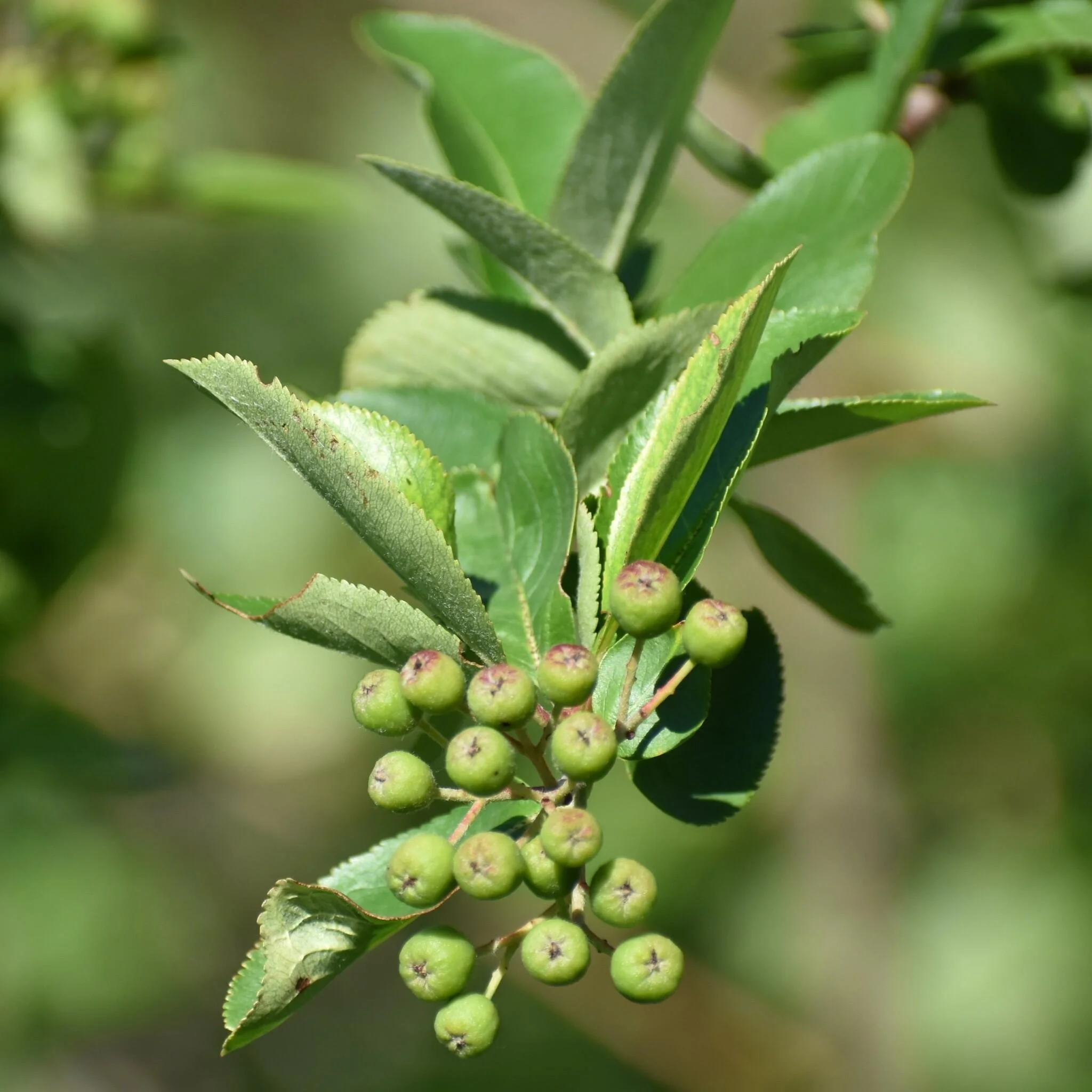 Image 4 of 10
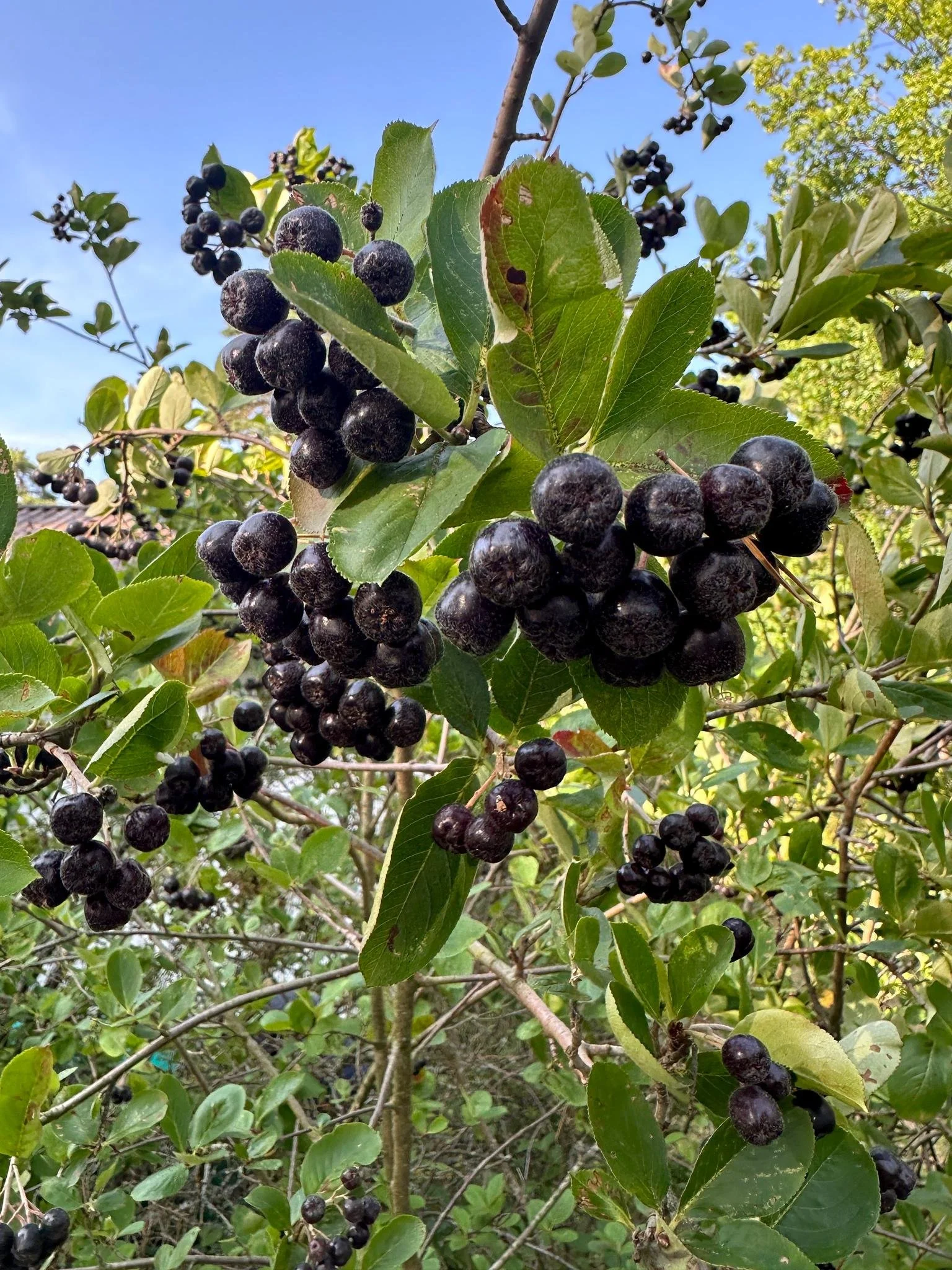 Image 5 of 10
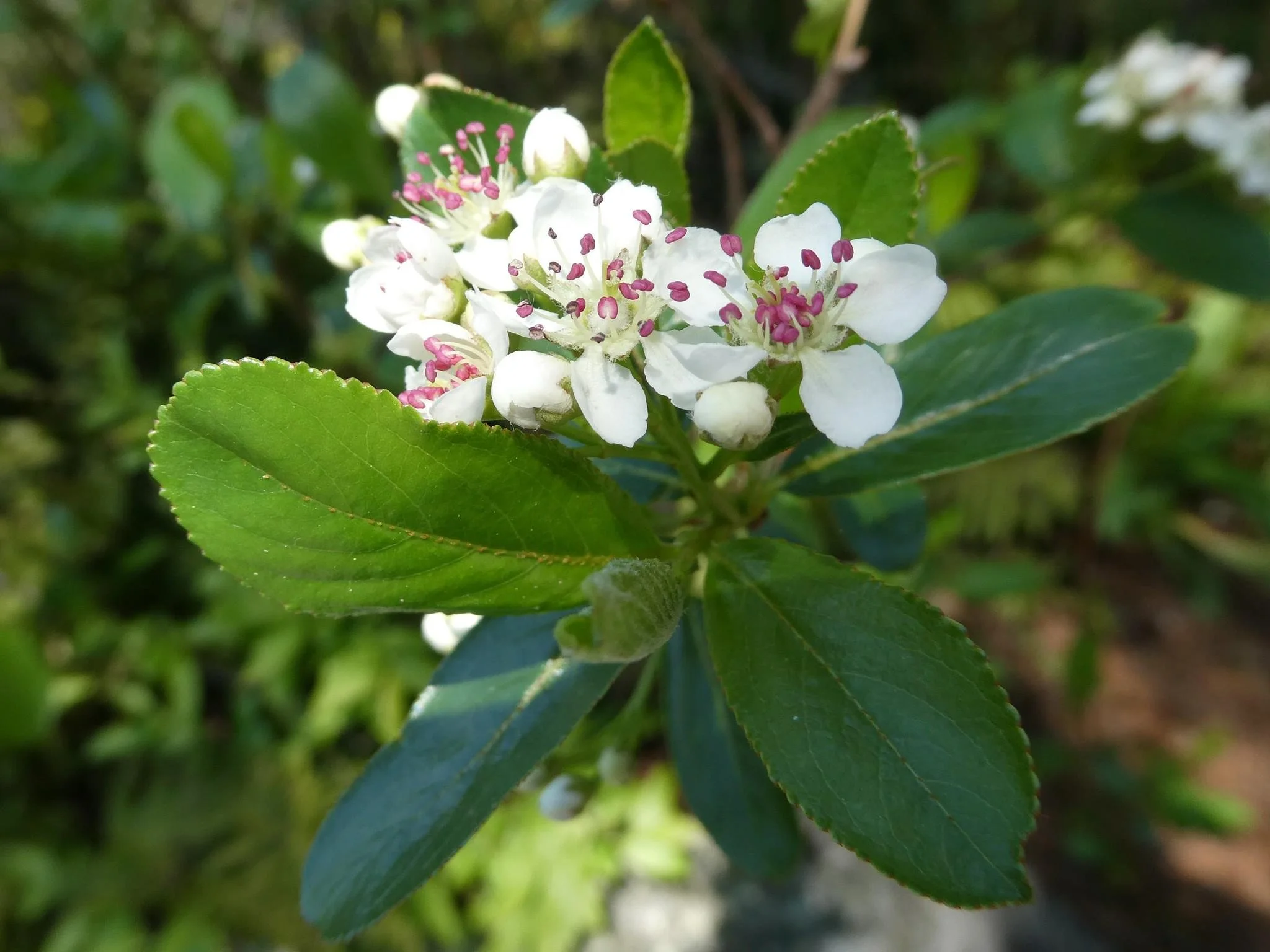 Image 6 of 10
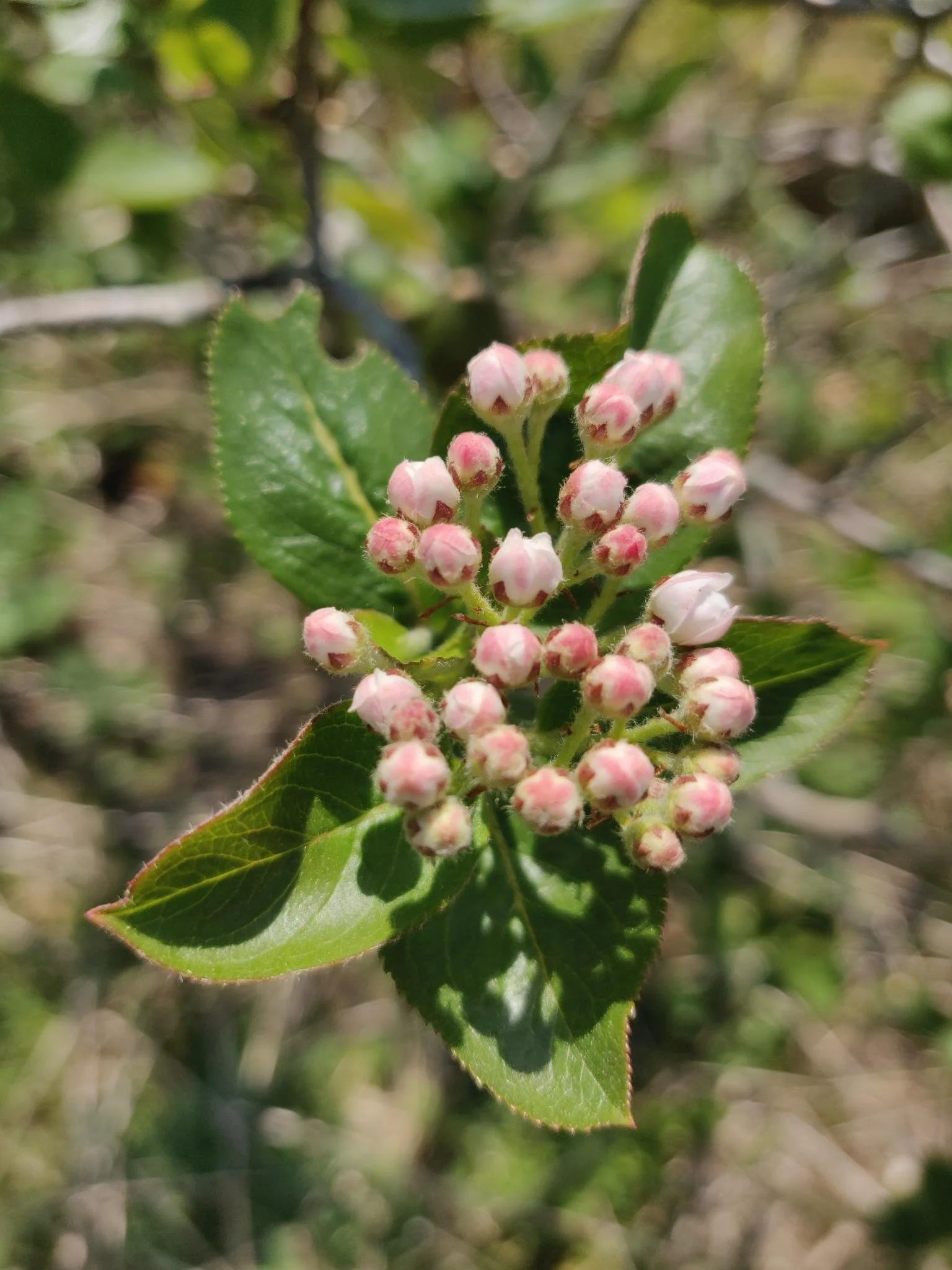 Image 7 of 10
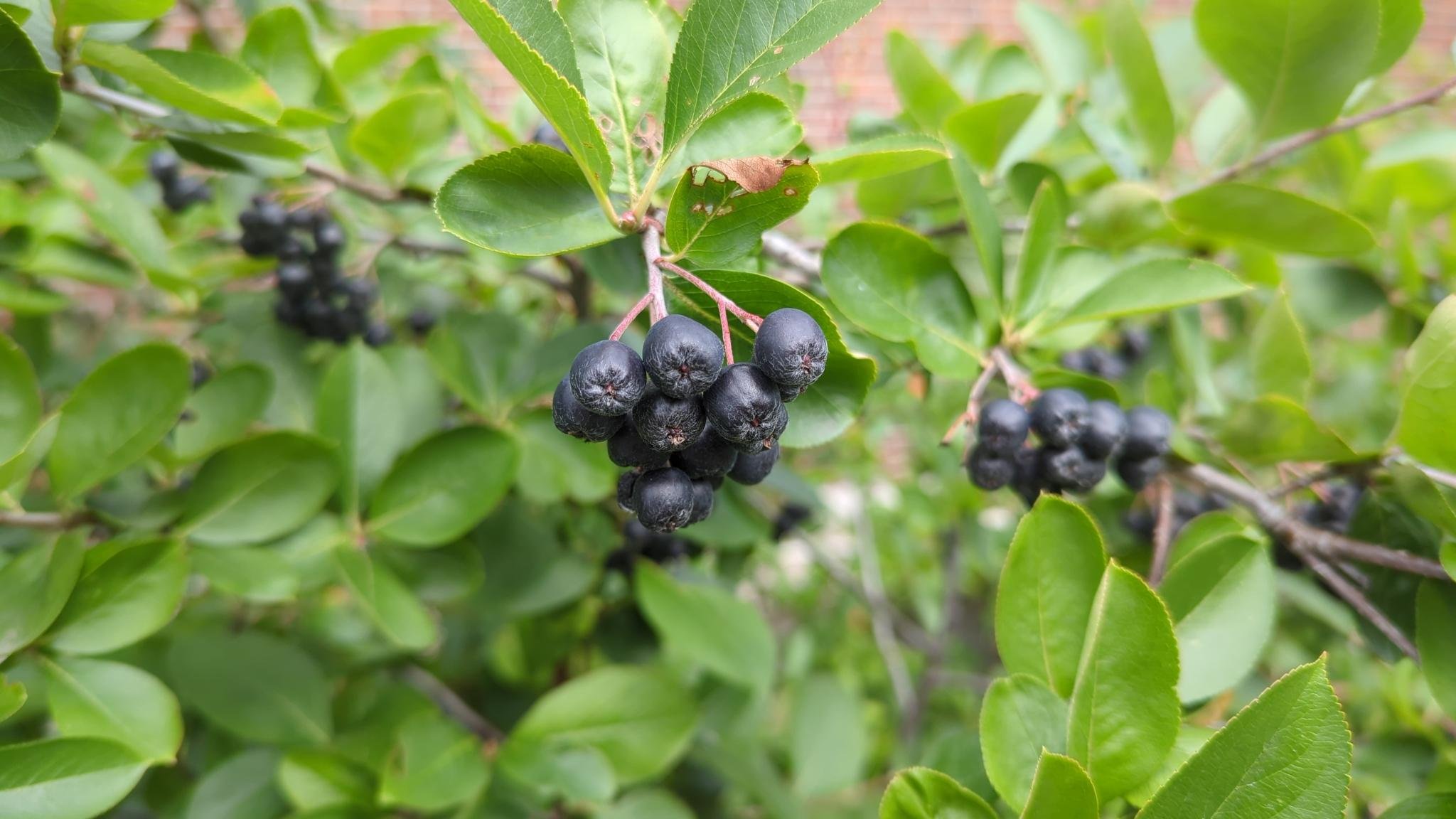 Image 8 of 10
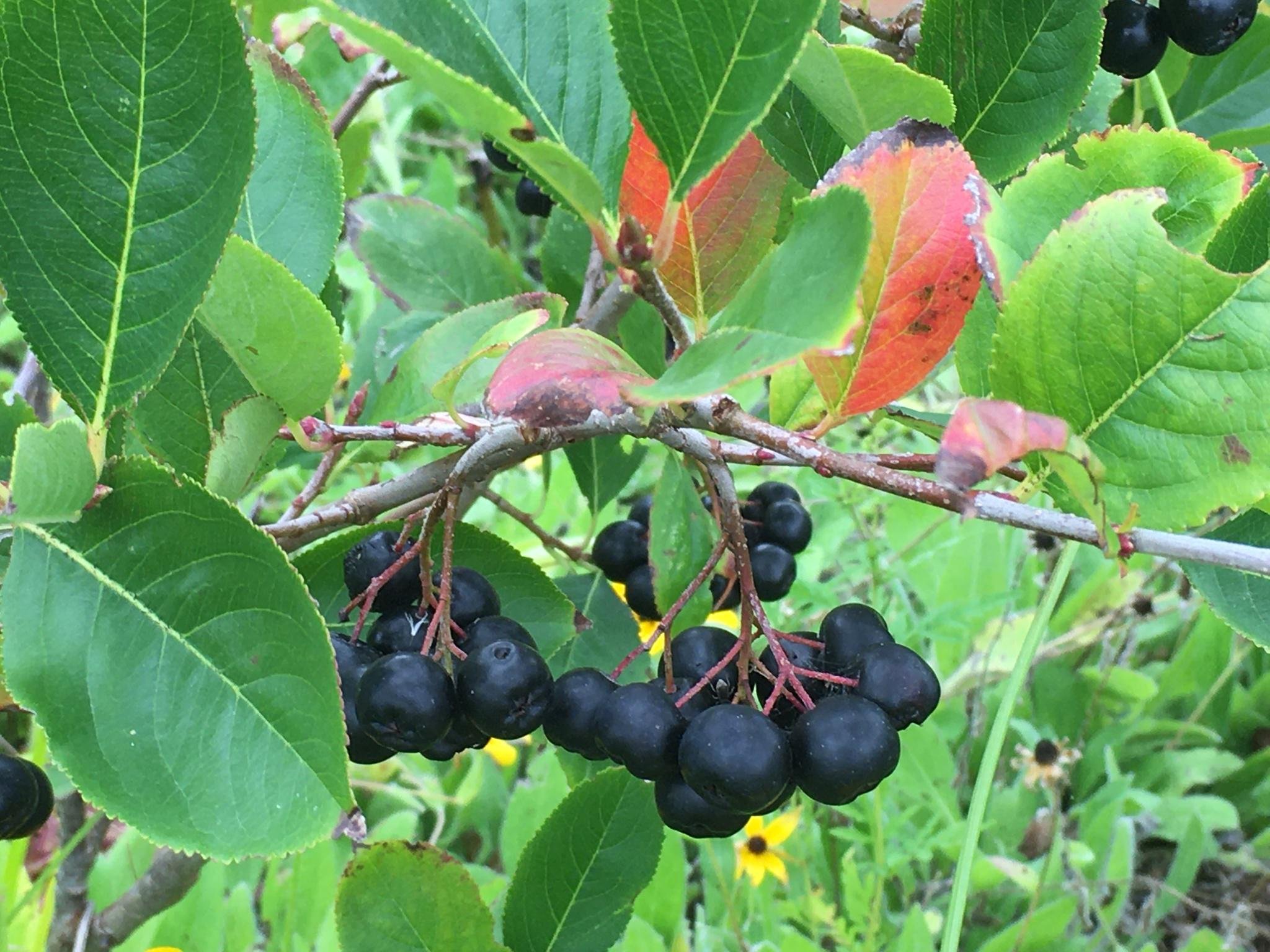 Image 9 of 10
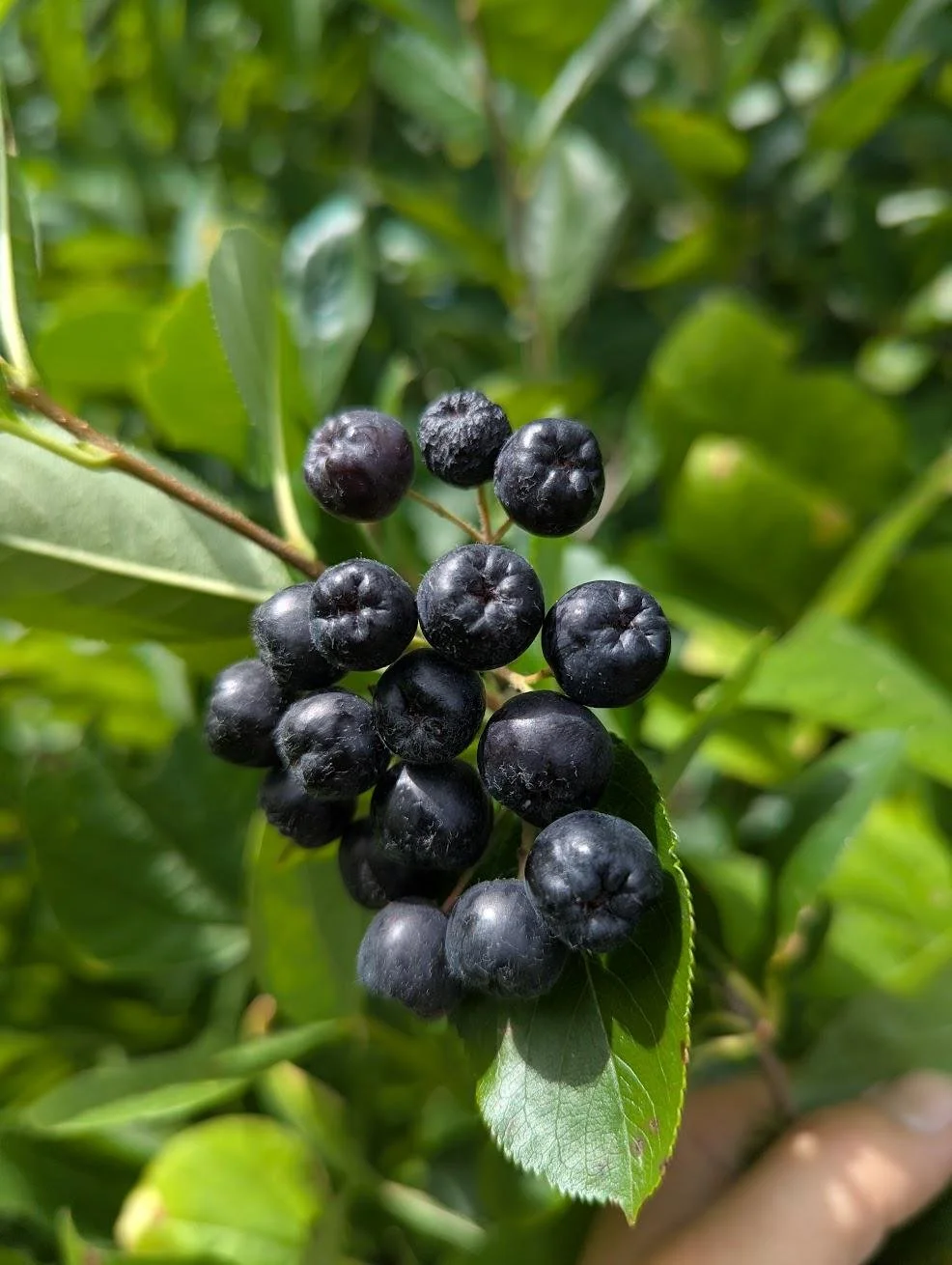 Image 10 of 10