American Black Elderberry Cuttings or Plants: Wild-Type Propagation
sold out
[Late Winter/Early Spring 2026 Nursery Update!]
We are still in the thick of winter here, with 1–2 feet of snow on the ground and single digit nighttime temperatures. While we aim to maintain a fast shipping schedule, our top priority is protecting your plants. We will harvest, process, and ship orders only during windows of mild weather to ensure your cuttings and plants arrive safely. (We cannot wait for temps to go above freezing!)
We can’t wait for the growing season to begin!
Nearly all named cultivars of elderberry are simply selections of native or wild strains with specific desirable traits. One of the primary goals of our nursery is to continue this tradition in meaningful ways. Unselected or wild-type elderberries purchased from us will come from a diverse array of cuttings or plants in our collection, ensuring the highest possible genetic diversity in your order.
Benefits of Wild-Type Elderberries:
Help increase cross-pollination windows and support pollinator populations.
Lower costs allow you to establish a larger orchard more quickly.
Greater genetic diversity can enhance orchard resilience to varying weather conditions.
It is a common misconception that only named cultivars produce the best or most berries. When you plant a specific cultivar of elderberry, you are planting a clone with a defined set of traits, such as larger individual berries or a specific bush height. While this consistency can be advantageous depending on your orchard goals, planting diverse, wild-type elderberries is ideal for quickly establishing a robust and diverse elderberry population.
Size: Typically grows 6–12 feet tall and wide, depending on growing conditions
Hardiness Zone: 3–9
Growing Conditions
Light: Prefers full sun to partial shade
Soil: Tolerates a range of soil types but thrives in moist, well-drained soil with high organic matter
pH: Prefers slightly acidic to neutral soil (pH 5.5–7.5)
Water: Requires consistent moisture, especially during establishment and fruiting
Our Elderberries!
**Grade A Cuttings: Typically pinky- to thumb-thick and 6–14 inches long. These premium cuttings are ideal for reliable propagation. Their larger size allows direct planting into firm ground without tools. The larger size also makes them easy to locate as other plants grow around them later in the season.
**Bulk/Grade B Cuttings: A mix of larger and smaller cuttings, With 1 or 2 nodes. Cost-effective for establishing larger quantities, these are used for our own nursery stock propagation.
**Rooted Cuttings: Cuttings rooted in sterile soil, shipped in 2–3" paper pots/plugs. These grow quickly at this stage.
**First-Year Live Plants: Large, well-established first-year plants, typically in 3–4" deep pots. These plants, usually 1–2 feet tall, develop into large, semi-mature bushes by the next growing season.
[Late Winter/Early Spring 2026 Nursery Update!]
We are still in the thick of winter here, with 1–2 feet of snow on the ground and single digit nighttime temperatures. While we aim to maintain a fast shipping schedule, our top priority is protecting your plants. We will harvest, process, and ship orders only during windows of mild weather to ensure your cuttings and plants arrive safely. (We cannot wait for temps to go above freezing!)
We can’t wait for the growing season to begin!
Nearly all named cultivars of elderberry are simply selections of native or wild strains with specific desirable traits. One of the primary goals of our nursery is to continue this tradition in meaningful ways. Unselected or wild-type elderberries purchased from us will come from a diverse array of cuttings or plants in our collection, ensuring the highest possible genetic diversity in your order.
Benefits of Wild-Type Elderberries:
Help increase cross-pollination windows and support pollinator populations.
Lower costs allow you to establish a larger orchard more quickly.
Greater genetic diversity can enhance orchard resilience to varying weather conditions.
It is a common misconception that only named cultivars produce the best or most berries. When you plant a specific cultivar of elderberry, you are planting a clone with a defined set of traits, such as larger individual berries or a specific bush height. While this consistency can be advantageous depending on your orchard goals, planting diverse, wild-type elderberries is ideal for quickly establishing a robust and diverse elderberry population.
Size: Typically grows 6–12 feet tall and wide, depending on growing conditions
Hardiness Zone: 3–9
Growing Conditions
Light: Prefers full sun to partial shade
Soil: Tolerates a range of soil types but thrives in moist, well-drained soil with high organic matter
pH: Prefers slightly acidic to neutral soil (pH 5.5–7.5)
Water: Requires consistent moisture, especially during establishment and fruiting
Our Elderberries!
**Grade A Cuttings: Typically pinky- to thumb-thick and 6–14 inches long. These premium cuttings are ideal for reliable propagation. Their larger size allows direct planting into firm ground without tools. The larger size also makes them easy to locate as other plants grow around them later in the season.
**Bulk/Grade B Cuttings: A mix of larger and smaller cuttings, With 1 or 2 nodes. Cost-effective for establishing larger quantities, these are used for our own nursery stock propagation.
**Rooted Cuttings: Cuttings rooted in sterile soil, shipped in 2–3" paper pots/plugs. These grow quickly at this stage.
**First-Year Live Plants: Large, well-established first-year plants, typically in 3–4" deep pots. These plants, usually 1–2 feet tall, develop into large, semi-mature bushes by the next growing season.

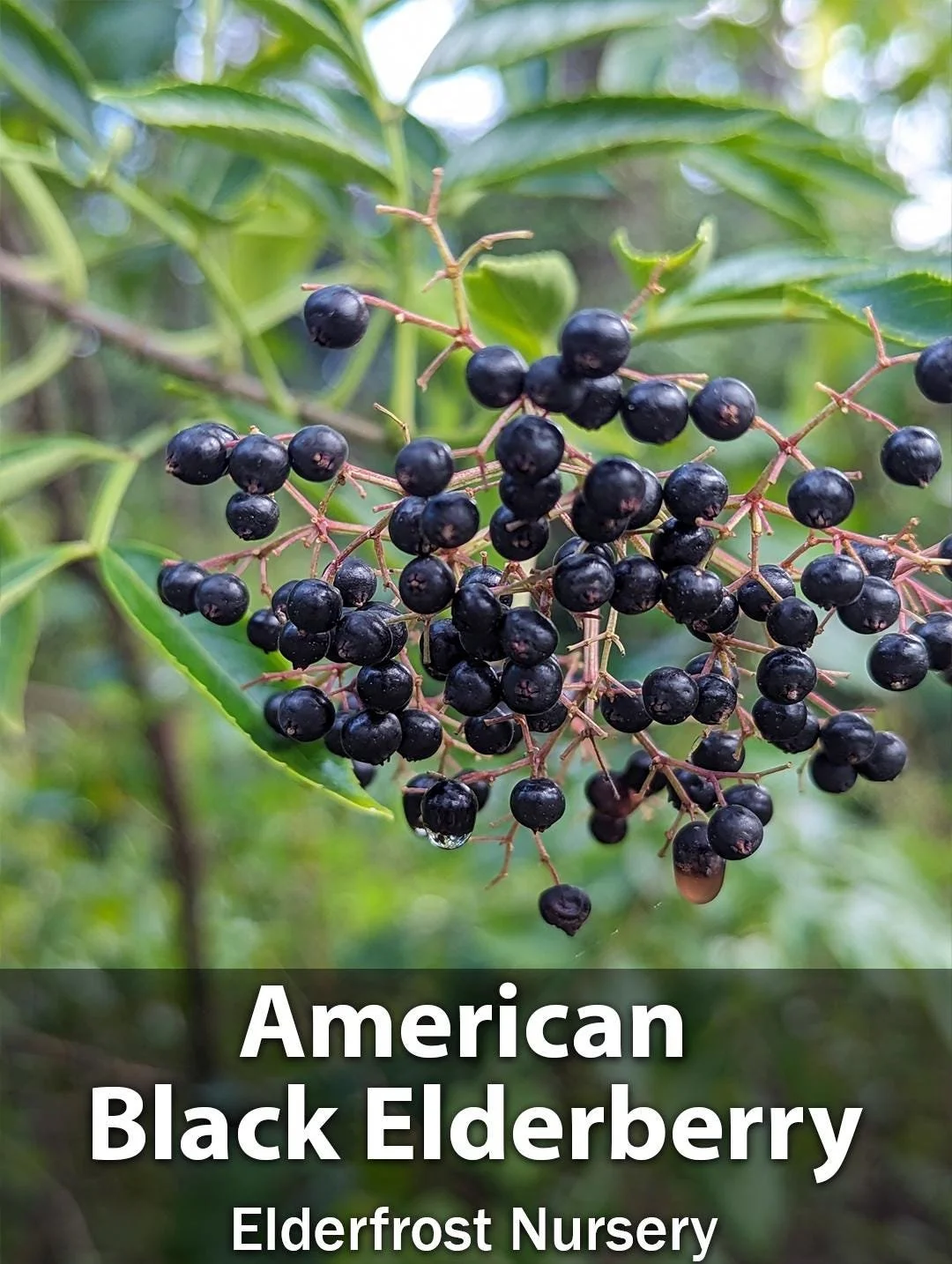 Image 1 of 12
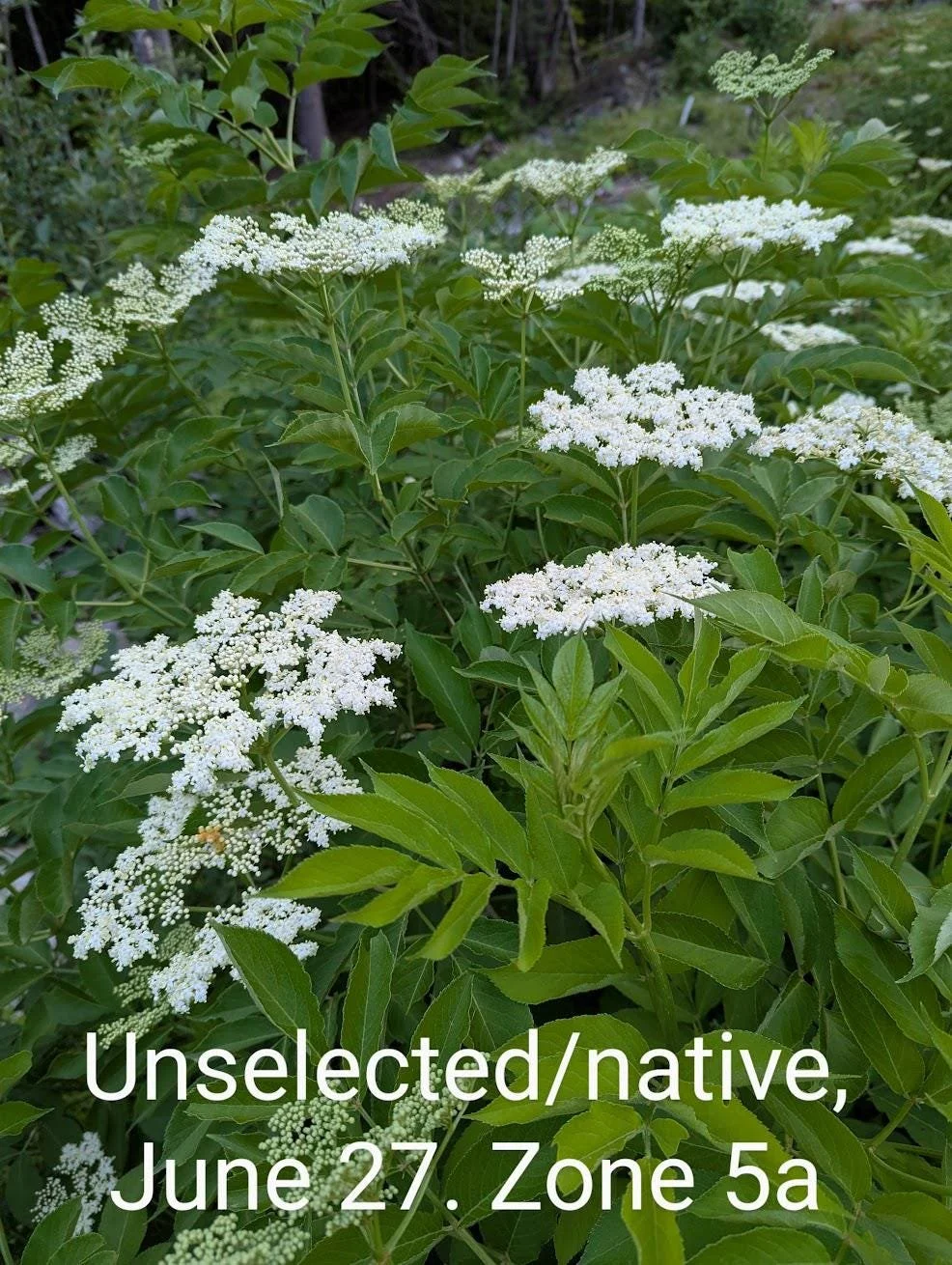 Image 2 of 12
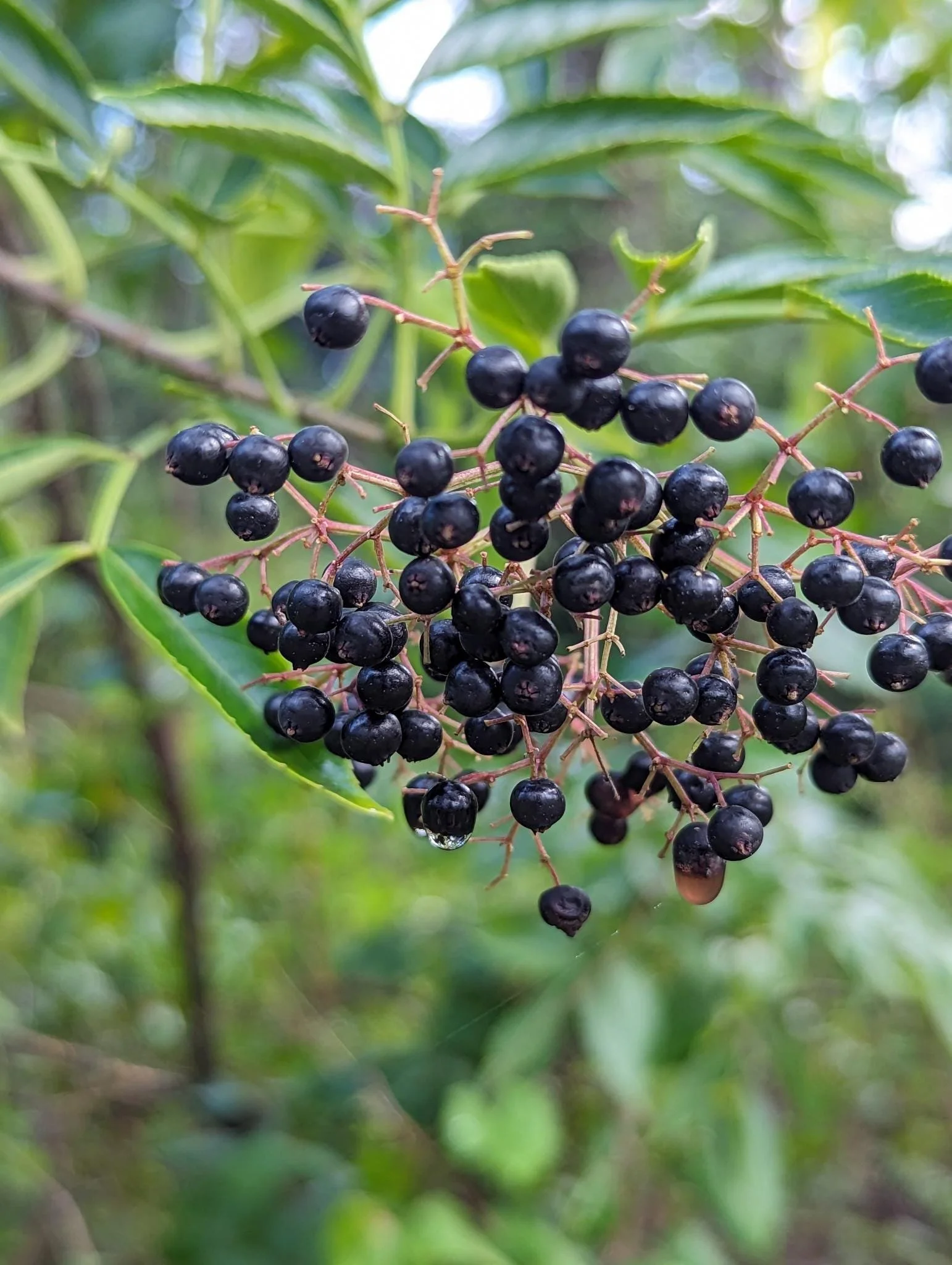 Image 3 of 12
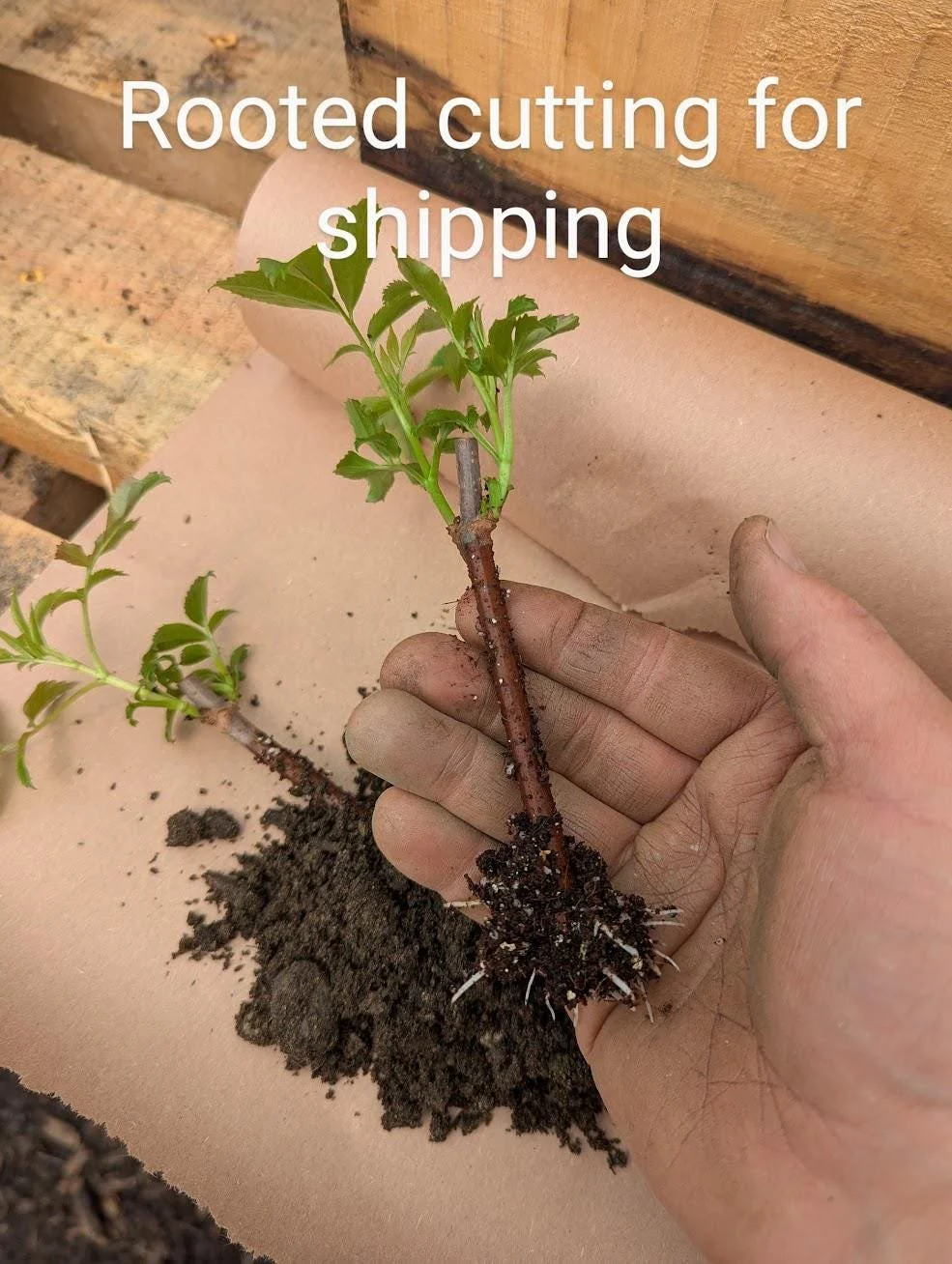 Image 4 of 12
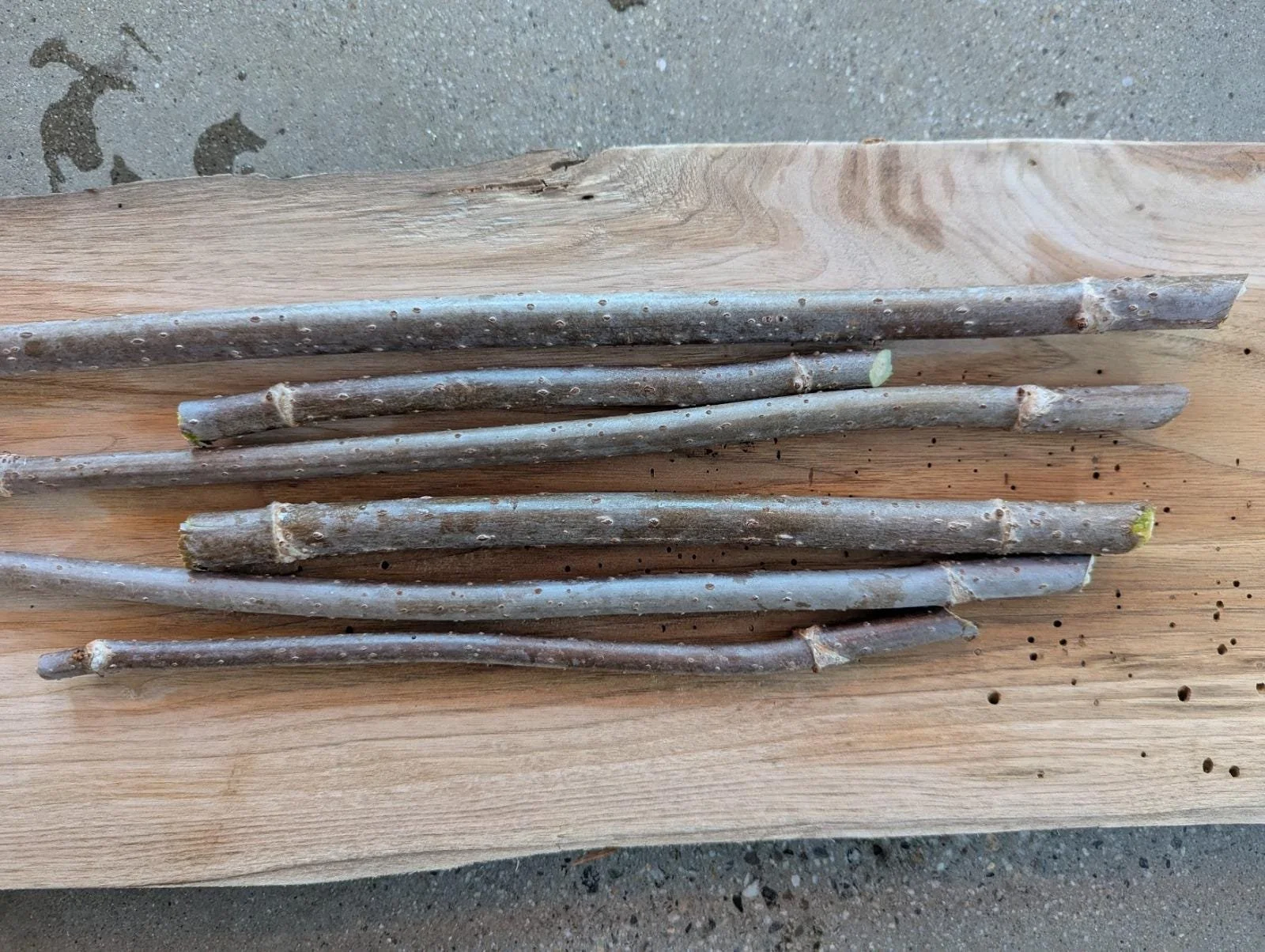 Image 5 of 12
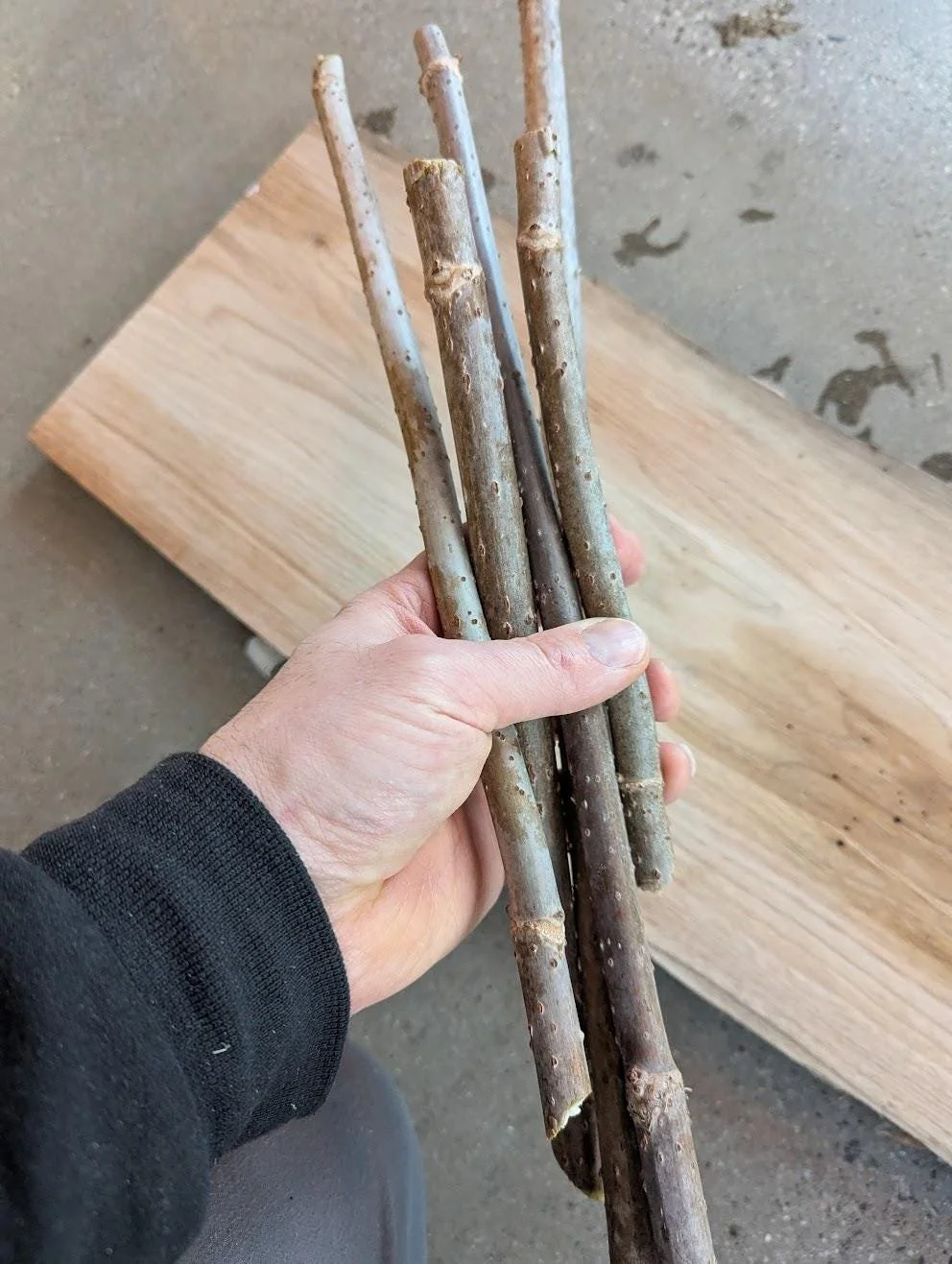 Image 6 of 12
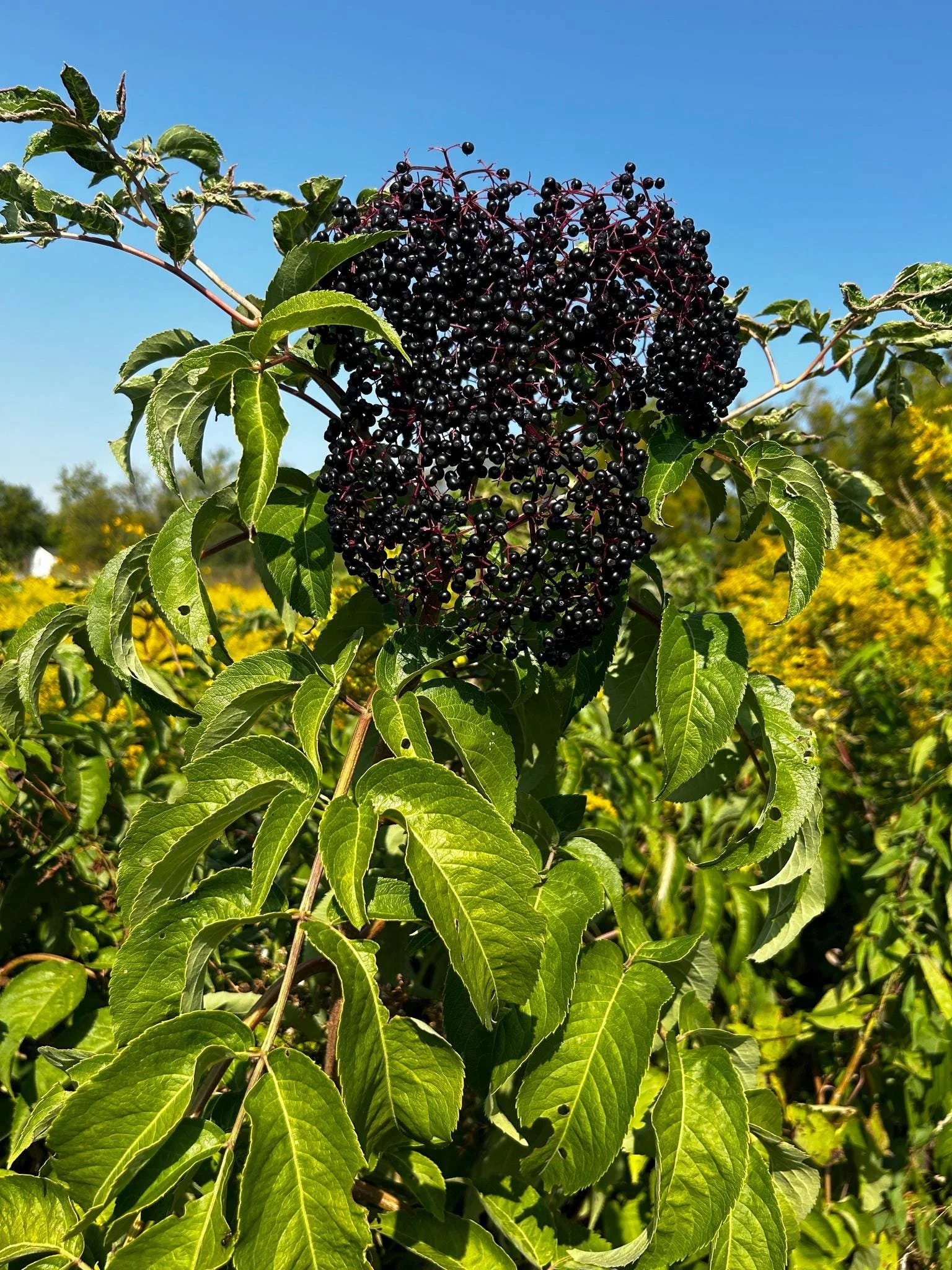 Image 7 of 12
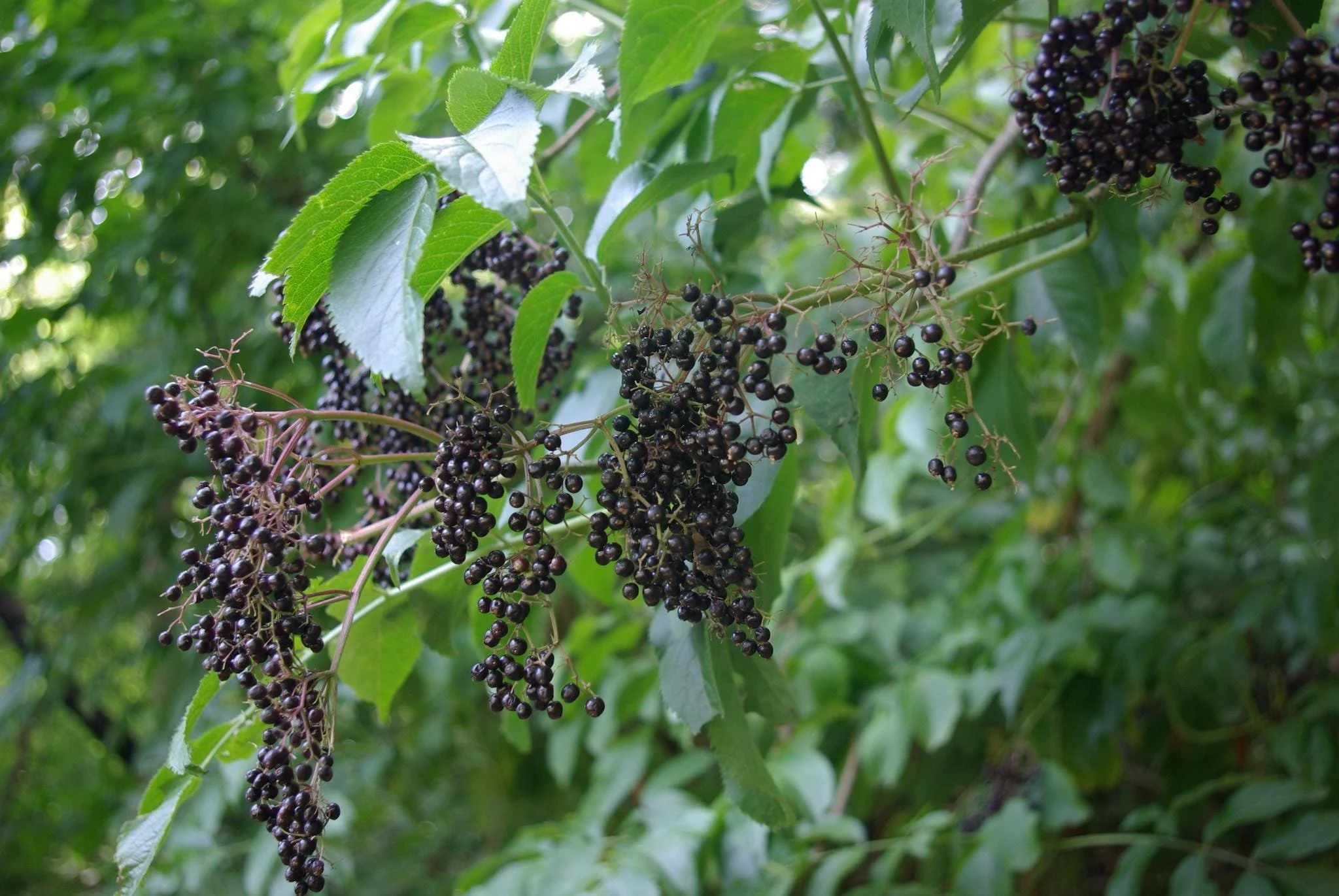 Image 8 of 12
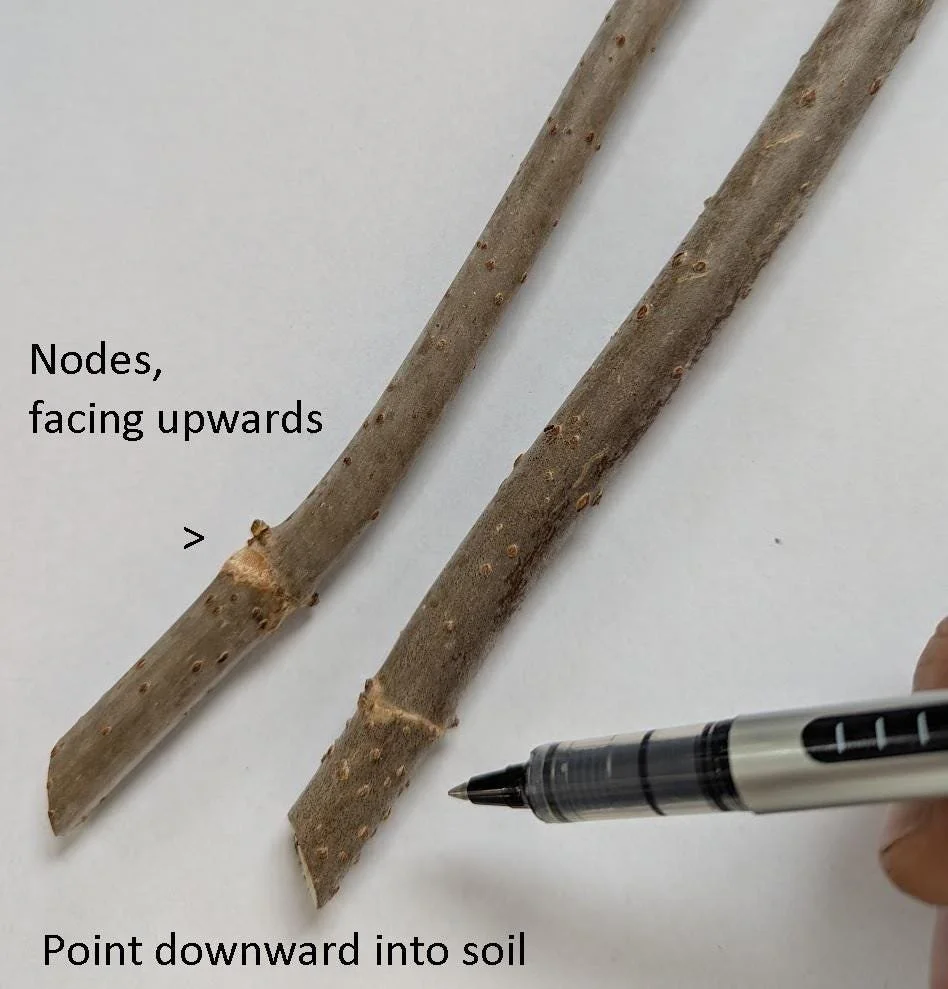 Image 9 of 12
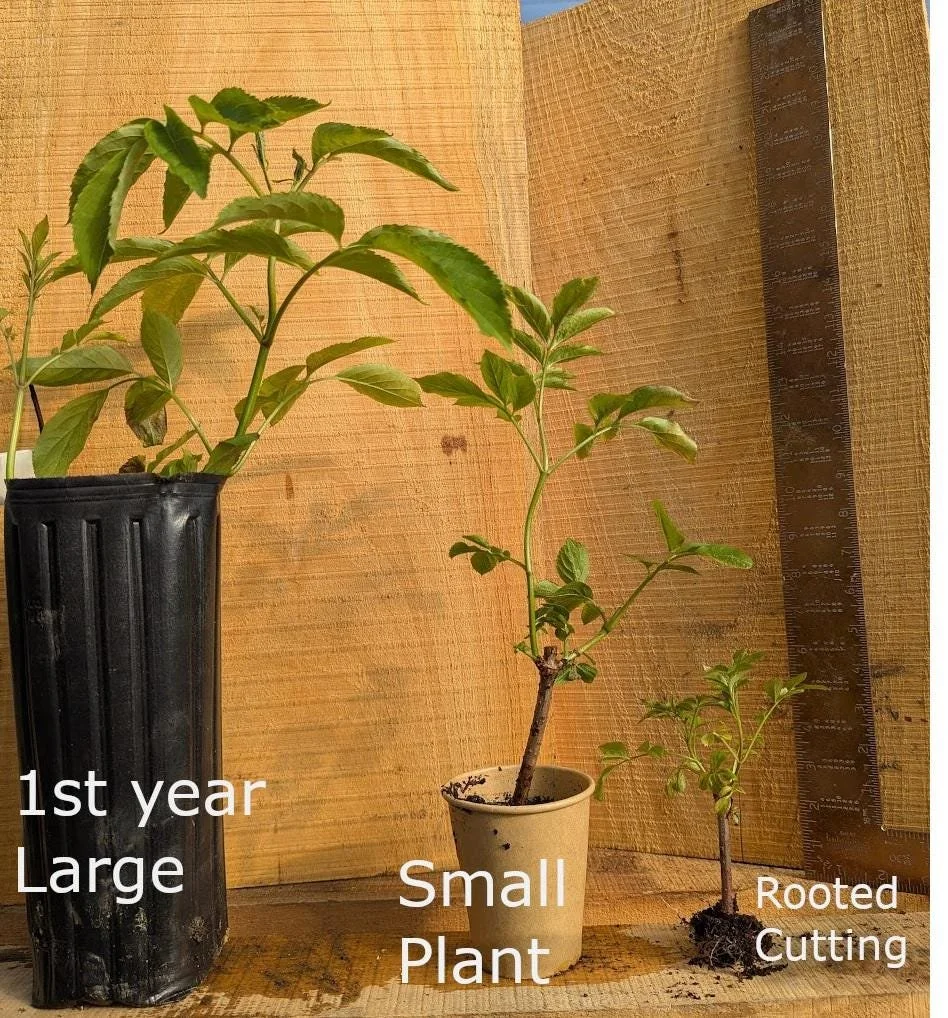 Image 10 of 12
 Image 11 of 12
 Image 12 of 12