
 Image 1 of 4
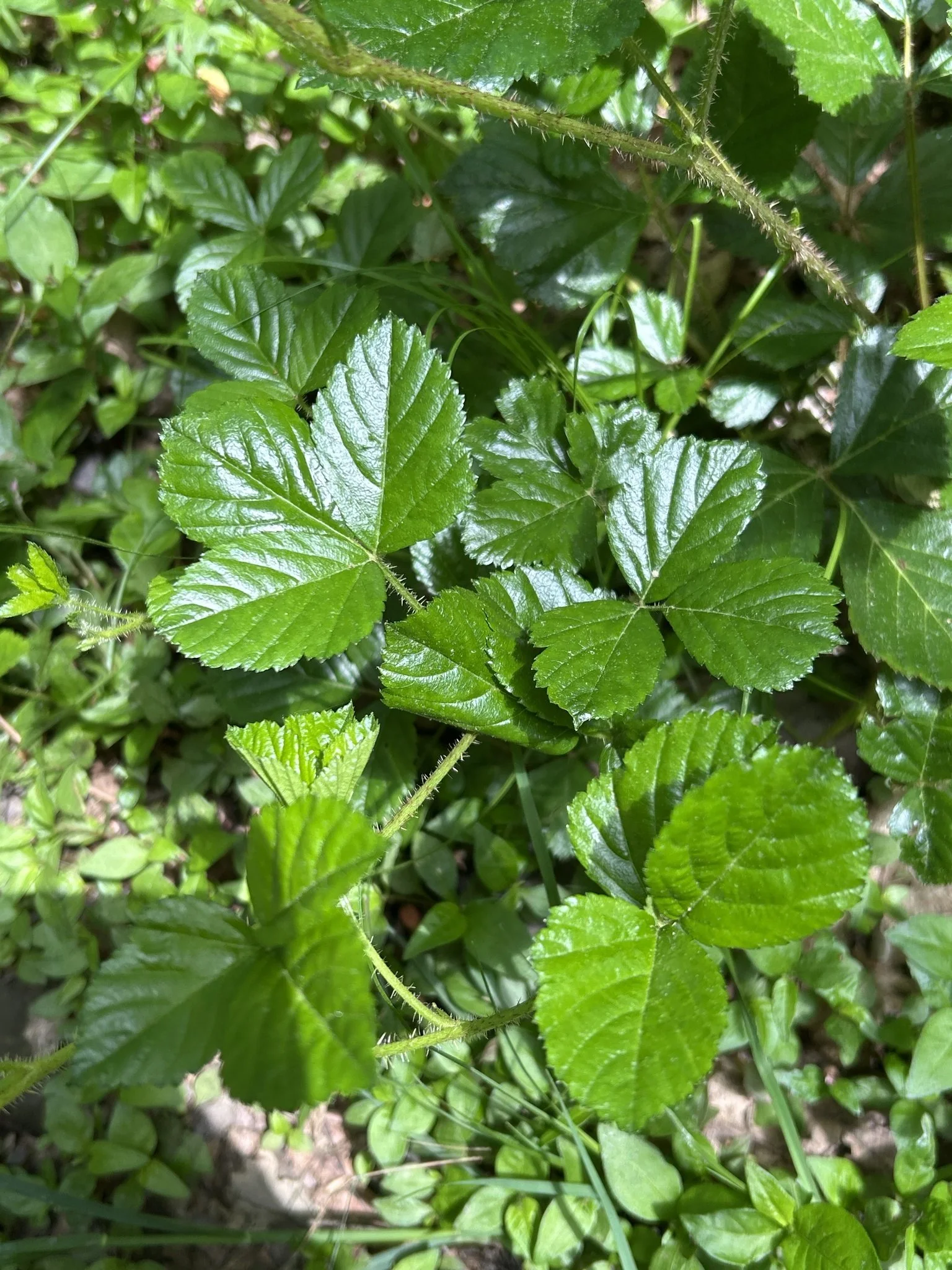 Image 2 of 4
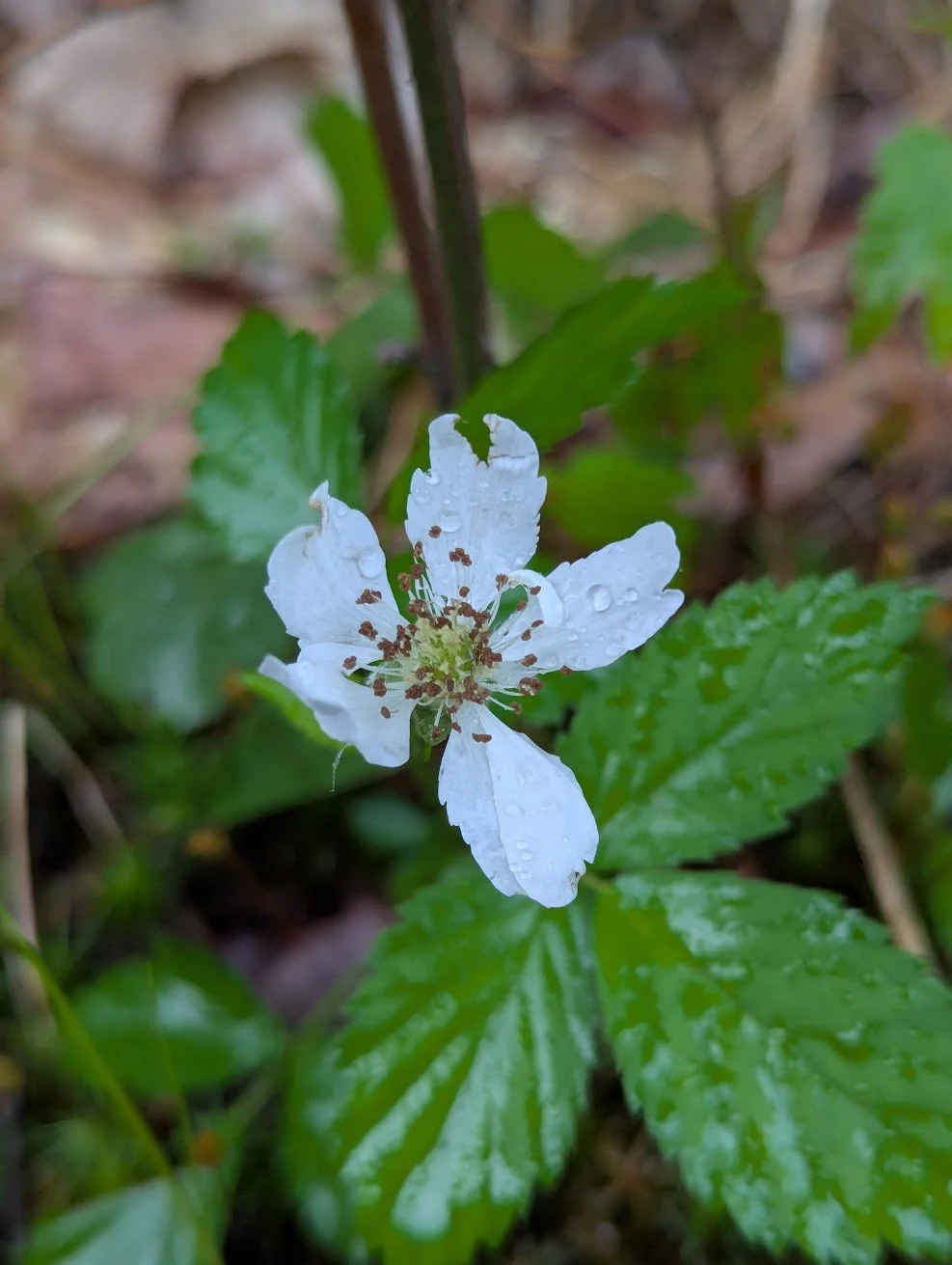 Image 3 of 4
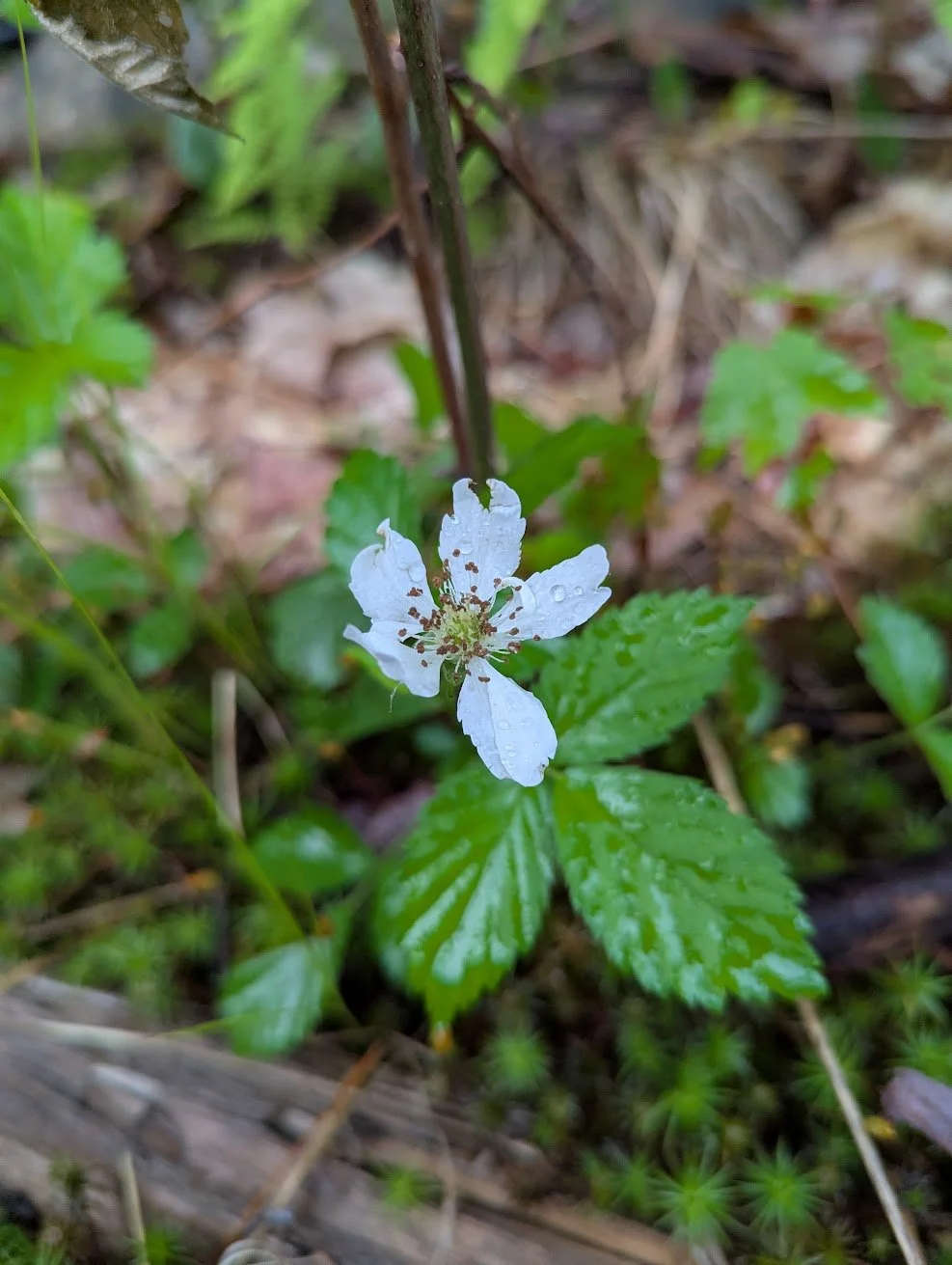 Image 4 of 4
(Rubus hispidus)
June is finally here! May hit us with wild swings of 80-degree days, nights in the upper 30s, and even 3 inches of rain in 24 hours—which our moisture-loving swamp dewberries absolutely loved! Our plants are pushing hard, blooming, and bringing the promise of a bountiful summer.
While we aim to maintain a fast shipping schedule, our top priority is protecting your plants. We harvest, process, and mail orders when young plants are ready for shipping (which may mean your order takes a few extra days), ensuring your cuttings and plants arrive safely.
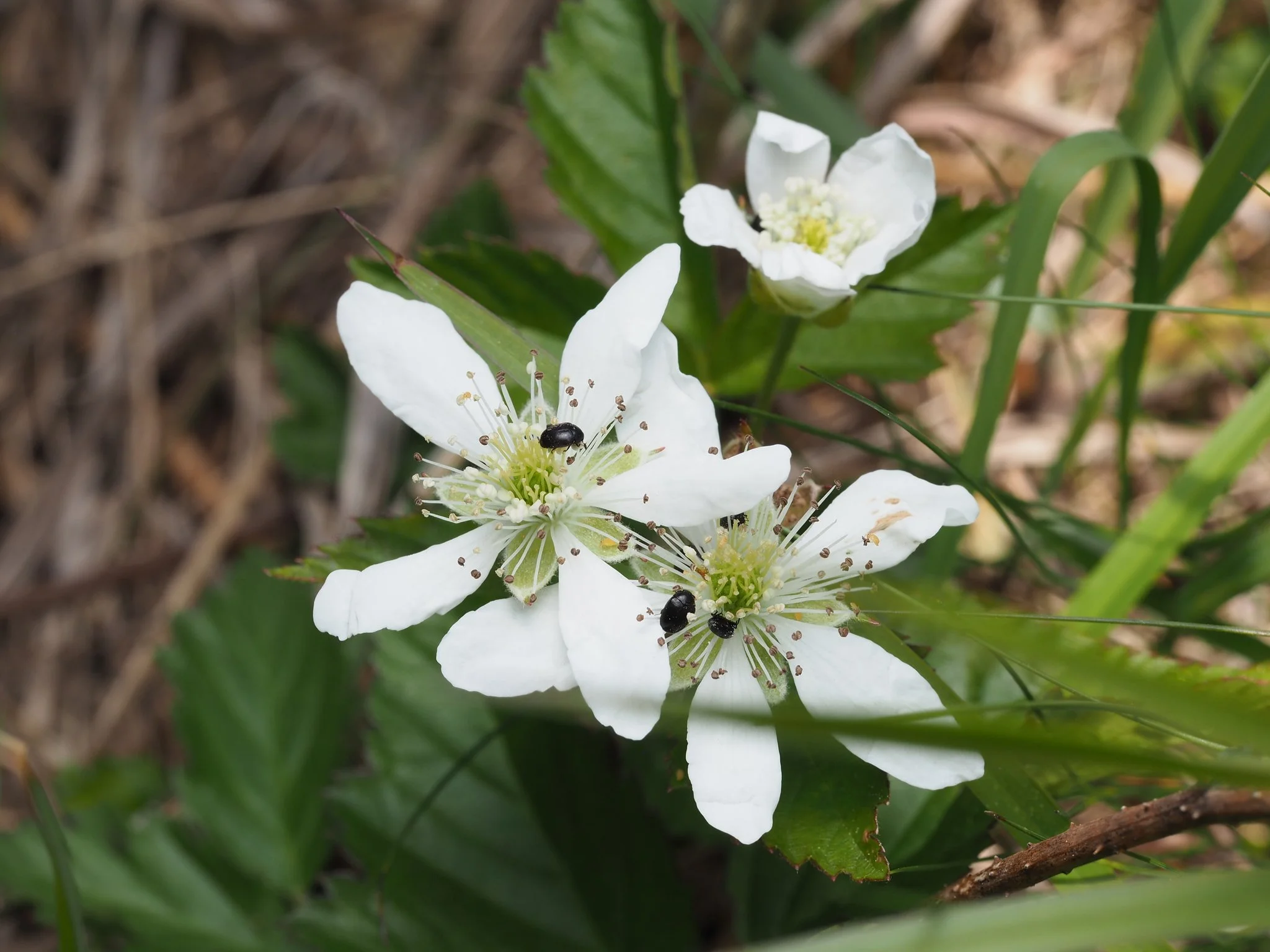
Native New England Swamp Dewberry (Rubus hispidus) is a low-growing, trailing relative of the blackberry, perfectly adapted to the damp and acidic soils of the Northeast. Instead of growing upright, this unique ground cover forms a lush, creeping carpet of glossy, semi-evergreen foliage that turns stunning shades of purple and red in the winter. In mid-summer, it produces delicate white flowers followed by small, glossy, deep purple-to-black berries bursting with a rich, complex, sweet-tart flavor. They are an absolute hidden gem for wild jams, pies, or fresh foraging.
Permaculture Note: While typical raspberries prefer well-drained slopes, the Swamp Dewberry thrives in soggy soils, rain gardens, and partial shade. It features fine, hair-like bristles along its trailing canes rather than aggressive thorns, making it a manageable and friendly addition to your landscape.
First-year plants will focus on establishing a robust root system and throwing out ground-hugging runners, with the best fruit production occurring on second-year wood. Planting swamp dewberry offers incredible ecological benefits: it acts as a living mulch to suppress weeds, stabilizes wet or flood-prone soils, and provides critical nectar for native pollinators and low-profile cover for wildlife.
Your dewberries will arrive as trimmed, live rooted plants during the warm growing season, packed securely in damp sawdust. Because these plants love moisture, you should plant them immediately upon arrival. Replant your dewberry plants with the roots buried exactly to the pre-existing soil line, which is easy to identify by looking for the distinct color transition on the main stem where the greenish-purple top growth meets the dark, earthy brown of the root system.
(Rubus hispidus)
June is finally here! May hit us with wild swings of 80-degree days, nights in the upper 30s, and even 3 inches of rain in 24 hours—which our moisture-loving swamp dewberries absolutely loved! Our plants are pushing hard, blooming, and bringing the promise of a bountiful summer.
While we aim to maintain a fast shipping schedule, our top priority is protecting your plants. We harvest, process, and mail orders when young plants are ready for shipping (which may mean your order takes a few extra days), ensuring your cuttings and plants arrive safely.
Native New England Swamp Dewberry (Rubus hispidus) is a low-growing, trailing relative of the blackberry, perfectly adapted to the damp and acidic soils of the Northeast. Instead of growing upright, this unique ground cover forms a lush, creeping carpet of glossy, semi-evergreen foliage that turns stunning shades of purple and red in the winter. In mid-summer, it produces delicate white flowers followed by small, glossy, deep purple-to-black berries bursting with a rich, complex, sweet-tart flavor. They are an absolute hidden gem for wild jams, pies, or fresh foraging.
Permaculture Note: While typical raspberries prefer well-drained slopes, the Swamp Dewberry thrives in soggy soils, rain gardens, and partial shade. It features fine, hair-like bristles along its trailing canes rather than aggressive thorns, making it a manageable and friendly addition to your landscape.
First-year plants will focus on establishing a robust root system and throwing out ground-hugging runners, with the best fruit production occurring on second-year wood. Planting swamp dewberry offers incredible ecological benefits: it acts as a living mulch to suppress weeds, stabilizes wet or flood-prone soils, and provides critical nectar for native pollinators and low-profile cover for wildlife.
Your dewberries will arrive as trimmed, live rooted plants during the warm growing season, packed securely in damp sawdust. Because these plants love moisture, you should plant them immediately upon arrival. Replant your dewberry plants with the roots buried exactly to the pre-existing soil line, which is easy to identify by looking for the distinct color transition on the main stem where the greenish-purple top growth meets the dark, earthy brown of the root system.